The rain in the high Himalayas does not fall; it arrives with the weight of an ocean dropped from the sky. Up near the Tibet border, where the air grows thin enough to make your chest ache and the sheer rock faces dwarf anything human, the monsoon is a living thing. It gouges the earth. It loosens ancient stones that have rested in peace for ten thousand years, turning entire mountainsides into liquid gravity.
We forget how fragile we are up there. We pave narrow roads clinging to the ribs of gorges, string prayer flags across chasms, and pretend the earth will hold still just because we asked it to.
Then comes the roaring.
Picture a valley choked with gray fog, the kind that swallows the pine trees twenty feet from your door. The sound starts low, a vibration in the soles of your feet before it reaches your ears—a deep, subterranean groan as millions of tons of mud, rock, and splintered timber break loose. In a matter of seconds, a border crossing transforms from a bustling artery of trade and travel into a chaotic tomb of gray sludge.
This is what happened when the floods hit near the Tibet border, sweeping away structures and burying human lives beneath an indifferent avalanche of debris. In the immediate aftermath, the world looks monochrome. Mud coats everything. The river, normally a churning ribbon of glacial turquoise, becomes a thick, boiling stew of destruction.
And yet, beneath that suffocating weight, something stubborn refuses to quit.
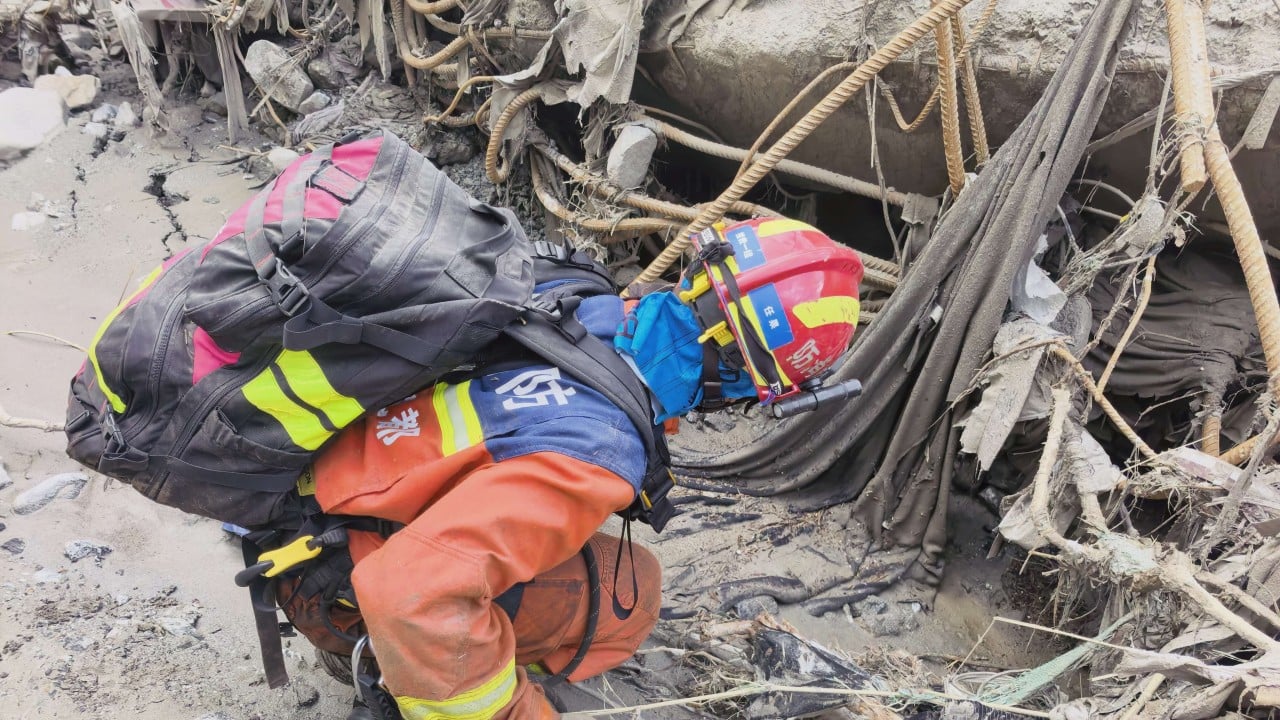
Rescuers do not wait for the weather to clear. They move through the relentless drizzle with shovels, bare hands, and an agonizingly desperate focus. Every cubic foot of rubble moved is a gamble against a shifting, unstable slope that threatens to slide again at any moment. Hours bleed into one another. The cold seeps through heavy jackets, numbing fingers until they can barely grip a metal spade.
Miracles, when they happen in places like this, are quiet.
They do not arrive with fanfare or flashing lights. They look like two survivors pulled from the suffocating embrace of the collapsed earth near the border crossing. Bruised, shivering, half-drowned in grit and shock, but breathing.
When those two souls were hauled into the open air, the frantic digging didn't turn into a celebration; it turned into a redoubled rhythm. Because behind every survivor pulled from the ruin lies the terrifying arithmetic of those still missing. The borderlands between China and Nepal are remote, jagged, and unforgiving. Communication lines snap. Bridges vanish into the brown froth. For hours, sometimes days, communities cut off from the outside world must rely entirely on the muscle and grit of local responders who know every fold of these dangerous canyons.
We read these headlines from a distance, scrolling past between sips of morning coffee. A casualty count. A line about two survivors pulled from the rubble. It sounds clinical. It sounds distant. But strip away the statistics and you find a mother wondering if her son made it across the pass before the slide, a rescue worker recognizing a neighbor's jacket in the mud, and the terrifying realization that the ground beneath our feet is only ever loaned to us for a little while.
The storms will return next year. The rivers will swell again against their concrete and stone cages. The mountains will continue their slow, grinding rise toward the sky, indifferent to the tiny lives clinging to their ankles.
Yet, as the last shovel clears the final slab of concrete and the medics wrap shivering bodies in thermal blankets, the dust settles just enough to reveal the truth. We are outmatched by the elements, time and time again. But we keep digging anyway.