The water did not arrive with a warning siren. It arrived like a thief in the dark, heavy with the weight of shattered earth and ancient stone.
At three in the morning, the village of Melamchi did not hear the flood. They heard the mountain groan. It is a distinct sound, a deep, tectonic tearing that vibrates straight through the soles of your feet before your ears can even process the panic. Granite boulders, freed by unseasonal monsoonal fury, broke loose from the high peaks of Tibet and cascaded down the gorge, turning the Bhote Koshi and its sister rivers into churning walls of grey concrete and mud.
By sunrise, the geography of human life had been rewritten.
Numbers on a screen are cold things. We read them with our morning coffee, scanning headlines that bleed into the background noise of the digital age. At least 1,500 people missing. A statistic. A placeholder for a tragedy that feels abstract when viewed from a safe distance across oceans and continents.
Yet numbers do not bleed. People do.
Picture a kitchen table in Sindhupalchowk. The chai is still warm in the cup. The radio crackles with weather reports warning of heavy downpours, a routine advisory in a region accustomed to the seasonal fury of the monsoon. A mother turns away from the window for a single second to check on a sleeping child.
In that fraction of a second, the river arrives.
There is no time to gather photographs, no time to look for birth certificates or inherited silver. There is only the frantic scramble for higher ground, the desperate grasp for a protruding root, and then the terrifying realization that the ground beneath you has dissolved into liquid chaos.
The Anatomy of a Forgotten Catastrophe
Disasters of this magnitude rarely happen in a vacuum. They are the brutal intersection of geography, climate volatility, and human vulnerability.
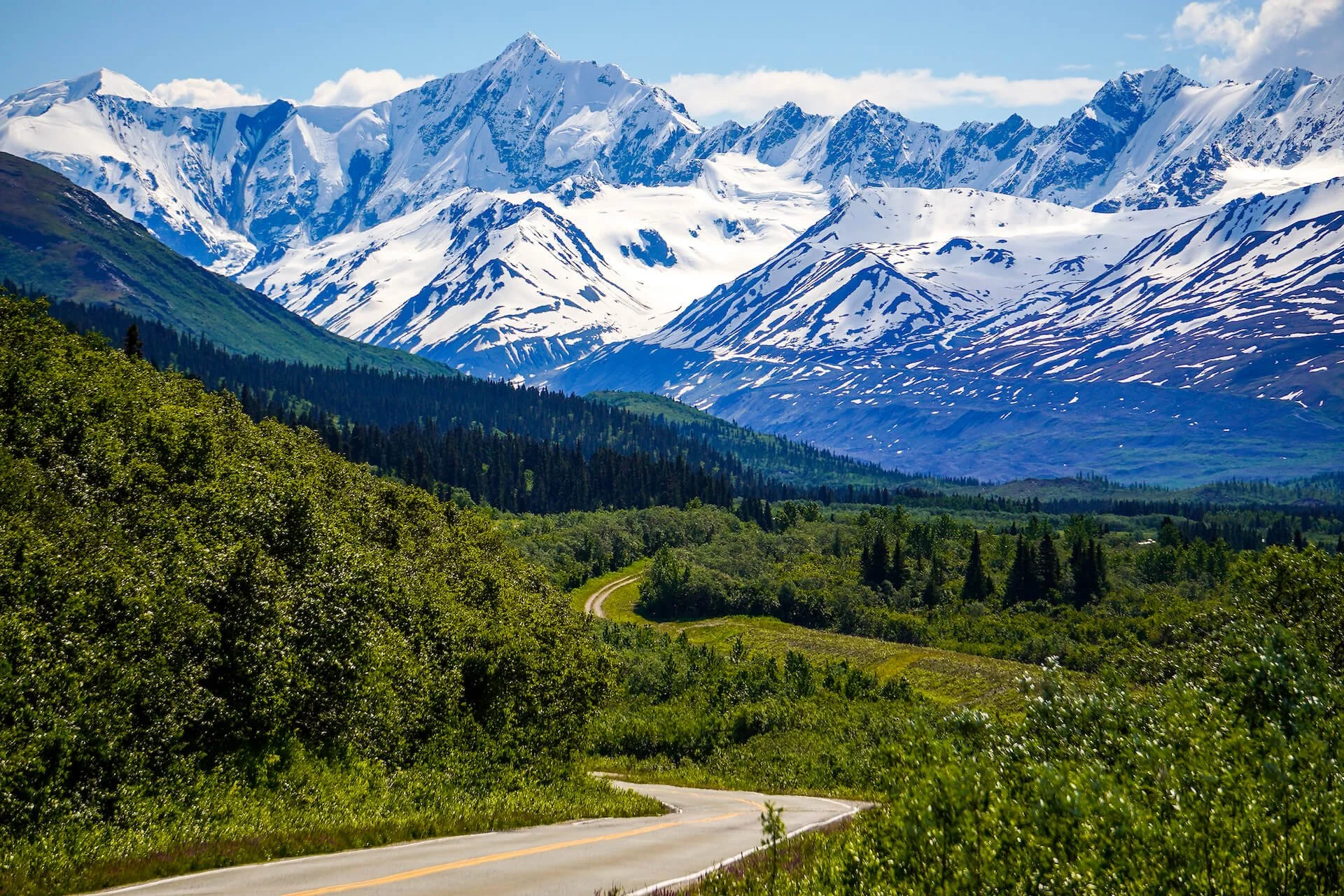
The Himalayas are among the youngest, most fragile mountains on Earth. They are still growing, pushed upward by the relentless grinding of tectonic plates, which means they are also constantly eroding. Every monsoon season tests the limits of this fragile stone. But recent years have introduced a terrifying new variable. High-altitude glacial lakes, swollen by rising global temperatures, are bursting their icy containment walls. This phenomenon, known as a glacial lake outburst flood, unleashes millions of cubic meters of water in a matter of minutes.
It acts like a liquid sledgehammer.
When these torrents cross international borders, tracking them becomes an administrative nightmare. The waters originate in the high Tibetan plateaus of China and cascade down into the river valleys of Nepal, catching downstream communities completely off guard. Early warning systems, often underfunded and fragmented across geopolitical lines, fail to sound the alarm fast enough.
By the time the surge reaches populated settlements, it is moving faster than a galloping horse. It carries trees the size of telephone poles and boulders the size of houses, stripping entire riverbanks down to bare bedrock.
Bridges snap like dry twigs. Roads that took decades to carve into sheer cliffs vanish into the brown foam. Whole communities are severed from the outside world, turning every single survivor into an island.
The Agony of the Silence
What happens after the crest passes?
We tend to focus on the immediate spectacle of destruction—the dramatic helicopter rescues, the aerial shots of chocolate-brown water swirling around half-submerged rooftops. But the true horror of a flood like this lingers long after the cameras pack up and leave.
It lives in the silence of the missing.
When someone dies in a disaster, grief has a shape. It has a grave, a ritual, a body to mourn. But when fifteen hundred human beings vanish into a shifting sea of mud and debris, grief becomes a ghost that refuses to rest.
Families walk the banks of the swollen rivers for weeks, searching for a scrap of fabric, a familiar ring, a shoe. Every piece of driftwood looks like a body. Every eddy in the water holds a heartbreaking, false promise. Mothers stare at empty doorways, waiting for footsteps that will never return, trapped in a cruel limbo where hope and despair wage a daily war.
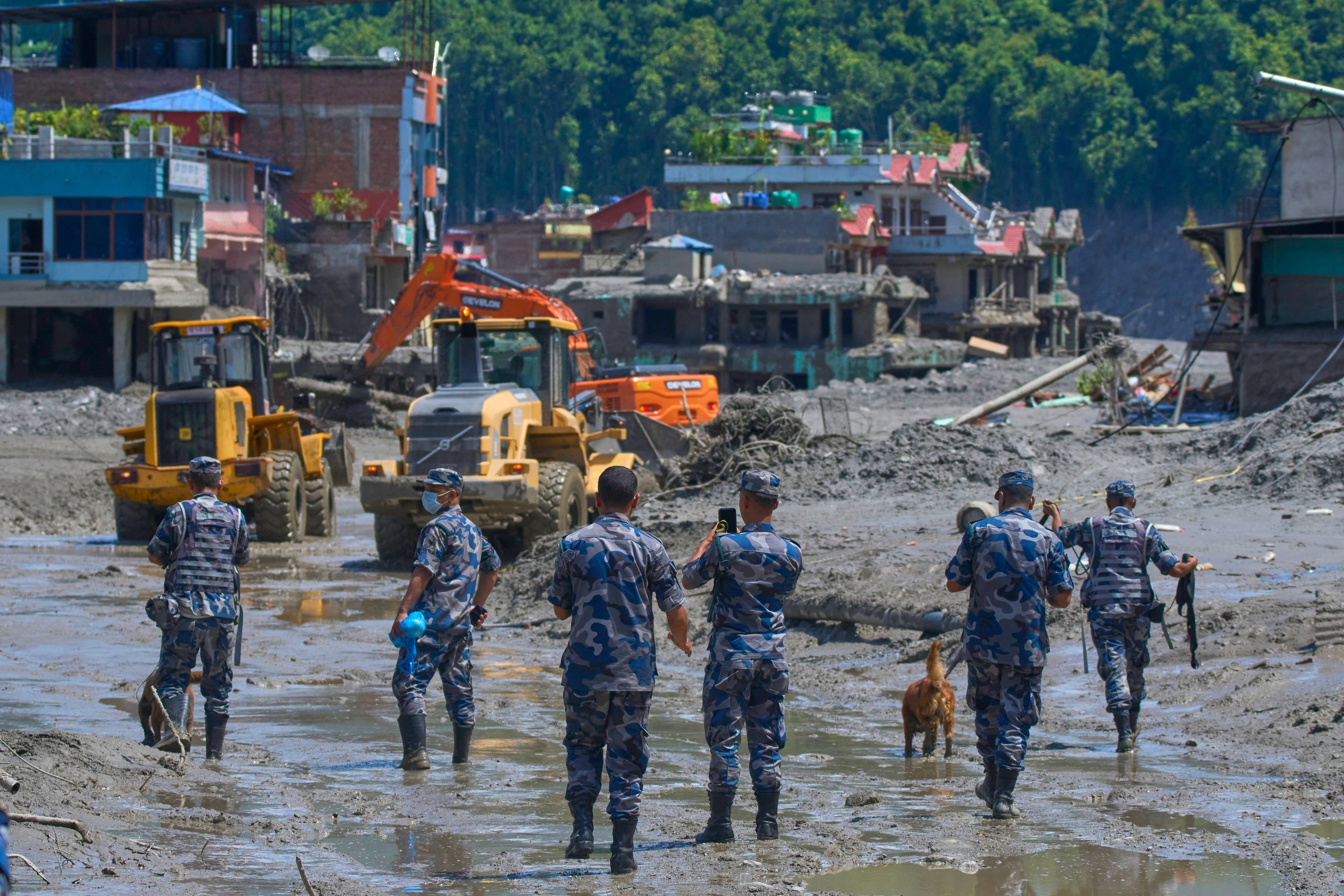
Local rescue workers, often operating with little more than bare hands and sheer determination, face impossible odds. Heavy machinery cannot reach the most remote valleys because the access roads are gone. Helicopters can only fly when the relentless cloud cover temporarily lifts. Every hour that passes dims the possibility of finding anyone alive, turning rescue operations into grim recovery efforts.
The Invisible Stakes
It is easy to look at the Nepal-Tibet floods as a distant tragedy, an isolated event happening in a remote pocket of the world. That is a dangerous illusion.
What is happening in the shadow of the Himalayas is a warning flare for the rest of the planet. As global weather patterns destabilize, the ancient rhythms that human civilizations have relied on for millennia are breaking down. The monsoon is no longer a predictable seasonal visitor; it has become an unpredictable weapon.
When mountain ecosystems collapse, they take downstream food security, water supplies, and regional stability with them. The displacement of thousands of families creates ripples that reach far beyond the immediate flood zone, fueling migration, economic collapse, and deep psychological trauma that will take generations to heal.
We ignore these warnings at our own peril.
The people of these mountain valleys did not cause the shifting climate, yet they are paying for it with their homes, their livelihoods, and their lives. Their struggle is our struggle. Their vulnerability is a mirror reflecting the fragility of human existence everywhere.
The river has receded now, leaving behind a thick crust of gray silt that cakes the valley floor like ash. The mountains stand silent against the sky, indifferent to the lives they altered in a single night.
Somewhere down there, beneath layers of earth and stone, a child's toy rests in the mud. The water is gone, but the absence remains, echoing quietly in the spaces where a community used to live.