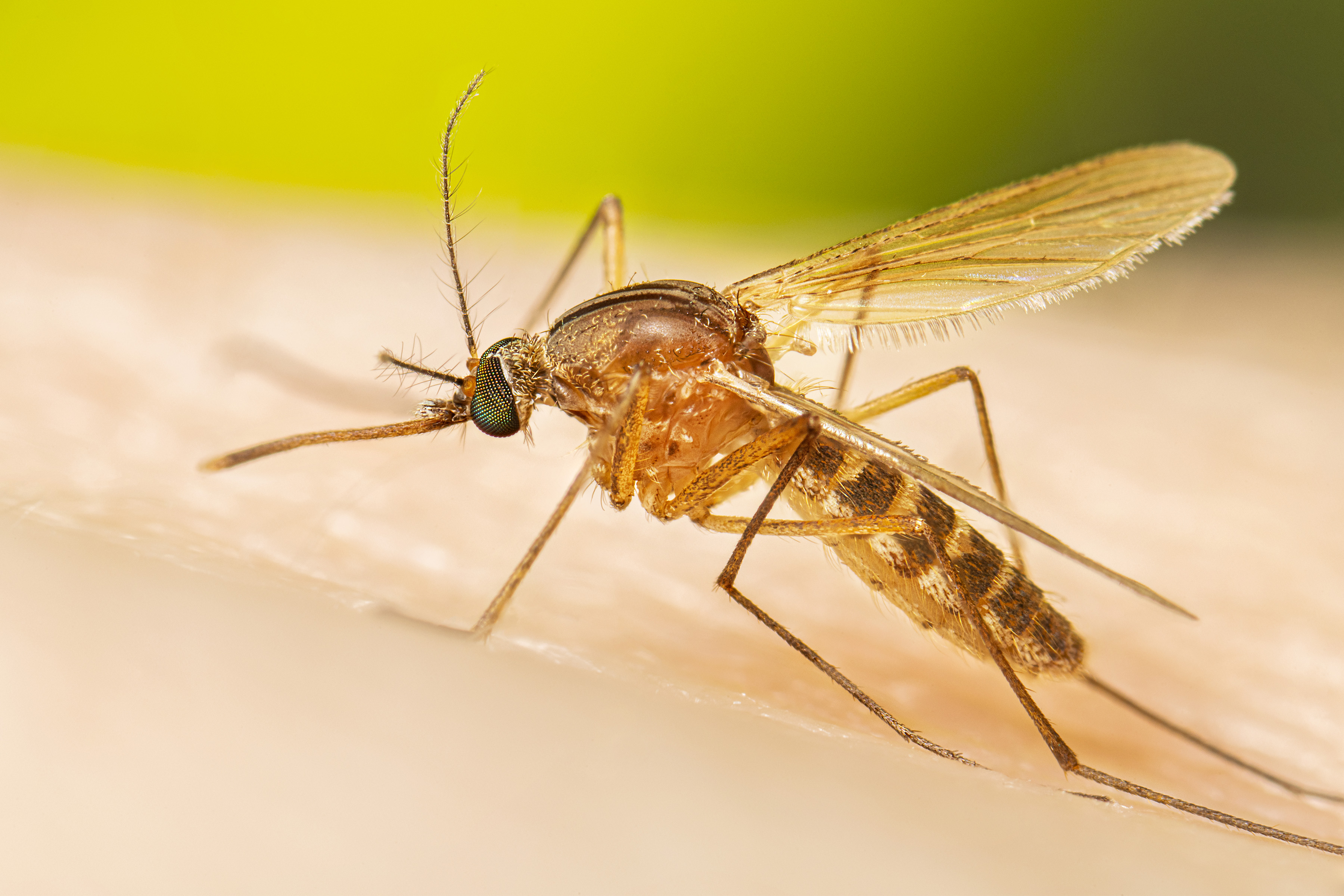
Urban vector management relies on understanding how climatic shifts and anthropogenic factors interact to drive mosquito population growth. In metropolitan regions like Los Angeles, rising summer temperatures combined with localized irrigation create optimal breeding conditions for invasive species such as Aedes aegypti. This analysis deconstructs the structural variables driving urban mosquito density, evaluates the failure modes of current mitigation frameworks, and outlines operational requirements for vector control.
The Vector Ecosystem and Urban Microclimates
Urban heat islands alter baseline environmental conditions, extending the operational window for disease vectors. Mosquito proliferation is governed by three primary variables: temperature-dependent development rates, surface water persistence, and host availability.
When ambient temperatures rise, metabolic rates in immature mosquitoes accelerate. Larval development times decrease from over a week to less than four days under peak summer conditions. This compression of the life cycle enables rapid population amplification following localized watering events.
Los Angeles presents a fragmented microclimatic landscape. Unlike agrarian regions with uniform irrigation, urban environments feature a patchwork of residential overwatering, poorly maintained infrastructure, and dense micro-water sources. Small containers, saucers, and subterranean utility vaults trap moisture, providing protected incubation chambers that bypass natural evaporation cycles.
Operational Failures in Municipal Abatement
Standard municipal abatement strategies frequently encounter systemic bottlenecks. Traditional surveillance relies heavily on carbon dioxide traps deployed at fixed municipal sites. While these provide macro-level trend data, they fail to capture hyper-local population spikes driven by residential behavior.
Property access limitations further constrain vector control efficacy. Aedes aegypti is a container-breeding species that thrives in private yards. Because municipal operators face legal and logistical barriers to entering private parcels without verified complaints, a significant proportion of primary breeding grounds remain untreated.
Furthermore, reliance on broad-spectrum adulticides yields diminishing returns over time. Chemical resistance among urban mosquito strains reduces knockdown rates, while misting programs often miss the shaded, low-lying resting spots where adult mosquitoes aggregate during high-heat daytime hours.
Strategic Interventions and Mechanical Control
Effective population suppression requires shifting from reactive chemical spraying to proactive mechanical disruption and source reduction.
Source Elimination Metrics
The primary constraint on mosquito density is water availability. Abatement efficiency correlates directly with the frequency of container emptying and structural sealing of subterranean access points. Public health programs achieve higher suppression ratios by distributing biological larvicides, such as Bacillus thuringiensis israelensis (Bti), for sustained deployment in private catch basins rather than relying exclusively on adult mosquito knockdown.
Integrated Neighborhood Surveillance
Decentralized monitoring models outperform centralized trap networks. By deploying smart ovitraps that measure egg deposition rates at the block level, vector control teams can map micro-hotspots in real time. This spatial targeting allows resource allocation to align directly with localized epidemiological risk.
Resource deployment must prioritize high-density residential corridors where structural infrastructure maximizes microclimate humidity and shade. Future urban planning models must integrate permanent drainage engineering into multi-family housing developments to eliminate chronic subterranean pooling before vector populations establish generational persistence.