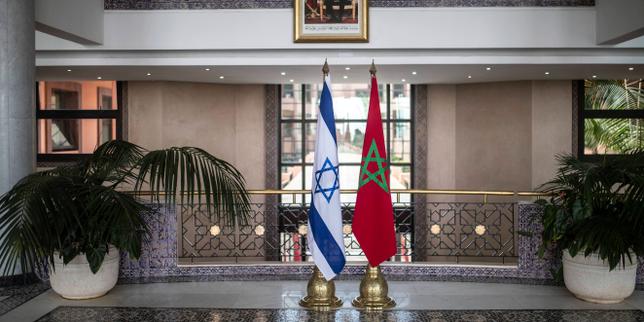
Diplomatic breakthroughs rarely happen in a vacuum. When Rabat and Tel Aviv announced plans to establish full diplomatic missions through joint embassy openings, headlines celebrated a historic pivot in North African geopolitics. You heard about the Abraham Accords and the promise of regional integration. You didn't hear enough about the fierce domestic friction bubbling beneath the surface in Morocco.
Treating this normalization agreement as a simple handshake ignores the deep ideological split dividing the kingdom. Realpolitik in palaces doesn't always match the sentiment on the street.
The Reality Behind the Diplomatic Milestone
Let's cut through the official press releases. Back in late 2020, Morocco agreed to normalize ties with Israel under a tripartite deal that also secured United States recognition of Moroccan sovereignty over the disputed Western Sahara territory. For Rabat, securing that American backing for its Sahara stance was the ultimate geopolitical prize. Everything else flowed from that single strategic calculation.
Opening embassies was the logical next bureaucratic step. Yet, when discussions turned to physical diplomatic compounds and joint delegations, the optics hit a massive wall of public skepticism. You have a government trying to balance high-stakes international alliances with a population that historically views the Palestinian cause as a domestic moral imperative.
Diplomats call it strategic alignment. Ordinary citizens on the streets of Casablanca and Rabat often call it a betrayal.
Why the Domestic Pushback Matters
You can't understand modern Morocco without looking at the powerful grassroots solidarity with Palestine. Pro-Palestinian sentiment isn't a fringe movement here; it spans ideological divides from leftist political parties to conservative Islamist groups.
When the state deepens ties with Israel, it triggers immediate domestic blowback. Activists, human rights groups, and local syndicates have repeatedly organized protests, condemning the normalization process despite government assurances that Moroccan support for Palestinian statehood remains unchanged.
The government finds itself walking a tightrope. On one side, economic partnerships with Israel covering agriculture, water technology, cyber security, and defense open up lucrative avenues for modernization. On the other side, officials face constant accusations of selling out core principles for geopolitical leverage.
The Western Sahara Factor
You cannot separate the embassy announcements from the Western Sahara dispute. For decades, Morocco fought an uphill diplomatic battle to win international recognition for its autonomy plan in the region.
The deal with Washington changed the game. Trading normalization with Israel for American recognition of Sahara sovereignty was a calculated risk by the royal palace. Officials reasoned that state interests must override regional solidarity.
Critics inside the kingdom argue that mortgaging a historic stance on Palestine for territorial recognition sets a dangerous precedent. They point out that public opinion matters, even in a constitutional monarchy where foreign policy remains firmly under royal prerogative.
What the Coverage Misses
Most international commentary treats North African diplomacy like a chess board where pieces move without feeling. That's a mistake.
When you talk to journalists and political analysts in Rabat, a different picture emerges. The friction isn't just about foreign policy flags flying over new embassy buildings. It's about a growing disconnect between state-level pragmatism and popular identity.
Civil society groups have formed anti-normalization networks, issuing statements and staging rallies that defy attempts to sweep the controversy under the rug. These groups aren't going away. They monitor every trade deal, every flight between Tel Aviv and Marrakech, and every ministerial visit with a microscope.
Looking at the Broader Regional Ripple Effects
The normalization wave across the Middle East and North Africa has fundamentally altered regional dynamics, but it hasn't unified public opinion. While economic cooperation yields quick technological and commercial wins, the social cost of bypassing the Palestinian issue remains high.
Rabat's diplomatic gamble proves that high-level statecraft can outrun public consensus only for so long. As embassies expand their footprints and staff exchange visits, the real test won't happen in corporate boardrooms or ministry offices. It will happen on the ground, where the gap between elite ambitions and popular conscience continues to define the national conversation.
Pay attention to how local civil society groups adapt their strategies. The tension between diplomatic pragmatism and moral solidarity in North Africa is shaping a new political reality.