The screen glows. It is 3:00 AM, and the room is pitch black except for the harsh, blue light reflecting off a face that has spent the last eight hours exposed to thousands of strangers. For a top-tier Twitch streamer, this is the workplace. It looks comfortable. It looks like easy money. But if you look closer, past the high-end microphone and the vibrant RGB lighting, you see the exhaustion etched into the eyes. You see a human being trapped in a digital panopticon, where every blink, every sigh, and every momentary lapse in composure is ammunition.
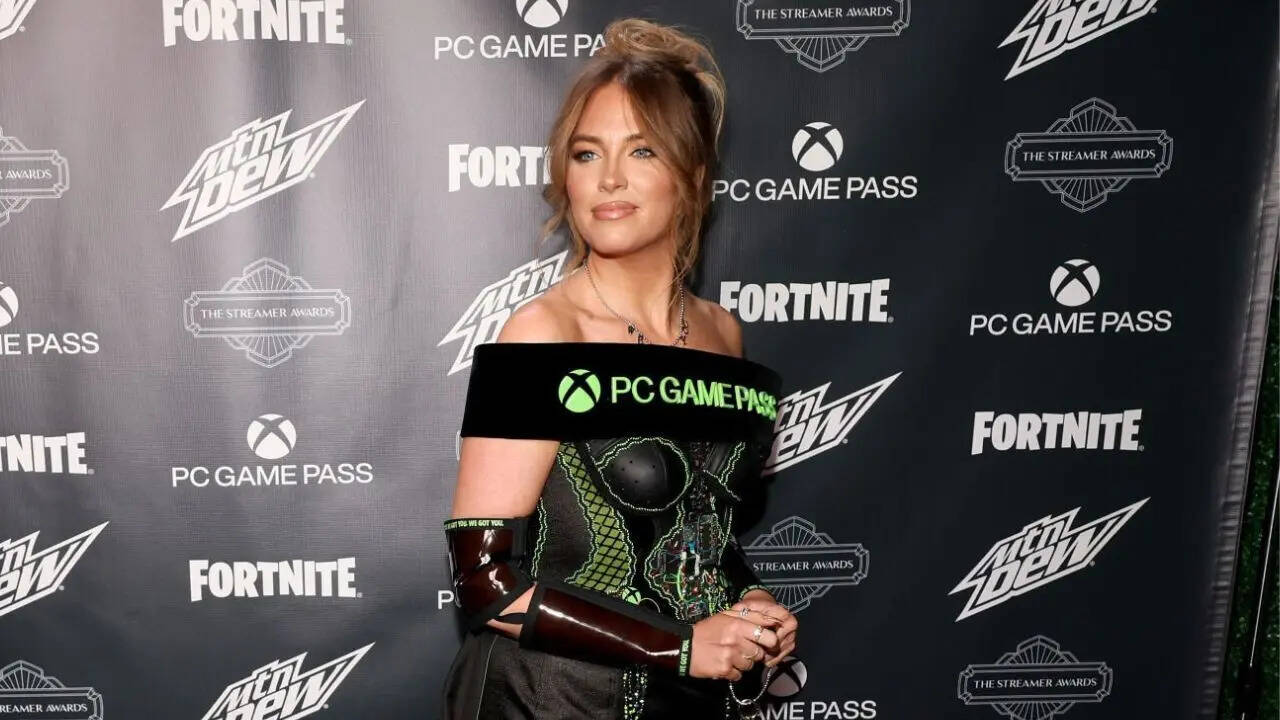
Blaire, known to millions online as QTCinderella, lived this reality until the walls started closing in. She took a break. She stepped away from the relentless meat grinder of live broadcasting to heal, to breathe, to remember what life felt like when it wasn't being quantified by live viewer counts and chat velocity.
Then she came back.
Her return stream was supposed to be a moment of reconnection, a celebration. Instead, it became a masterclass in modern digital cruelty. Within hours, the vultures had descended, slicing her raw emotional vulnerability into ten-second fragments, stripping away the context, and feeding it to an algorithm hungry for outrage.
This is the economy of "hate farming." It is a multi-million-dollar industry built on the deliberate destruction of human well-being, and it is happening in plain sight.
The Anatomy of a Digital Carjacking
To understand why this matters, we have to look past the surface level of internet drama. This is not about hurt feelings. It is about a structural flaw in the architecture of modern social media platforms that rewards the weaponization of human misery.
Imagine a brick-and-mortar storefront. Now imagine a group of people standing outside that storefront with megaphones, shouting edited, distorted recordings of the shopkeeper's most vulnerable moments to passersby, solely to draw a crowd and sell ad space on their own t-shirts. In the physical world, we call this harassment. We call it defamation. We call the police.
In the digital world, we call it content creation.
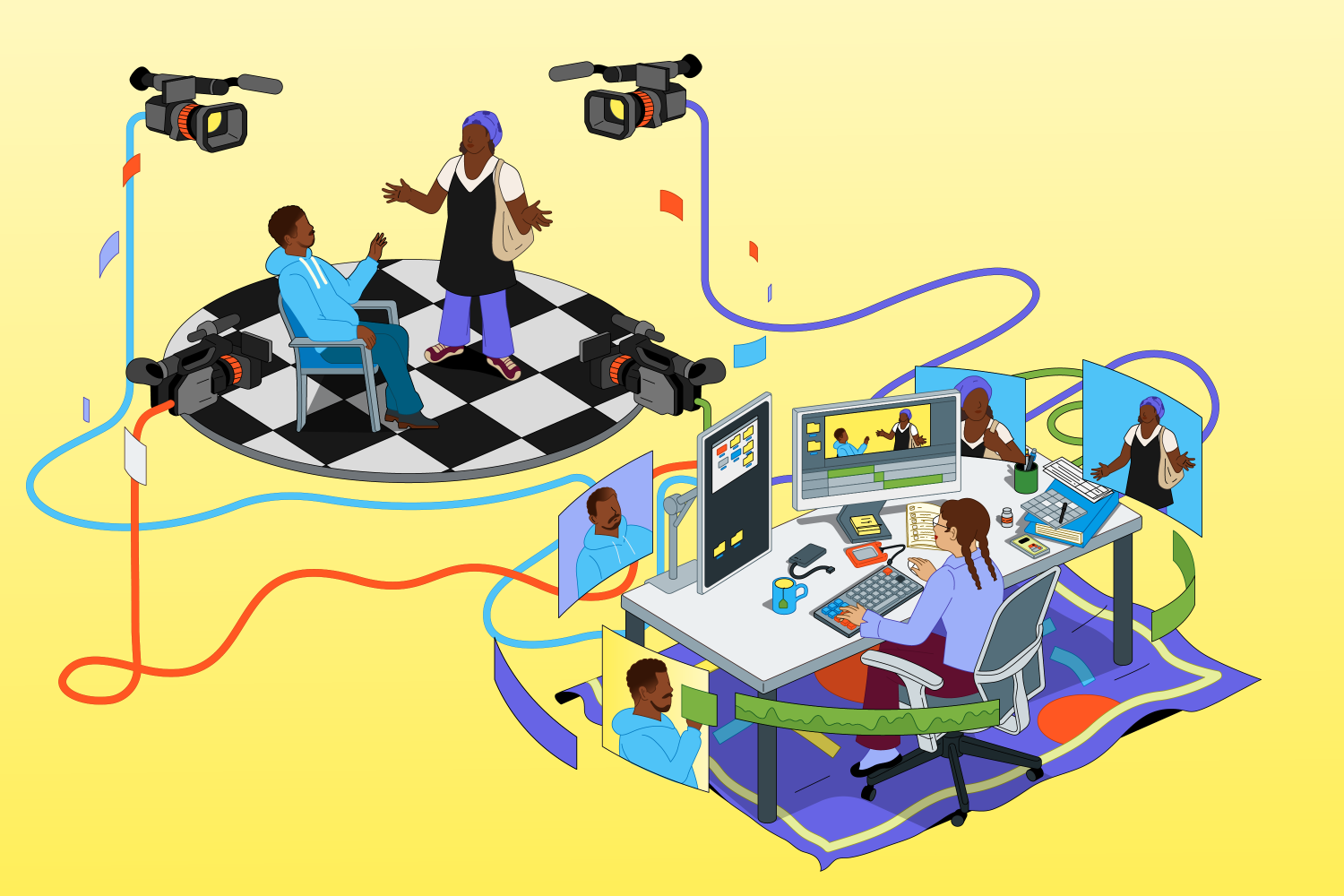
Short-form clip accounts on platforms like TikTok, X, and YouTube Shorts have mastered a dark science. They do not watch a stream to enjoy it. They watch it like vultures circling a dying animal, waiting for a stumble. When QTCinderella expressed genuine, tearful emotion during her return, these accounts did not see a person processing pain. They saw a payout.
They clipped the crying. They stripped out the explanation. They added a provocative, misleading caption designed to trigger immediate anger or mockery, and they hit upload.
The algorithm did the rest.
The Invisible Math of the Outrage Engine
Social media algorithms are indifferent to truth, morality, or human suffering. They are optimized for a single metric: engagement.
Consider how the math works. A video that makes a user feel calm or informed might get a like and a scroll. A video that makes a user feel intense anger, disgust, or superiority triggers a cascade of activity. People comment to defend the creator. Others comment to attack them. Arguments break out in the replies. The platform sees this explosion of activity and flags the video as highly valuable. It pushes it to thousands more feeds.
For the owner of the clip account, this viral explosion translates directly into dollars. TikTok’s Creator Rewards Program and X’s ad-revenue sharing mean that anger is highly monetizable. Every view of a creator's pain puts fractions of a cent into the pocket of an anonymous aggregator.
It is a parasitic ecosystem. The streamer creates the content, builds the audience, and bears the emotional cost. The clip account steals the footage, distorts the narrative, and collects the check.
When QTCinderella spoke out after her return, her voice carried the weight of an entire industry's suppressed trauma. She made it clear that she was done playing the victim in someone else's monetization scheme. She threatened legal action, targeting the specific accounts that traffic in this deliberate distortion.
It was a line in the sand. But drawing that line is terrifyingly difficult when the law is built for a pre-algorithmic world.
The Legal Mirage of the Internet
When a public figure decides to fight back against digital harassment, they immediately run into a wall of legal obsolescence. The framework designed to protect people from defamation and copyright infringement was forged in the era of television and print. It moves at the speed of bureaucracy, while the internet moves at the speed of light.
If a clip account uses a streamer’s copyrighted broadcast, the streamer can issue a takedown notice. But the process is a game of whack-a-mole.
"You strike down one account, and three more appear in its place, registered under pseudonyms, operating from different jurisdictions, utilizing the exact same stolen footage."
Defamation laws require proving a reckless disregard for the truth and quantifiable financial harm. When an account frames a clip to make a streamer look unstable or malicious, they often cloak themselves in the defense of "commentary" or "transformative use." They exploit the gray areas of internet law to shield themselves from accountability while continuing to farm the hate that funds their existence.
The toll of this legal impotence is not financial; it is psychological. Creators are forced into a state of hyper-vigilance. They must police their own faces, their own voices, their own spontaneous thoughts, knowing that any deviation from a perfectly manicured persona will be weaponized against them. They are denied the right to be human.
The Mirror of the Audience
It is easy to blame the anonymous owners of these clip accounts. They are the visible villains of this story. But a parasite cannot survive without a host. The real fuel of the hate farming industry is the audience that consumes it.
We have developed a collective desensitization to the people on our screens. Because we see them through a glass pane, formatted into neat little vertical video rectangles, we treat them as fictional characters rather than living, breathing entities. We convince ourselves that their wealth or their fame makes them immune to the poison we feed them.
But the nervous system does not care about your bank account.
When thousands of people are screaming at you simultaneously, demanding your psychological destruction for the crime of being vulnerable, the brain processes it as a mortal threat. The stress hormones are real. The isolation is real. The terror is real.
QTCinderella’s stand is a desperate attempt to break this cycle. It is a demand for a fundamental reassessment of the contract between creator and consumer. She is forcing us to look into the mirror and ask what we are willing to tolerate for the sake of entertainment.
The screen stays on, but the dynamic has shifted. The silence that follows a creator's threat of legal action isn't a sign of peace; it is the tense, breathless quiet that precedes a storm. The battle lines are no longer drawn between rival creators or competing platforms. The war is now between those who believe human beings are raw material to be mined for clicks, and those who are fighting, with everything they have left, to retain their humanity in a digital world designed to strip it away.