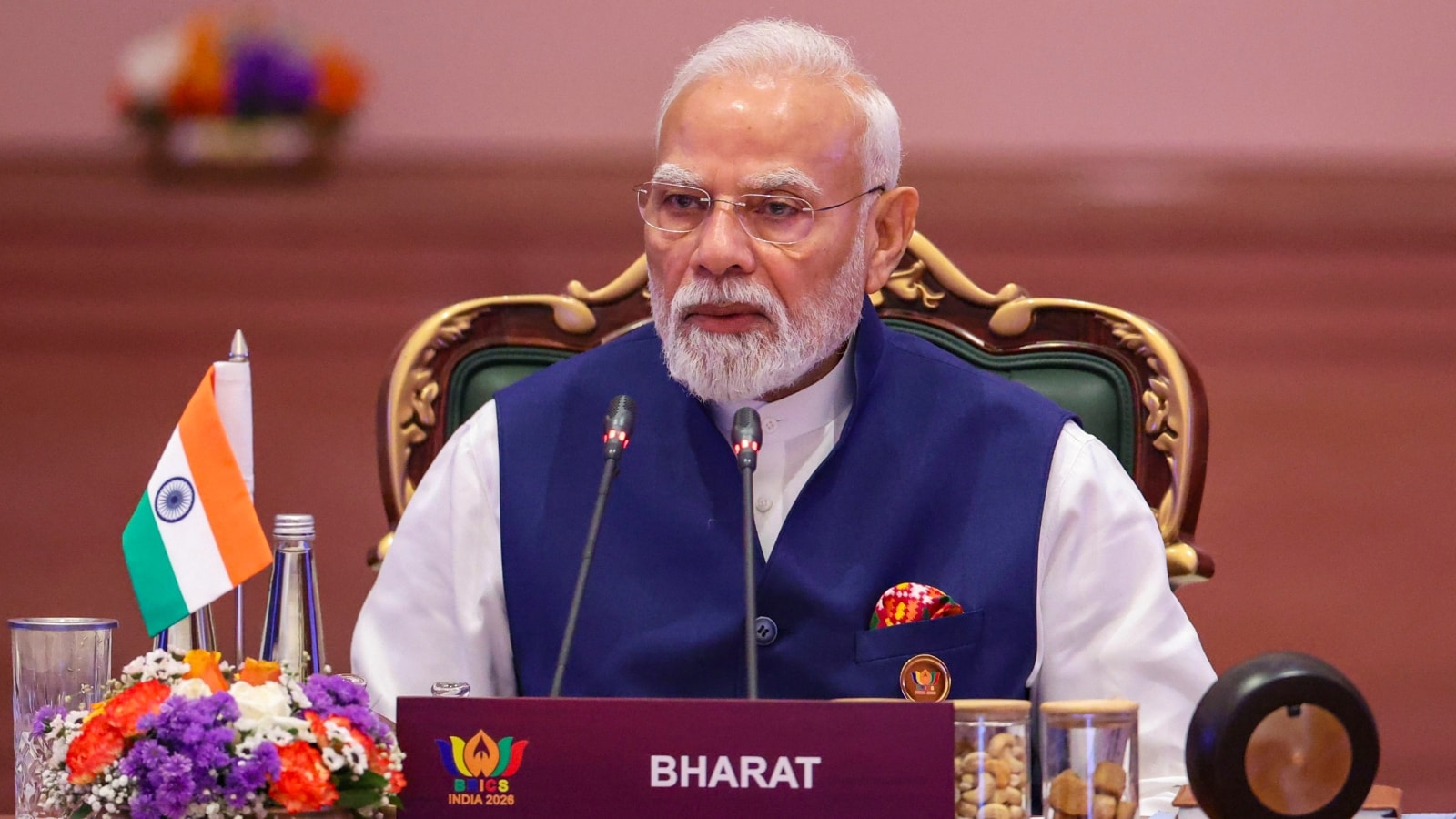
Every diplomatic correspondent in Delhi and Washington is currently hyperventilating over a seating chart. The lazy consensus in foreign policy circles reads like a predictable script: Prime Minister Narendra Modi might grace the upcoming US G20 summit, and therefore, a monumental bilateral trade breakthrough or a masterclass in dodging Russian sanctions is imminent.
It is a narrative built entirely on geopolitical theater. It mistakes handshakes for structural reform and photo-ops for economic integration.
I have watched trade negotiators circle each other for a decade, burning through millions in legal and consulting fees while corporate boards mistake diplomatic pleasantries for market access. The truth nobody in the media room wants to admit is that Modi attending a summit in America will not break the systemic paralysis choking India-US economic ties. In fact, obsessing over these high-level summits actively distracts from the quiet, grinding friction holding both nations back.
The Trade Deal Delusion
Let us dismantle the core myth: that a comprehensive bilateral trade agreement between India and the United States is just one high-level conversation away.
For years, pundits have pointed to impending summits as the moment trade barriers finally tumble. They ignore the foundational structural mismatch. Washington wants strict intellectual property protections, agricultural market access for its massive agribusiness lobby, and data localization rollbacks. New Delhi, scarred by decades of historical protectionism and domestic political imperatives regarding hundreds of millions of small farmers, views these demands as an assault on national sovereignty.
Neither side's domestic constituency permits compromise. When Modi sits across from American leadership, they do not sign breakthrough pacts; they issue vague communiqués about unlocking mutual potential while keeping the actual tariff walls firmly intact.
Pretending that a G20 summit creates the political capital to override domestic protectionism is a fairy tale told by analysts who have never had to clear customs for a container of specialized electronics or negotiate agricultural import quotas in Krishi Bhawan. The structural hurdles are not solved by dinner menus in Washington or New York. They require painful domestic deregulation that neither administration has the stomach to execute.
The Sanctions Fiction and Strategic Autonomy
Then there is the persistent anxiety over Russia sanctions. Western commentators love to frame India's energy diplomacy as a high-wire balancing act, a diplomatic thriller where Modi walks a tightrope between Moscow and Washington.
This is cinematic nonsense.
India is not walking a tightrope. India is executing a cold, rational, and entirely predictable policy of national interest. When the West cut off Russian crude, New Delhi bought it at a steep discount, refined it, and sold the petroleum products back to global markets. It was brilliant arbitrage, and it infuriated Washington technocrats who demand moral alignment over economic survival.
Yet, Western policymakers understand a fundamental reality that media pundits miss: they cannot isolate the world's fifth-largest economy over a regional war. India's strategic autonomy is not a delicate flower that will wilt under US pressure at a summit; it is a brick wall. Modi does not need to charm American leadership into granting exemptions for Russian oil or defense hardware. India's market size and geopolitical gravity do the talking long before Air India One touches down on tarmac.
Imagining a scenario where US leadership forces India to choose between the West and its traditional defense and energy ties with Moscow ignores sixty years of diplomatic history. India learned the hard way during the Cold War that non-alignment is the only survival strategy. No amount of summit diplomacy will alter that DNA.
What Washington and New Delhi Are Actually Fighting Over
If you strip away the pomp, the actual friction points are mundane and intensely bureaucratic. They are about data flows, medical device price controls, tech transfer demands, and green energy subsidies.
American tech giants want unrestricted access to Indian consumer data without setting up localized server fortresses. Indian regulators counter with data sovereignty laws designed to foster domestic champions. American medical device manufacturers complain about brutal price caps that squeeze their margins. Indian policymakers respond that life-saving stents cannot be priced like luxury goods for a billion people.
These are not issues resolved by leaders whispering in a green room. They are ground down in grueling, multi-year sectoral negotiations led by mid-level trade bureaucrats who care nothing for summit photo-ops.
When a trade deal finally happens—if it ever does—it will not arrive via a dramatic presidential decree at a multilateral summit. It will crawl out of an obscure bureaucratic committee room after a compromise on medical device margins or dairy tariffs that makes neither side happy.
The Real Agenda
Modi will likely go to the summit. He will shake hands, nod at joint statements on critical minerals, and smile for the cameras. Analysts will dissect his body language for signs of cooling or warming relations.
Ignore the theater.
The real economic story of the decade is happening independently of high-level summits. It is driven by supply chain diversification, the quiet migration of Apple manufacturing lines to Tamil Nadu, and the relentless rise of Indian IT and engineering service powerhouses. Companies are shifting operations not because of a G20 communique, but because the cost of single-sourcing from manufacturing hubs has become an existential risk.
Stop waiting for the summit to save globalization. The deal is already happening on the factory floor, despite the politicians, not because of them.