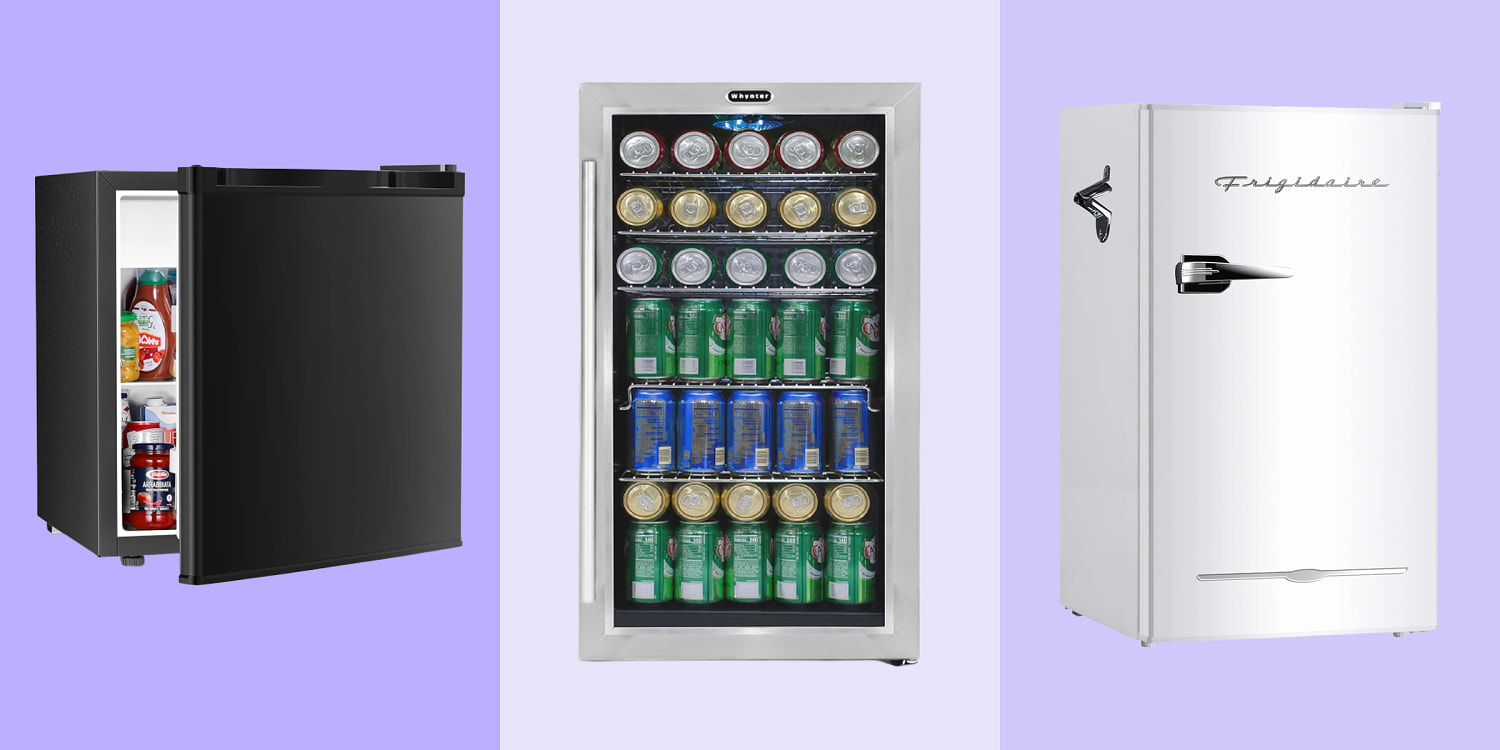
Selecting a personal refrigeration unit requires evaluating thermal physics rather than aesthetic appeal. When buyers look for a mini fridge to store beverages, cosmetics, or specialized perishables, they frequently encounter marketing claims that obscure core engineering realities. Cooling performance depends on two distinct thermodynamic systems: thermoelectric cooling and vapor-compression refrigeration. Each system operates under different constraints regarding energy consumption, ambient temperature thresholds, noise output, and lifespan.
Understanding these variables transforms the purchasing process from a guessing game into a straightforward calculation of spatial utility, load capacity, and operational environment.
The Dual Architecture of Small Scale Cooling
Small refrigeration units rely on fundamentally different methods to remove heat from an insulated cavity. The chosen mechanism dictates how the appliance performs under varying thermal loads and environmental conditions.
Thermoelectric Systems
Thermoelectric units use the Peltier effect. Passing an electrical current through the junction of two different conductors creates a temperature gradient, drawing heat from the interior cabinet and dissipating it via an external heatsink and fan.
- No Moving Refrigerants: The absence of compressors or liquid refrigerants makes these units entirely silent except for the low decibel hum of a small DC fan.
- Orientation Flexibility: Because no liquid compressor oil needs to settle, thermoelectric units function effectively at unconventional angles or inside mobile environments like vehicles.
- The Delta T Constraint: Thermoelectric coolers lower internal temperature relative to the ambient room temperature rather than hitting a fixed absolute value. A typical unit achieves a temperature drop of $18^\circ C$ to $22^\circ C$ below ambient conditions. If a room sits at $26^\circ C$, the interior will struggle to drop below $4^\circ C$, rendering these units inadequate for raw dairy or long-term food preservation during peak summer heat.
Compressor Systems
Vapor-compression units mirror standard kitchen refrigerators scaled down to a fraction of the volume. They use a closed-loop circuit containing a refrigerant gas, a compressor, a condenser, and an evaporator.
- Absolute Temperature Control: Compressors establish precise, thermostatically regulated internal environments, often dropping to $1^\circ C$ or lower regardless of ambient external spikes.
- Higher Energy Density: While cycle-based power draws spikes when the motor kicks on, the overall energy efficiency per unit of heat removed outperforms thermoelectric modules over extended operational cycles.
- Mechanical Footprint: The inclusion of a compressor motor introduces mechanical vibration and audible noise cycles, making these units less optimal for bedside placement or quiet office environments.
Application Specific Thermal Requirements
Different contents impose distinct demands on internal climate stability. Treating a beverage cooler and a skincare storage unit as interchangeable appliances leads to accelerated product degradation or mechanical burnout.
Beverage Storage Mechanics
Beverages require rapid initial chilling and sufficient internal volume to maintain airflow around cans or bottles. When a consumer loads warm beverages into a fully packed thermoelectric mini fridge, the lack of forced internal air circulation creates thermal stratification. Warm spots linger near the center of the stack because the cooling elements line only the back wall or side panels.
- Capacity Optimization: Stacking cans wall-to-wall chokes convective air currents. True cooling capacity requires leaving at least fifteen percent of internal volume uninhibited to permit air movement.
- Door Gasket Integrity: Small units frequently use magnetic strips with minimal clamping force. A degraded seal allows ambient humidity to infiltrate, leading to rapid frost accumulation on the evaporator plate or excessive condensation pooling at the base of the cabinet.
Skincare Preservation Parameters
Cosmetics, organic serums, and anhydrous formulations react poorly to fluctuating thermal cycles and direct ultraviolet exposure. Many consumers assume colder is universally better for skincare, introducing a common failure mode.
- Phase Separation Risks: Certain emulsions, oil-based serums, and luxury creams undergo chemical phase separation when subjected to temperatures approaching freezing. If a thermoelectric unit sits in a cold room during winter, the ambient drop can drive the internal temperature below safe thresholds, ruining expensive formulations.
- Anhydrous Stability: Water-free products require stable room temperature storage rather than refrigeration. Storing them in a chilling unit introduces unnecessary thermal stress every time the door opens, causing micro-condensation to form inside dropper bottles and introducing microbial vectors.
- Dedicated Redoubts: Specialized cosmetic mini fridges often incorporate internal LED lighting. High-output diodes generate localized radiant heat, fighting directly against the cooling mechanism and forcing the Peltier junction to work harder, accelerating component wear.
Quantifying Efficiency and Spatial Economics
Evaluating the financial and operational cost of a mini fridge extends past the sticker price. Total cost of ownership factors in continuous electrical draw, spatial displacement, and expected operational lifespan.
Power Consumption Profiles
Thermoelectric units draw a continuous current, typically ranging from forty to sixty watts while running. Because they lack an off-cycle thermostat that cuts power completely, they consume electricity constantly as long as they remain plugged in.
Compressor units operate on an intermittent duty cycle. While they draw a higher instantaneous surge current upon startup (often reaching eighty to one hundred watts momentarily), the compressor rests for significant portions of the hour once the target temperature is achieved. Over a multi-year timeline, a compressor unit often proves more cost-effective in electrical expenditure per degree of cooling delivered.
Spatial Footprint versus Internal Usability
Nominal volume measurements provided by manufacturers rarely reflect usable storage space. Internal dimensions are compromised by structural bulkheads, protruding hinges, and cooling fins.
- The Shape Factor: A standard six-liter cosmetic fridge accommodates roughly eight standard 12-ounce beverage cans if interior plastic shelving is removed. However, square or cylindrical bottles fit poorly due to curved cabinet corners.
- Ventilation Clearance: Operating any mini fridge inside a tight enclosure or cabinet strangles heat dissipation. Both thermoelectric heatsinks and compressor coils require a minimum clearance of two to three inches on all sides to exhaust thermal energy. Without this buffer, internal temperatures drift upward, triggering continuous runtime and premature motor or diode failure.
Operational Deployment Protocol
Establish the functional requirements before purchasing any personal cooling unit by mapping the intended contents against environmental realities.
- Audit the Ambient Environment: Measure the baseline temperature of the room where the appliance will sit. If ambient temperatures exceed $27^\circ C$ regularly, eliminate thermoelectric options to prevent cooling failure.
- Match the Thermal Target: Define the exact temperature range required. Perishable food and dairy demand strict sub-$4^\circ C$ control, necessitating a compressor. Stable cool storage for craft beverages or shelf-stable items tolerates thermoelectric variance.
- Calculate Ventilation Margins: Verify that the installation site provides adequate perimeter clearance for continuous thermal exhaust. Confined placement guarantees efficiency loss and shortened hardware lifespans.
- Monitor Internal Humidity: Inspect the interior cabinet weekly for pooling condensation. Wipe moisture accumulation immediately to prevent electrical shorting at the base wiring harnesses and to inhibit mold growth along rubber door gaskets.