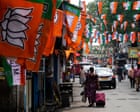
Imagine walking to your local polling station, voter ID in hand, only to be told you don't exist. Not to the state, anyway. For over 9 million people in West Bengal, this isn't a bad dream; it's the reality of the 2026 state elections. The Election Commission of India (ECI) calls it a "Special Intensive Revision." Critics call it something much darker.
The scale is staggering. We aren't talking about a few clerical errors here and there. We're looking at a 12% reduction in the total electorate of West Bengal alone. Across the country, the numbers are even more jarring. In Uttar Pradesh, more than 20 million names have been slashed from the lists. The government says they’re cleaning up "ghost voters" and "infiltrators." But when you look at who is actually getting the boot, a messy pattern starts to emerge.
The machinery behind the missing names
The ECI hasn't just been using old-school door-to-door checks. This time, they’ve leaned heavily on an AI-assisted algorithm designed to flag "logical discrepancies." Sounds high-tech, right? Well, it’s basically a digital axe. In places like Murshidabad and Malda, the algorithm has been flagging names for minor spelling variations that are incredibly common in Bengali culture.
If your name is spelled one way on your ration card and slightly differently on your electricity bill, the system might flag you as a "duplicate." In a country where phonetic translations from regional scripts to English are notoriously inconsistent, this is a recipe for disaster. I’ve seen reports of people like Jaber Ali, a 36-year-old official who was actually helping with the revision, finding his own name deleted. If the guy doing the paperwork can't stay on the list, what hope does a seasonal migrant worker have?
Why this isn't just a routine cleanup
The timing is what really stinks. These deletions aren't happening in a vacuum. They’re hitting right before critical state elections in West Bengal and Tamil Nadu—states where the ruling BJP has historically struggled to gain a foothold. By "purifying" the rolls, the government is effectively reshaping the electorate.
Most of the deleted names belong to:
- Religious minorities (specifically Muslims)
- Socially deprived and poorer sections of society
- Migrant workers who aren't home when the Booth Level Officers (BLOs) knock
The ECI claims they gave people 60 days to appeal. But let’s be real. If you’re a daily wage laborer or someone living in a remote village, how are you supposed to navigate a complex legal adjudication process on a whim? By the time the final lists were published in April 2026, the window for appeal had already slammed shut for millions.
The algorithm vs the citizen
The use of software to "clean" democracy sounds like something out of a sci-fi novel, but the human cost is very real. Former Election Commissioner S.Y. Quraishi hasn't held back, calling the process unnecessary and designed to harass. He’s right. When you use an algorithm that doesn't understand cultural naming conventions, you aren't just deleting data points; you're deleting rights.
In West Bengal, the trust deficit between the state government and the central Election Commission has reached a breaking point. The Supreme Court even had to step in, involving judicial officers to oversee the process because the stalemate was so bad. But even with judicial eyes on the problem, the sheer volume of deletions—8.3 million in Bengal alone—suggests the "cleanup" was more of a purge.
What happens when the referee takes a side
For decades, the ECI was seen as one of the few truly independent "referee" institutions in India. That reputation is currently in the shredder. Between changes in how commissioners are appointed and this aggressive "Special Intensive Revision" (SIR), the neutrality of the commission is under heavy fire.
The government’s rhetoric doesn't help. Using terms like "infiltrators" to justify removing voters turns a bureaucratic process into a political weapon. It frames the act of voting not as a right, but as a privilege that can be revoked if your paperwork isn't perfect.
How to check if you’re still on the list
If you’re in a state that hasn't gone to the polls yet, don't wait for election day to find out if you've been "purified."
- Visit the National Voters' Service Portal (NVSP) immediately.
- Use the "Search in Electoral Roll" feature.
- Don't just search by name; use your EPIC number (Voter ID number).
- If your name is missing, look for Form 6 to re-register, though you might be too late for the current cycle if the final rolls are already out.
This isn't just about West Bengal or Uttar Pradesh. The next phase of this revision is slated to cover 17 more states and five Union Territories. If you think your vote is safe just because you've voted in the last ten elections, think again. The algorithm doesn't care about your history; it only cares about your data.
Stop assuming the system works for you. Check your status, keep your documents ready, and make sure your neighbors are doing the same. Democracy only works if the people actually get to show up.