A commercial oil tanker gets blown open by precision missile fire in the Gulf of Oman, and suddenly twenty-four ordinary families in India are staring at a living nightmare.
On June 10, 2026, the Palau-flagged M/T Settebello became the latest casualty of a chaotic geopolitical standoff. A U.S. military aircraft targeted the vessel's engine room after alleging it breached an ongoing blockade on Iranian ports. While twenty-one Indian seafarers were pulled from the burning ship, three remain missing.
This isn't an isolated accident. It's a dangerous systemic pattern where blue-collar maritime workers are paying the price for conflicts they didn't start.
The Midnight Strike Near Sohar
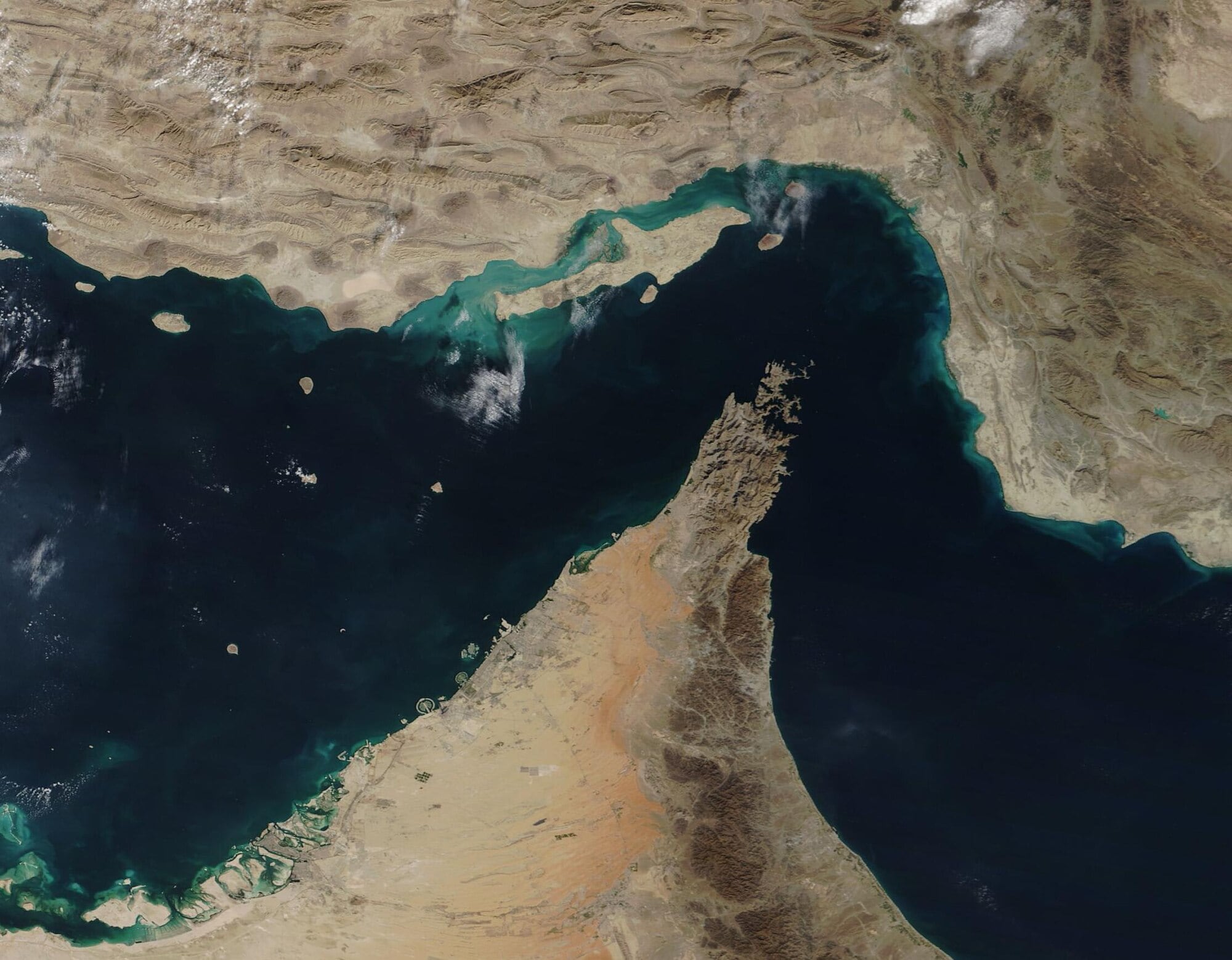
The attack happened roughly twenty nautical miles northeast of Sohar, Oman. According to British maritime security groups Ambrey and Vanguard Tech, the Settebello sent out an urgent distress call stating its engine room had been hit by a missile. The strike caused a massive fire, knocking out the ship's propulsion and leaving the crew stranded in active waters.
U.S. Central Command confirmed the action, stating its forces disabled the tanker because the crew ignored commands and violated a maritime blockade initiated back in April. But look at who is actually on these ships. They aren't military operatives or political ideologues. They are contract workers trying to earn a living.
India’s Ministry of External Affairs quickly issued a direct statement condemning the strike. The government isn't staying silent this time, mostly because of the human cost. New Delhi even summoned U.S. Chargé d’Affaires Jason Meeks to lodge a formal, high-level protest.
Two Strikes in Forty Eight Hours
If this sounds familiar, it's because the exact same scenario played out just two days earlier. On June 8, U.S. forces disabled another Palau-flagged tanker, the MT Marivex, in the very same region.
That ship also carried twenty-four Indian crew members. Fortunately, during that initial incident, the Omani military managed to rescue every single sailor safely after the ship caught fire. India’s diplomatic channels openly thanked Muscat for the quick response.
But luck ran out with the Settebello.
- The Vessel: M/T Settebello, a Palau-flagged oil tanker.
- The Crew: Twenty-four Indians and four foreign nationals.
- The Current Toll: Twenty-one Indians rescued, one confirmed casualty, and two crew members unaccounted for in the water.
International tracking data from TankerTrackers.com reveals the Settebello had previously docked in China twice between March and April, discharging cargo at Lianyungang port before sailing through Singapore in mid-May. It was heading toward Fujairah in the United Arab Emirates when the American precision munitions struck.
The Trap Facing International Seafarers
Merchant mariners don't choose their cargo, and they don't set the ship's route. Global shipping companies and opaque flag-of-convenience arrangements dictate where these vessels go. Yet, when major powers enforce a strict blockade, the ordinary workers in the galley and the engine room end up in the line of fire.
The Forward Seamen’s Union of India voiced the frustration of the entire maritime community on social media, questioning why Indian sailors are repeatedly getting caught in the crossfire of this Western Asia escalation. When a missile rips into an engine room, it hits the exact spot where engineers and technicians work.
India's government has demanded an immediate de-escalation of regional tensions and a swift return to diplomatic negotiations. The official stance is clear: international waterways must remain open for free, unimpeded commerce under international law.
Right now, the Indian Embassy in Muscat is coordinating directly with Omani search and rescue teams. The primary focus is finding the three missing men before the window of survival closes. If you have family members working on commercial tankers transiting near the Strait of Hormuz, contact the Ministry of External Affairs maritime helpline or reach out directly to the Indian Embassy in Oman for verified crew manifests and safety updates. Don't rely on unverified social media feeds for tracking operations.