The asphalt breathes. It does not just radiate heat; it exhales a heavy, shimmering pressure that settles over the chest and stays there. On a typical morning in early July, the air should smell like cut grass and the faint, sulfurous tang of early firecrackers. Instead, it smells like baked concrete and warning signs.
We have spent generations building a collective script for the Fourth of July. It is a holiday written in high-contrast colors: bright red watermelon wedges, deep blue pools, and white explosions against a night sky. We expect to sweat. We expect to complain about the humidity while reaching into a cooler for another soda. But there is a point where the weather stops being a background character in our summer traditions and becomes the apex predator.
That shift happened quietly this year. While millions tuned their radios to classic rock and fired up grill grates, an invisible dome of high pressure clamped down across a massive swath of the country. The numbers on the digital bank signs crept past the double digits and stayed firmly anchored above 100 degrees Fahrenheit. In some regions, the heat index—that suffocating combination of raw temperature and moisture—pushed toward a staggering 115 degrees.
The human body is an exquisite, fragile engine. It keeps its cool through the simple magic of evaporation. When moisture leaves the skin, it takes a tiny fraction of thermal energy with it. But when the air is already saturated, when the atmosphere feels like a damp wool blanket fresh out of the dryer, that mechanism fails. The sweat pools. The core temperature rises. The engine begins to seize.
Consider a hypothetical family in the suburbs of a major midwestern city. Let us call them the Millers. They did everything right. They set up canopy tents in the backyard to block the direct glare of the sun. They filled a plastic pool for the kids. They had three different coolers packed with ice and sports drinks. But the air itself was stagnant. By mid-afternoon, the breeze felt like the exhaust from a clothing dryer.
It started with a subtle shift in mood. The youngest child became uncharacteristically irritable, refusing to drink water. The grandfather, sitting quietly in a lawn chair under the deepest shade, complained of a dull headache that wouldn't budge. These are not dramatic, cinematic symptoms. They do not arrive with a siren. They creep in as fatigue, as a slight dizziness, as a sudden wave of nausea that gets dismissed as "just a bit too much sun."
For more than twenty families across the nation this holiday weekend, those subtle shifts crossed a fatal threshold.
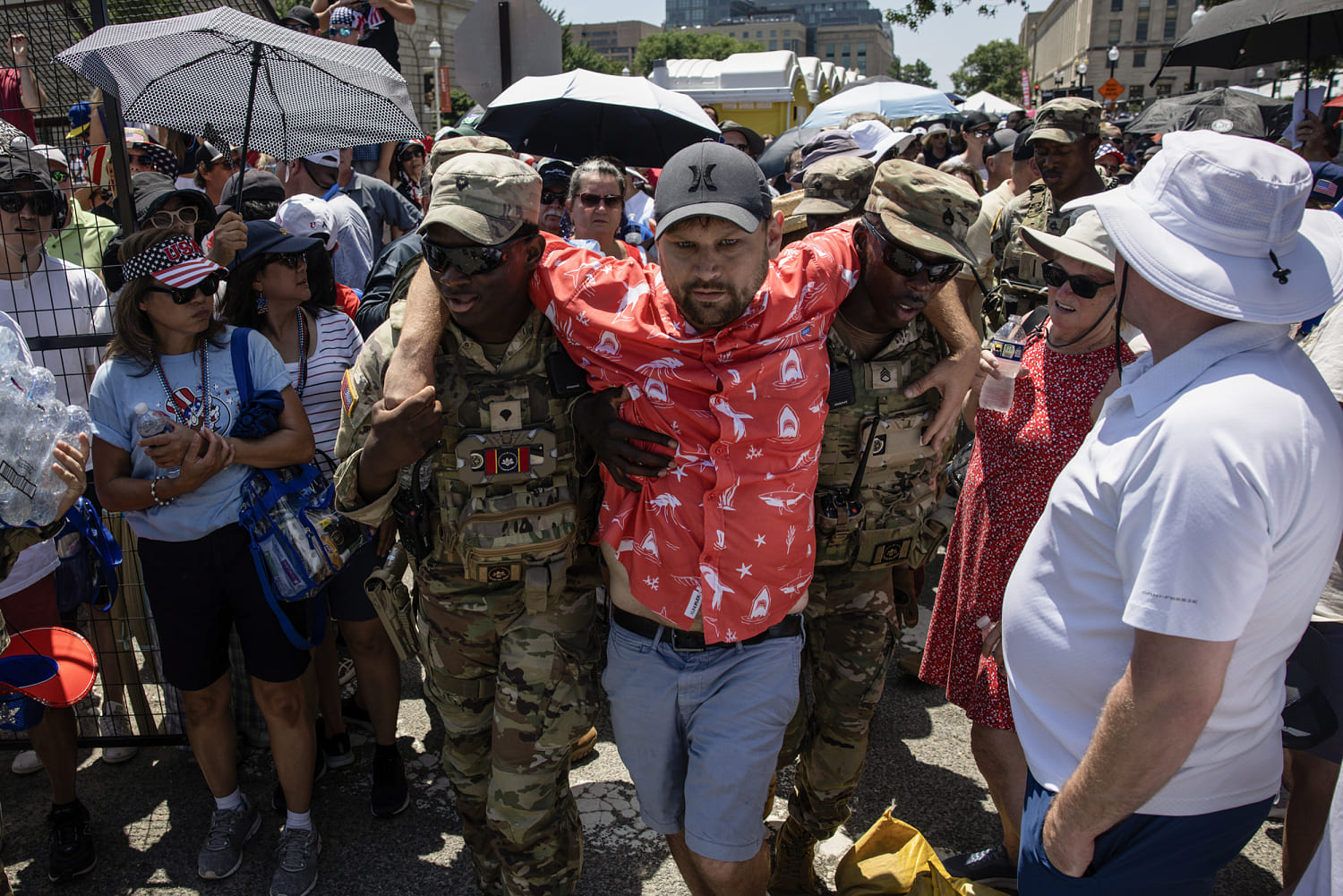
Medical examiners and local health officials began tracking the grim ledger before the first fireworks even cleared the staging grounds. The reports trickled in from crowded urban apartments without working air conditioning, from outdoor community festivals, and from quiet suburban neighborhoods. Over twenty deaths are now suspected to be directly tied to the record-breaking heat wave that collided head-on with the holiday weekend.
Death from hyperthermia is a lonely, quiet process. As the body’s internal thermostat fails, blood vessels dilate wildly in a desperate attempt to push heat toward the skin. The heart pumps faster and harder, trying to move the warmth out of the core. If the external environment offers no relief, the organs begin to suffer from a lack of blood flow. The brain grows confused. A person suffering from severe heat stroke might become disoriented, stripping off clothes or wandering away from safety.
This is the hidden cost of a changing climate profile. It alters the texture of our most sacred cultural rituals.
Across the country, municipalities faced an agonizing choice: proceed with long-planned community events or cancel them to save lives. In dozens of cities, the decision was made for them as emergency medical services found themselves completely overwhelmed by heat-exhaustion calls. Main Street parades were cut short. Daytime concerts were pushed into the late evening or scrapped entirely. The traditional community gatherings that form the bedrock of local summer culture simply dissolved under the weight of the heat index.
Even the evening offered little respite. Historically, nighttime has been the savior during hot spells. The sun dips below the horizon, the earth radiates its energy back into space, and the human body gets a few hours to reset and repair. But urban heat islands—those dense clusters of brick, concrete, and asphalt—hold onto the day's energy like a battery. In many affected areas, the overnight low failed to drop below 80 degrees. The body never got its chance to heal.
We tend to look at natural disasters through the lens of destruction. We look for overturned cars, splintered trees, and flooded living rooms. Heat leaves no debris field. It breaks no windows. It simply leaves a quiet house, an empty lawn chair, and a statistical spike in emergency room admissions.
To survive this new reality, the way we celebrate has to evolve. The old bravado of "toughing it out" in the sun is a relic of a climate that no longer exists. True safety now requires a hyper-vigilance toward our neighbors, an understanding that the elderly, the very young, and those without access to climate-controlled spaces are fighting a battle their bodies were never designed to win alone.
As the final, muted fireworks fizzled out against the hazy, warm night sky, the true impact of the weekend became clear. The holiday was not defined by the flags or the food, but by the empty spaces at the table left behind by a silent, scorching summer.