Local news channels and social media feeds are currently lighting up over a story that sounds like a rejected Hollywood script. A man in Florida gets arrested after trying to pawn off a stolen radiological device on Facebook Marketplace. The immediate reaction from the press has been a predictable cocktail of mockery and unadulterated panic. They paint a picture of a near-miss catastrophe, suggesting a deadly dirty bomb scenario was narrowly averted between listings for used lawnmowers and vintage sofas.
It is a comforting narrative for a lazy slow-news day. It is also completely wrong.
The collective freak-out over this incident exposes a massive, systemic ignorance regarding how industrial radiation sources actually work and where the real vulnerabilities in our infrastructure lie. We are worrying about a petty thief with a smartphone while ignoring the broken mechanisms of industrial asset management.
The Myth of the Backyard Dirty Bomb
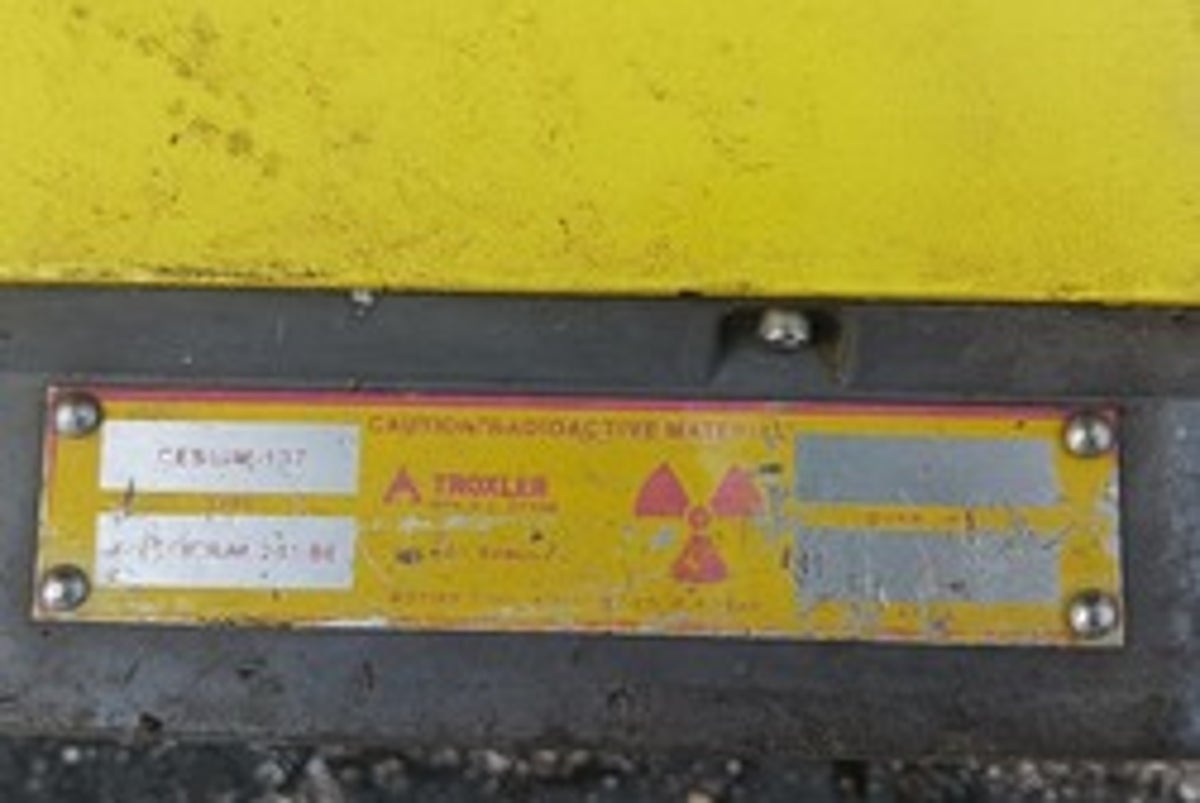
Let us clear up the physics immediately before the sensationalism warps the public consciousness any further. The device in question is almost certainly a portable moisture-density gauge, typically used in civil engineering and construction to measure the compaction of soil or concrete. These devices usually contain small, sealed sources of Cesium-137 and Americium-241/Beryllium.
The media loves to use the phrase "radiological device" because it conjures images of glowing green goo and immediate, flesh-melting sickness.
Here is the reality check. To get a dangerous dose of radiation from a standard Troxler moisture gauge, an individual would have to actively smash the heavily shielded, ruggedized casing using heavy power tools, extract the tiny sealed capsule, and then physically hold it against their skin or ingest it.
- The Shielding Works: These devices are built to survive being run over by a bulldozer on a construction site. They do not just leak radiation because they changed hands in a Walmart parking lot.
- The Quantity is Minimal: We are talking about millicuries, not kilocuries. This is not weapons-grade material. It cannot be weaponized into a mass-casualty explosive device by an amateur.
- The True Hazard: The danger is localized, long-term exposure to the thief or an unsuspecting buyer who tries to disassemble it for scrap metal.
Amateurs cannot build a dirty bomb with an industrial soil tester. The laws of physics do not allow it. By framing this as a foiled homeland security crisis, the public conversation completely misses the actual structural failure that allowed the theft to happen in the first place.
Facebook Marketplace is Not the Problem
Whenever an illicit item surfaces on a digital platform, regulators and pundits immediately blame the platform. They ask why algorithms did not catch the listing sooner. They demand stricter content moderation on social media marketplaces.
This line of questioning is fundamentally flawed. Focusing on the digital storefront is like blaming a highway for being the escape route in a bank robbery.
[The Industrial Security Disconnect]
Supply Chain Flaw: Missing Inventory Tracking
      │
      ▼
Physical Theft: Unlocked Truck Bed / Low Security
      │
      ▼
The Digital Symptom: Facebook Marketplace Listing
      │
      ▼
The Media Fallacy: Focuses here, ignoring the root causes.
The real failure happened long before the seller uploaded a blurry photo to Facebook. It happened at the operational level of the construction or engineering firm that owned the device. I have worked alongside industrial compliance auditors for years, and the sheer carelessness surrounding asset tracking would turn your hair gray.
These devices are frequently left in the backs of open pickup trucks, secured by nothing more than a cheap padlock from a local hardware store. They are checked out on paper logs that nobody reviews until the end of the fiscal quarter. The Nuclear Regulatory Commission (NRC) sets strict rules for the storage and transportation of these gauges, requiring two independent physical controls to prevent unauthorized removal. Yet, field workers bypass these rules daily out of convenience or fatigue.
Blaming Facebook Marketplace for the sale of a stolen gauge is a distraction. The real culprit is a culture of complacency in field operations that treats a regulated radioactive source with the same level of security as a cordless drill.
The Dangerous Illusion of Regulatory Omniscience
The public operating assumption is that organizations like the NRC or state departments of health have an unbroken, real-time eye on every radioactive isotope in the country. They do not. The regulatory framework relies almost entirely on self-reporting and periodic audits.
When a device goes missing, there is often a massive lag between the actual theft and the realization that the asset is gone.
Why the Tracking System is Broken
- Passive Logging: Most industrial sources do not have active GPS tracking embedded in them. They rely on manual barcode scans or paper manifests. If a device is stolen from a truck overnight, the owner might not notice until they arrive at the job site the next morning, or even days later.
- Resource-Constrained Inspections: Regulatory bodies do not have the manpower to inspect every job site daily. They perform spot checks. If a company maintains a clean paperwork trail, they can slide by with substandard physical security for years.
- The Scrap Metal Vacuum: The greatest risk for these devices is not a terrorist market; it is the traditional scrap yard. If a thief strips the plastic housing and dumps the metal casing into a shredder, the source can contaminate an entire batch of recycled steel. This has happened globally multiple times, costing millions in cleanup fees, yet our tracking systems remain stuck in the pre-digital era.
Stop Asking How to Regulate the Internet
Go to any public forum discussing this arrest, and you will see variations of the same question: How do we stop people from selling dangerous materials online?
This is the wrong question entirely. The internet merely makes the black market visible. In the past, this stolen gauge would have been sold in a dive bar or pawned to an shady fence who didn't ask questions. The fact that the thief resorted to Facebook Marketplace proves how desperately stupid the criminal enterprise was, and how easily traceable the act became. The internet did not create the crime; the internet caught the criminal.
Instead of demanding impossible, sweeping changes to social media algorithms, the industry must focus on fixing the physical security architecture.
- Mandate Active Telemetry: Every industrial radiological source should legally require a hardened, tamper-proof, internal GPS tracking unit with its own independent power supply. If the device moves outside a geofenced zone without authorization, an immediate alert should go to local law enforcement and federal regulators.
- Enforce Real Penalties for Corporate Neglect: Currently, when a company loses a gauge, they face a fine that amounts to a slap on the wrist. Until the financial penalty for losing a radioactive source exceeds the cost of hiring dedicated security personnel, companies will continue to treat these devices as disposable line items.
- Update the Scrap Infrastructure: Install mandatory, high-sensitivity radiation portal monitors at every single scrap metal recycling facility and waste management plant nationwide, backed by federal enforcement. Catch the material where it actually causes economic and physical harm, rather than policing digital classified ads.
The Florida incident is not a terrifying glimpse into a new age of digital terror. It is a loud, embarrassing alarm reminding us that our physical industrial security standards are completely outdated. Stop watching the sensationalized news broadcasts. Stop worrying about the digital marketplace. Look at the unlocked truck beds on the construction sites you drive past every single day. That is where the real vulnerability sits.