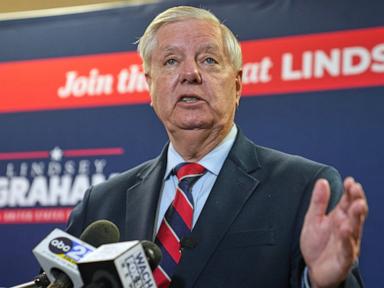
Incumbent survival in polarized electorates operates as an optimization problem rather than a simple test of ideological purity. The June 2026 South Carolina Republican primary demonstrates how structural advantages—specifically capital asymmetry, strategic geopolitical alignment, and executive endorsements—can neutralize baseline vulnerabilities within a candidate's local voting base.
Senator Lindsey Graham’s bid for a fifth term serves as the primary case study for this dynamic. While public commentary often focuses on the friction between Graham’s historic legislative record and the demands of the current "America First" populist movement, a structural analysis reveals that his primary defense relies on three quantifiable operational pillars. For an alternative look, consider: this related article.
The Three Pillars of Incumbent Insulation
An incumbent's resilience against primary challenges from the ideological flank depends on three specific variables. When these variables are managed optimally, the probability of a successful primary challenge approaches zero.
                  ┌────────────────────────────────────────┐
                  │      Structural Incumbent Defense      │
                  └───────────────────┬────────────────────┘
                                      │
         ┌────────────────────────────┼────────────────────────────┐
         ▼                            ▼                            ▼
┌─────────────────┐          ┌─────────────────┐          ┌─────────────────┐
│Financial Barrier│          │Executive Anchor │          │Policy Alignment │
│  $29M War Chest │          │Trump Endorsement│          │ Iran Conflict   │
└─────────────────┘          └─────────────────┘          └─────────────────┘
1. Capital Asymmetry as a Barrier to Entry
The primary mechanism for deterring viable challengers is the accumulation of an unassailable financial surplus. As of late May 2026, Graham’s campaign had expended more than $29 million on his reelection effort. Entering the final stretch of the primary, his campaign held $4.2 million in cash on hand—a sum representing more than double the liquid assets of the remaining Republican field combined. Related analysis on this trend has been shared by USA Today.
This capital imbalance alters the competitive dynamics of the race in two ways:
- Media Saturation Dominance: It allows the incumbent to purchase local television, digital, and print inventory at scale, effectively raising the cost per acquisition (CPA) for challenger votes to a level that underfunded campaigns cannot sustain.
- Challenger Attrition: The sheer volume of capital deters tier-one challengers from entering the race entirely. High-profile potential opponents, including Project 2025 architect Paul Dans and former Lieutenant Governor André Bauer, exited the field months before the primary, leaving only underfunded, low-recognition candidates like Greenville businessman Mark Lynch to split the remaining anti-incumbent vote.
2. The Executive Endorsement Anchor
In a highly polarized primary electorate, voter decision-making is heavily influenced by heuristics, or cognitive shortcuts. The most powerful heuristic in the contemporary Republican party is the formal endorsement of Donald Trump.
Graham secured Trump’s endorsement before his campaign officially commenced. This anchor effectively insulates the incumbent from accusations of ideological apostasy. When primary challengers attempts to position themselves as more aligned with the populist base, the executive endorsement creates a logical paradox for the voter. For example, when Mark Lynch campaigned on an "America First" platform, Trump publicly dismissed him as a "disaster for the Republican Party" on social media. This intervention inverted Lynch's strategy, turning his attempt to flank the incumbent into an explicit rejection of the party leader's choice.
3. Geopolitical Alignment and Executive Consonance
Ideological vulnerability is often neutralized by high-profile policy alignment on critical issues. While base voters in South Carolina have historically expressed skepticism regarding Graham’s past alignment with more centrist factions of the party, his positioning on foreign policy has aligned precisely with current executive actions.
The ongoing military conflict with Iran serves as the primary mechanism for this alignment. Graham has historically advocated for aggressive confrontation with Tehran. When the administration executed strikes on Iranian nuclear sites last year, it directly validated Graham's long-term foreign policy thesis. By positioning himself as a key confidant and advisor to the president during an active military conflict, Graham shifts the campaign narrative from domestic ideological purity to wartime stability and institutional continuity.
The Path to the General Election
The primary serves as the only significant structural hurdle for South Carolina Republicans due to the state's underlying partisan baseline. The Democratic party has failed to win a statewide election in South Carolina for over twenty years.
The historical data demonstrates an expanding partisan gap in general elections:
- 2020 Senate Election: Lindsey Graham defeated Democrat Jaime Harrison by 10 percentage points, despite Harrison raising and spending a record-breaking $130 million.
- 2022 Gubernatorial Election: Governor Henry McMaster secured reelection by an 18-point margin over his Democratic challenger.
This baseline trend indicates that whoever emerges from the Republican primary faces a highly predictable path in November. The state’s electoral mechanics require Democrats to overperform their historical baseline by double digits among rural voters—a shift that current polling and historical turnout models indicate is highly improbable.
The tactical lesson of the 2026 primary cycle is clear: a well-capitalized incumbent who controls the dominant party endorsements can withstand significant base skepticism. By converting financial capital into media dominance and leveraging foreign policy developments to reinforce executive ties, an incumbent can successfully decouple their reelection prospects from their historic policy vulnerabilities. The final outcome of the primary will not be determined by ideological debate, but by the asymmetric deployment of these structural assets.