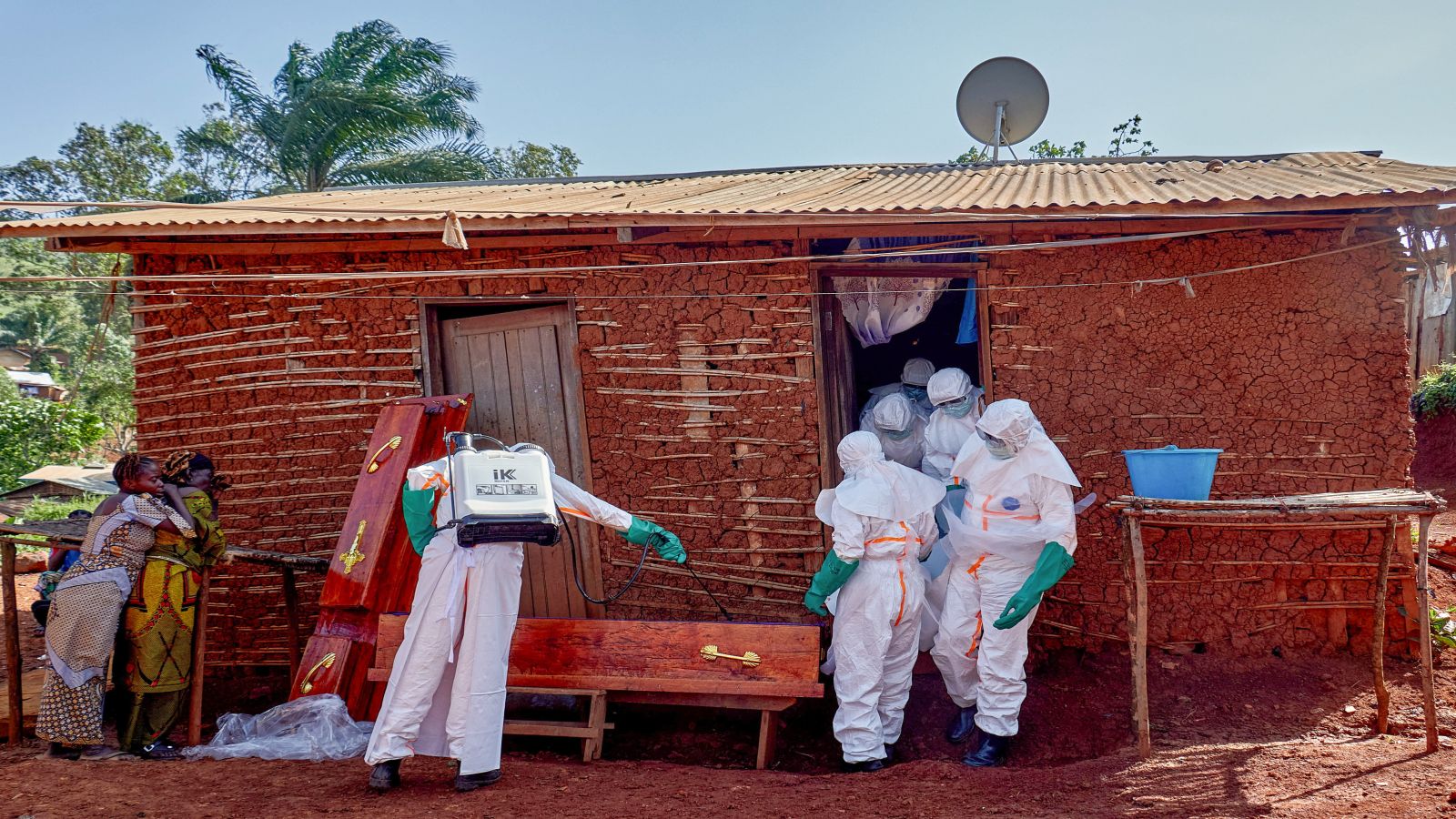
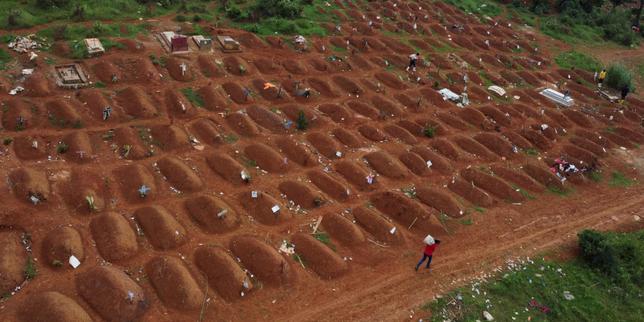
The containment of highly infectious pathogens like the Ebola virus depends on understanding a fundamental epidemiological reality: viral proliferation is not constrained by political geography, but driven by specific, measurable vectors of human and economic mobility. When an outbreak originates within the Democratic Republic of Congo (DRC) or Uganda, assessing the threat to the ten surrounding African nations requires moving past reactive alarmism. Instead, public health infrastructure must analyze the situation through a quantifiable framework of border porousness, healthcare capacity deficits, and regional transit corridors.
The structural risk of an epidemic expanding from a localized cluster into a multi-national crisis is governed by three independent variables: the Velocity of Cross-Border Transit, the Institutional Diagnostic Delay, and the Baseline Vector Vulnerability of neighboring health systems. By deconstructing the systemic vulnerabilities of the ten high-risk nations bordering or proximal to the current transmission zones, we can map exactly where containment failures are mathematically most probable.
The Triple-Helix Model of Regional Viral Amplification
Epidemiological tracking often over-relies on simple geographic proximity. A superior analytical approach evaluates risk through three specific operational vectors that dictate how a pathogen moves across borders.
1. The Frictionless Border Vector (Logistical Mobility)
Geographic distance matters less than the daily volume of unmonitored human transit. The regions surrounding the DRC and Uganda are defined by informal trade routes, seasonal agricultural migration, and displaced population movements.
- Informal Ports of Entry: Official border control points represent only a fraction of actual crossings. Weekly markets and community ties mean thousands of individuals cross rivers and forest paths daily without health screenings.
- The Transit Velocity Multiplier: A single infected individual boarding a long-distance truck or minibus (matatu) can travel hundreds of kilometers within the incubation period of the virus (2 to 21 days), effectively bypassing localized containment rings before showing symptoms.
2. The Institutional Diagnostic Delay (The Information Gap)
The time elapsed between patient zero's initial symptom onset and a confirmed laboratory diagnosis is the single most critical variable governing outbreak scale.
- Symptom Mimicry: Early-stage Ebola symptoms—fever, fatigue, muscle pain, and headache—are clinically indistinguishable from endemic malaria, typhoid, or dengue fever. Without rapid differential diagnostics, patients are routinely misdiagnosed and treated in general wards.
- Laboratory Centralization: When regional clinics lack Polymerase Chain Reaction (PCR) capabilities, blood samples must be transported via poor road networks to distant capital cities. This creates an informational blind spot lasting anywhere from 48 hours to a week, during which nosocomial (healthcare-acquired) transmission escalates unchecked.
3. Baseline Vector Vulnerability (Systemic Weakness)
Once the virus enters a new territory, its reproduction number ($R_0$) is dictated by the structural integrity of the local healthcare environment.
- Personal Protective Equipment (PPE) Deficits: In under-resourced clinics, the absence of standard medical grade barriers forces staff to reuse equipment or manage bodily fluids unprotected, turning healthcare workers into primary vectors of amplification.
- Water, Sanitation, and Hygiene (WASH) Failure: Clinics operating without continuous running water or reliable chemical sterilization agents cannot maintain sterile fields, transforming localized triage centers into super-spreading nodes.
Quantifying the Vulnerability Profiles of At-Risk Nations
The ten nations flanking the primary transmission zones do not share a uniform risk profile. They are segmented into distinct structural tiers based on their specific vulnerabilities.
+------------------+-----------------------+------------------------+-----------------------+
| Risk Tier        | Target Countries      | Primary Vulnerivity    | Critical Action Point |
+------------------+-----------------------+------------------------+-----------------------+
| Tier 1: Direct   | South Sudan, Rwanda,  | High-volume trade      | Real-time border PCR  |
| Contiguity       | Burundi, CAR          | corridors, instability | screening deployment  |
+------------------+-----------------------+------------------------+-----------------------+
| Tier 2: Transit  | Kenya, Tanzania,      | Mass transport hubs,   | Urban isolation ward  |
| Corridors        | Zambia                | logistical nodes       | readiness protocols   |
+------------------+-----------------------+------------------------+-----------------------+
| Tier 3: Extended | Angola, Republic of   | Remote border forests, | Community surveillance|
| Periphery        | Congo, South Africa   | internal displacement  | and mobile text alerts|
+------------------+-----------------------+------------------------+-----------------------+
The Contiguous Frontline: South Sudan, Rwanda, Burundi, and the Central African Republic (CAR)
These nations face an immediate threat due to direct land borders with active transmission zones. However, their internal architectures present wildly divergent containment capacities.
Rwanda possesses a highly centralized, digitally integrated public health infrastructure. Its risk is primarily driven by the extreme density of the population moving through the Gisenyi-Goma border axis. The vulnerability here is not a lack of recognition, but the sheer velocity of human movement through a compressed bottleneck.
South Sudan and the CAR present a different structural failure mode. Protracted geopolitical instability has fractured their domestic health systems. In these territories, the primary threat is the total absence of syndromic surveillance across vast, unmonitored border expanses. If the virus crosses into these zones, it could circulate silently for multiple generation cycles before detection.
The Trade Infrastructure Nodes: Kenya and Tanzania
While not directly bordering the primary active outbreaks in the deep western DRC, these East African economic engines are deeply tied to the crisis via the Northern and Central Transport Corridors.
Truck drivers moving cargo from the ports of Mombasa and Dar es Salaam penetrate deep into East and Central Africa. These logistics networks create a high-probability transmission vector. An infection contracted at an inland depot can be transported rapidly to major urban centers like Nairobi or Dodoma within 48 hours. The vulnerability shifts from rural community spread to explosive urban nosocomial outbreaks within high-density informal settlements.
The Containment Cost Function and Structural Friction
Deploying an effective countermeasures strategy requires understanding the economic and physical constraints that degrade intervention efficacy. Containment success is an inverse function of logistical friction and community distrust.
The Supply Chain Bottleneck
Deploying cold-chain dependent vaccines, such as the Ervebo vaccine which requires storage temperatures between $-60^\circ\text{C}$ and $-80^\circ\text{C}$, demands a sophisticated logistical infrastructure. In rural border regions lacking stable electrical grids or regular fuel supplies for generators, maintaining this ultra-cold chain becomes impossible. Every point of transfer in the supply chain introduces a vector of failure where the vaccine risks thermal degradation, rendering it useless before administration.
The Behavioral Dynamics of Surveillance
Imposing aggressive quarantine measures or heavy-handed border closures often yields diminishing returns. When state interventions are perceived as punitive or disruptive to survival-level economic trade, populations respond by actively evading official checkpoints.
This behavioral shift drives transmission underground. Instead of presenting to public isolation centers, symptomatic individuals seek covert care from traditional practitioners or hide within communities, eliminating the visibility required for accurate contact tracing.
Strategic Reconfiguration of Regional Defenses
To prevent a cross-border spillover from morphing into a continent-wide epidemic, public health authorities must abandon passive waiting postures and implement a decentralized, proactive containment model.
Decentralized Ring-Fencing and Point-of-Care Diagnostics
Resources must be repositioned away from capital city laboratories directly down to the primary transit nodes identified along the borders of the ten at-risk nations.
- Deploy GeneXpert diagnostic platforms capable of delivering automated, molecular Ebola readouts within 90 minutes at every major border crossing and regional depot.
- Establish pre-fab isolation units directly adjacent to high-volume border markets, ensuring any individual presenting with a fever can be legally and safely segregated before entering the domestic transport stream.
Asymmetric Resource Allocation
Rather than distributing protective gear and training uniformly across a country, resources must target the high-mobility populations that act as transmission vectors.
- Establish mandatory health-check architecture for commercial long-haul drivers along the Northern and Central corridors, linking vehicle transit permits to biometric health clearances.
- Pre-stage mobile outbreak response packs—containing PPE, chlorine generation systems, and universal viral transport media—in high-risk border zones so local clinics can survive the critical 48-hour window following an initial outbreak indication.
The standard playbook of waiting for a confirmed case to cross a border before mobilizing an international response guarantees a lagging, costly, and potentially unmanageable intervention. Minimizing regional mortality requires treating the ten surrounding nations not as passive observers of the DRC and Uganda crises, but as an active, integrated epidemiological shield that must be reinforced before the barrier breaks.