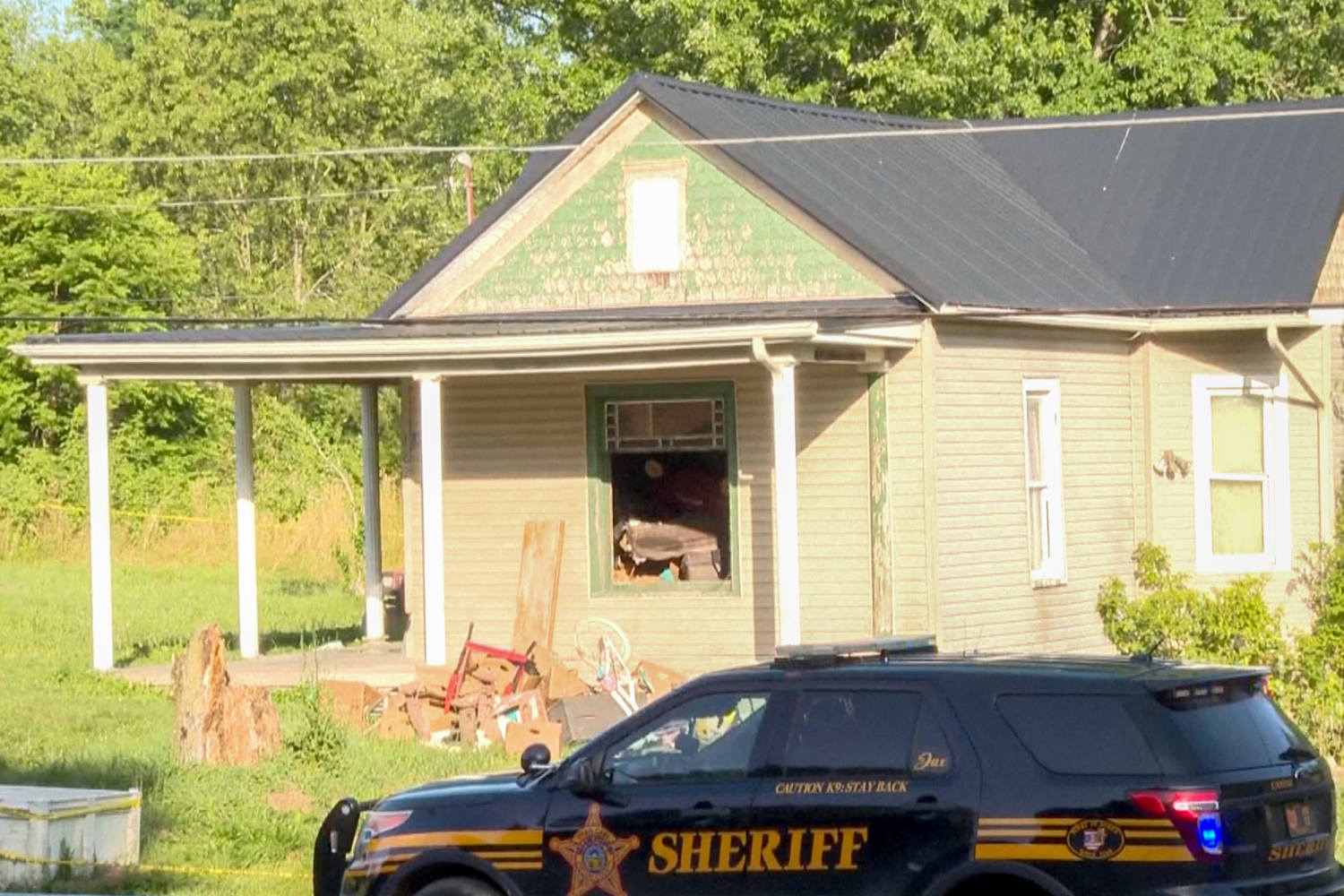
The media has a predictable playbook for child neglect stories. A shocking headline drops about a multi-generational home in Ohio, sixteen children rescued from horrific squalor, and the immediate arrest of the parents and grandparents. The public reacts with swift, justified disgust. Comment sections fill with demands for life sentences. The local police department holds a press conference, patting themselves on the back for saving the day.
It is a neat, comforting narrative. It isolates evil to a single household and positions the state as the ultimate savior.
It is also an absolute lie.
As someone who has spent over a decade analyzing child welfare data and tracking the real-world outcomes of emergency state interventions, I can tell you exactly what happens after the cameras turn off. The media celebrates the raid as a victory. In reality, the state just initiated a secondary crisis that is frequently more damaging than the one they supposedly solved. Splitting up a massive family and dumping sixteen highly traumatized children into a collapsing state care apparatus is not a solution. It is a bureaucratic optics play that masks a catastrophic systemic failure.
The Math of State Care Always Fails
Let’s look at the brutal logistics that the mainstream press completely ignores. What happens to sixteen siblings when they enter the emergency child welfare system simultaneously?
The lazy consensus assumes they are placed in safe, loving homes where they can begin to heal. The data tells a completely different story. No county welfare agency in Ohio—or anywhere else in the country—has a single emergency home capable of taking in sixteen children at once.
Here is what actually happens within forty-eight hours of an arrest like this:
- Sibling Dispersal: The children are immediately split up based on age and available beds. The toddlers go to one home, the pre-teens to another, and the teenagers are sent to high-occupancy shelters or group facilities. The only stable support network these children had—each other—is violently dismantled.
- The Hotel and Office Phenomenon: When emergency beds run out, children sleep on cots in social services offices or in budget motels guarded by private security contractors. This isn't speculation; it is a documented reality across underfunded state agencies nationwide.
- Placement Instability: Children removed in high-profile raids move between multiple temporary homes within their first year. Every move compounding their initial trauma.
By treating the family unit exclusively as a crime scene rather than a complex structure requiring intense, localized intervention long before a crisis point, the system achieves a short-term public relations win while ensuring long-term institutional instability for the victims.
The Downstream Theater of Emergency Raids
Public child welfare agencies rarely stumble upon sixteen children living in squalor by accident. In almost every single high-profile case of extreme neglect, there is a paper trail stretching back years. Neighbors called. Schools flagged absences. Local clinics noted developmental delays.
Yet, the system routinely ignores these early warning signs. Why? Because proactive, intensive family intervention is expensive, unglamorous, and requires actual labor. It requires deploying social workers to force structural changes, manage mental health crises, and address severe poverty before it mutates into criminal neglect.
Instead, agencies wait until the situation deteriorates into an unmitigated disaster that justifies a police raid. A raid creates a clear villain. It creates a headline that vindicates the agency's budget.
Imagine a scenario where a local utility company ignores a gas leak for five years until a house explodes, and then expects a medal for helping put out the fire. That is precisely what child protective services does when they execute these massive operations. They celebrate the cleanup of a disaster they failed to prevent.
Dismantling the Premise of Public Protection
When looking at the public discourse surrounding these cases, the questions being asked are fundamentally flawed.
People ask: "How do we punish these parents more severely?"
They should be asking: "Why did the local safety net fail to flag this household when child number five, six, or seven stopped showing up to mandatory medical checkups?"
People ask: "How can we get these kids adopted quickly?"
They should be asking: "How will the state manage the severe psychological fallout of destroying this family structure without perpetrating further institutional abuse?"
The uncomfortable truth nobody wants to admit is that state care frequently produces worse long-term outcomes than flawed biological homes. National longitudinal studies consistently show that children who age out of state-run systems face drastically higher rates of homelessness, incarceration, and substance abuse compared to peers from similar socioeconomic backgrounds who remained with their families under intense supervision.
Am I arguing that children should be left in dangerous, unsanitary conditions? Absolutely not. Physical safety is non-negotiable. But the knee-jerk reaction to completely sever family ties and rely on mass criminalization as the primary tool of child welfare is an objective failure.
The Actionable Shift to Hardline Accountability
If we actually want to protect vulnerable children rather than just feeling righteously indignant on social media, the entire operational framework of child protective interventions must be disrupted.
First, we must end the legal immunity that shields child welfare administrators from their own negligence. If an agency received multiple actionable reports about a household over a multi-year period and failed to conduct proper welfare checks, the leadership should face criminal negligence charges right alongside the parents. Accountability cannot stop at the front door of the home.
Second, the state needs to redirect the millions of dollars currently spent on long-term institutional care toward aggressive, mandatory, in-home intervention programs. If a family is spiraling, the state should lock down the household with daily oversight, mandatory medical care, and forced sanitation measures rather than waiting for the environment to become a headline, removing the children, and scattering them to the wind.
The current system relies on your outrage to survive. It wants you to focus entirely on the horror of the crime scene so you don't look at the incompetence of the bureaucracy that allowed it to build for a decade. Stop falling for the savior narrative. The raid isn't the end of the tragedy; it is just the beginning of a different, more institutionalized one.