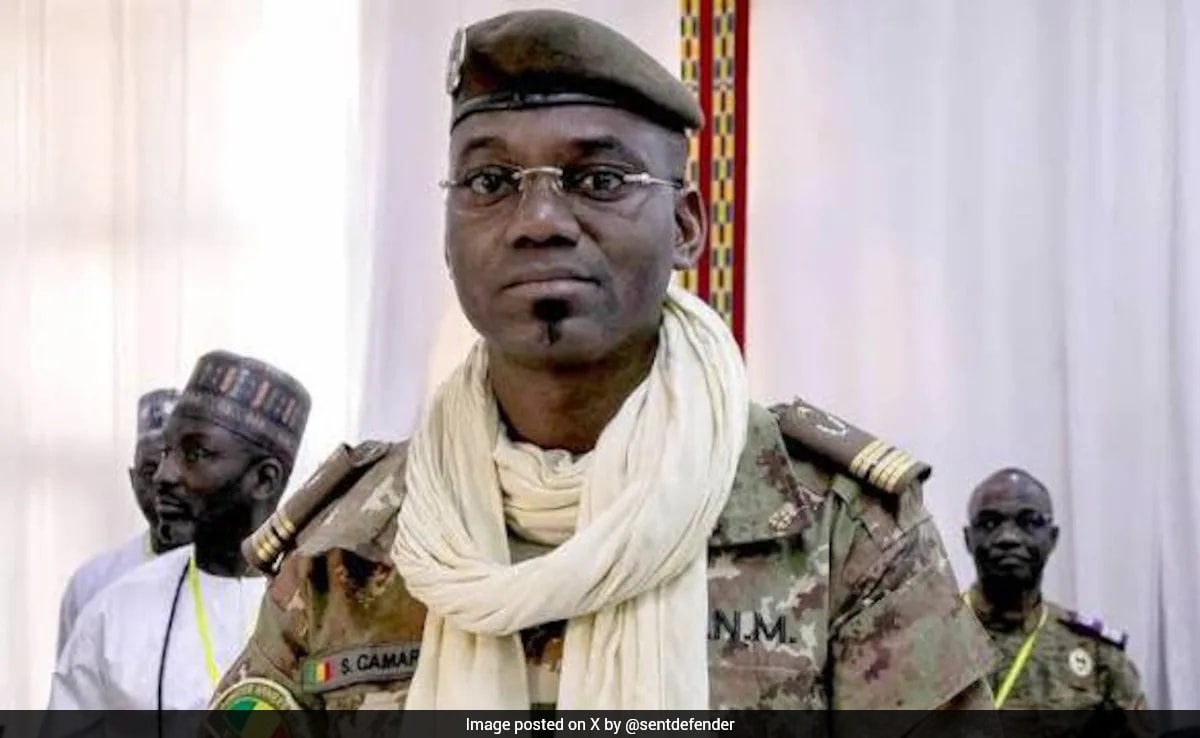
Mali’s security strategy just went up in smoke, literally. On Saturday, April 25, 2026, a coordinated wave of violence ripped through the country, culminating in the death of Defense Minister Gen. Sadio Camara. This wasn't just a random hit. It was a surgical strike at the heart of the junta’s power structure, and it signals that the alliance between Tuareg separatists and jihadi militants is much tighter than anyone in Bamako wants to admit.
If you’ve been following the Sahel, you know the drill. Chaos is the norm. But this weekend was different. The scale was massive. We saw simultaneous attacks in the capital Bamako, the military hub of Kati, and the strategic northern cities of Gao and Kidal. By Sunday, the government had to face the music: Camara, the man who helped orchestrate the pivot to Russia, is dead.
The Death of Sadio Camara and the Kati Breach
Kati is supposed to be the safest place in Mali. It’s the primary military base, the home of the junta leader Assimi Goïta, and the nerve center of the Malian Armed Forces (FAMa). Yet, the Al-Qaeda-linked group JNIM managed to drive a car bomb straight into Camara’s residence.
He didn't go down without a fight. Reports indicate he swapped gunfire with the attackers before succumbing to his wounds in a hospital. But the fact that they got to him at all is a massive embarrassment for the military. It shows a glaring lapse in intelligence and local security. When your Defense Minister isn't safe in the army’s own backyard, nobody is.
The Alliance Nobody Wanted to See
The most alarming part of this weekend’s bloodbath is the cooperation. For years, the government played the "divide and conquer" game. They hoped the Tuareg-led separatists—now organized under the Front for the Liberation of Azawad (FLA)—would stay at odds with the religious extremists of JNIM.
Saturday shattered that hope. JNIM and the FLA released statements claiming they worked together. They hit the Bamako airport, military Base 101, and seized multiple towns in the north. This kind of "unholy alliance" makes the rebellion twice as hard to fight because it combines the local knowledge and legitimacy of the separatists with the suicide-bombing tactics and resources of the jihadis.
The Fall of Kidal and the Russian Problem
The junta staked its entire reputation on taking Kidal back from the rebels in 2023. They used Russian mercenaries (formerly Wagner, now "Africa Corps") to do it, touting it as a "restoration of sovereignty."
Well, as of this weekend, Kidal is reportedly back in separatist hands. FLA spokesperson Mohamed El Maouloud Ramadan declared the city "free" after FAMa and Russian troops reportedly negotiated a peaceful exit. If this holds, it’s a total collapse of the junta’s primary political narrative. They promised security through Russian partnerships, but instead, the rebels are stronger and better coordinated than they were three years ago.
What This Actually Means for You
If you're wondering why this matters outside of West Africa, look at the regional map. Mali is a lynchpin.
- Fuel Blockades: JNIM has already been choking Bamako with fuel blockades since late 2025. This latest offensive will likely tighten that grip.
- Refugee Crises: Every time the FLA or JNIM takes a major city like Gao or Kidal, thousands of people flee toward Mauritania, Algeria, or south toward the coast.
- The Russia Factor: This is a direct test for Russia’s "Africa Corps." If they can’t protect a Defense Minister or hold a city like Kidal, their value proposition in the Sahel disappears.
The Reality of the Malian Army’s Position
Let’s be blunt: the Malian army is overstretched. They’re trying to fight a three-front war against the FLA in the north, JNIM in the center, and Islamic State (ISSP) in the east. At the same time, they've kicked out UN peacekeepers (MINUSMA) and French forces.
I've talked to analysts who say the "panic in the ranks" is real. The government’s official line is always that things are "under control," but when you have 16 wounded in the capital and your military leadership is getting picked off in their homes, "under control" is a fantasy.
What Happens Tomorrow
Mali has entered two days of national mourning, but there’s no time to grieve. The junta is in a corner. They’ll likely respond with heavy-handed airstrikes—which often lead to civilian casualties and, ironically, more rebel recruitment.
If you want to understand where this goes next, keep an eye on these three things:
- The Succession: Who replaces Camara? He was a bridge to Moscow. A more radical or less competent replacement could fracture the junta.
- The Gao Front: If Gao falls like Kidal did, the north is effectively gone.
- The Bamako Siege: Watch the fuel prices and road security. If the rebels can hit the capital's airport at will, they can starve the city out.
The situation is messy and getting messier. Don't believe the "all is well" press releases from state TV. The death of Camara isn't just a loss of a man; it’s the loss of the aura of invincibility the junta has tried so hard to build.
Practical Steps for Following the Crisis
- Monitor Local Sources: Follow Studio Tamani or L'Indicateur du Renouveau for ground-level reports that bypass state censorship.
- Check Satellite Imagery: Organizations like the Sahel Memo or ACLED provide real-time data on who actually controls which military bases.
- Watch the AES Alliance: See if Burkina Faso or Niger send troops to help. They’re part of the same "Alliance of Sahel States," and if one falls, the others are next.
The war in Mali isn't a "north vs. south" fight anymore. It's a fight for the very existence of the state. And right now, the state is losing.