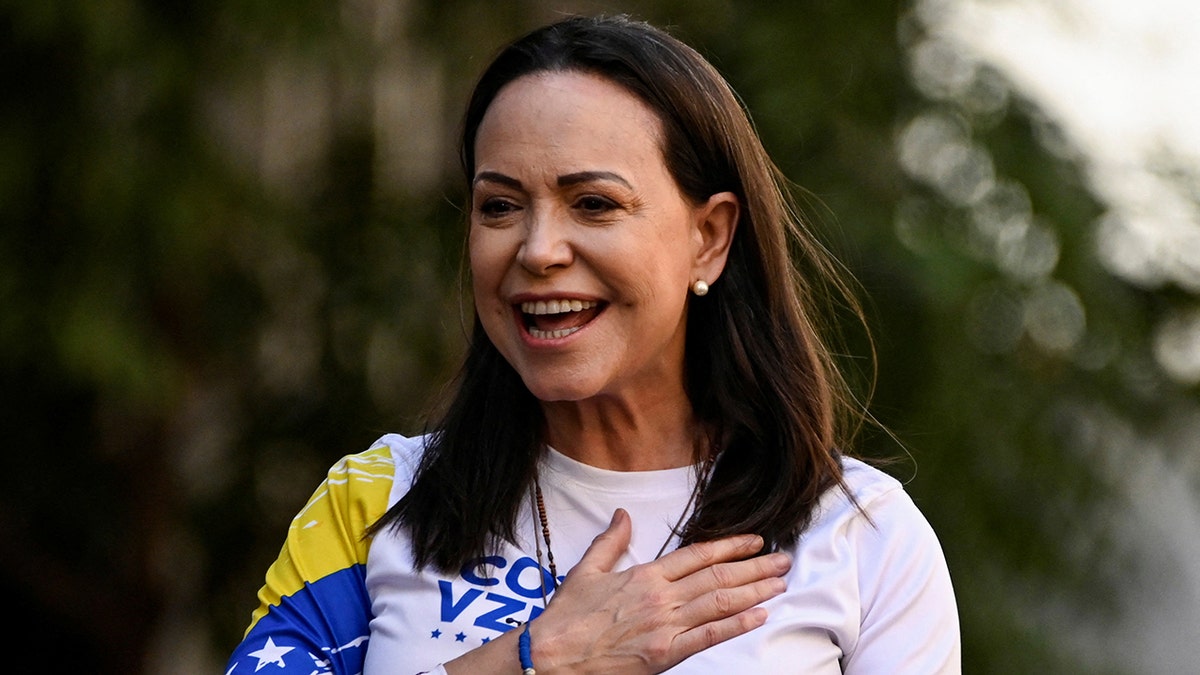
The meeting between French President Emmanuel Macron and Venezuelan opposition leader María Corina Machado isn't just another diplomatic photo op. It’s a high-stakes signal sent at a time when Venezuela’s future is being redrawn by force and diplomacy alike. While the world's attention has been glued to the dramatic US military intervention that ousted Nicolás Maduro in January, the real work of building a functioning state is happening in rooms like those at the Élysée Palace.
Macron’s decision to host Machado on Monday, April 13, 2026, highlights a shift in how Europe views the Venezuelan crisis. They're moving past the shock of the US capture of Maduro and toward the messy reality of what comes next.
Macron is Picking a Side in the Post-Maduro Power Struggle
France has long tried to play the role of the "balanced" mediator in Latin American affairs. But this meeting shows that Macron is firmly backing Machado and the 2024 election results. During their talks, Macron was clear about his support for a transition that "respects the will of its people." In plain English, that means he recognizes the mandate Machado and Edmundo González Urrutia claim from the July 2024 elections.
This isn't just about being "pro-democracy." It’s about who actually has the legitimacy to lead a transition. Right now, Venezuela is a jigsaw puzzle of competing authorities. You have Delcy Rodríguez acting as interim president in Caracas, backed by the remnants of the old guard. You have Edmundo González, whom the US and others recognize as the winner of the 2024 vote. And you have Machado, the 2025 Nobel Peace Prize winner, who is arguably the most popular political figure in the country despite being barred from office by the old regime.
By giving Machado the red-carpet treatment in Paris, Macron is telling the world—and the interim government in Caracas—that Europe won't accept a transition that sidelines her. It’s a direct challenge to Delcy Rodríguez, who has recently threatened that Machado must "answer" for her support of the US intervention if she returns to the country.
The Nobel Prize and the Shield of International Recognition
Machado has been outside Venezuela since December 2025, when she traveled to collect her Nobel Peace Prize. Since then, her "exile" has turned into a diplomatic tour. Paris was the latest stop, with Madrid coming up next.
This international visibility is her greatest weapon. Honestly, it’s probably the only thing keeping her safe from immediate arrest by the interim authorities in Caracas. Jorge Rodríguez, the president of the Venezuelan legislature, recently hinted that Machado wouldn't be covered by new amnesty laws because she supported "foreign intervention."
Macron’s meeting serves as a protective shield. It’s a way of saying, "The world is watching what you do to her." If the interim government wants any hope of European investment or the lifting of remaining sanctions, they can't touch Machado.
Why This Matters to You Even if You Aren't in Caracas
You might wonder why a meeting in Paris should matter to anyone outside of a diplomat's office. It matters because Venezuela is the ultimate test case for a new kind of "managed" regime change in 2026.
The US military operation in January was a shock to the system. It broke the stalemate but left a power vacuum that's currently being filled by whoever can shout the loudest or hold the most territory. Macron and Machado are trying to ensure that the "road to reconstruction" isn't paved with more violence or a different kind of autocracy.
The strategy they discussed involves three specific phases:
- Stabilization: Getting the lights back on and the oil flowing under a recognized authority.
- Reconstruction: Rebuilding the institutions like the National Electoral Council (CNE) that were gutted under Maduro.
- Transition: Holding new, truly free elections where Machado and others can actually run.
The Problem of the Returning Hero
Machado has announced she plans to return to Venezuela in the coming weeks. That’s a massive gamble. The current leadership in Caracas, specifically Interior Minister Diosdado Cabello, has been anything but welcoming. Cabello has even gone on TV to mock her, promising a "surprise" upon her arrival.
Macron’s involvement is an attempt to negotiate a "safe passage" for that return. Without a leader of Machado’s stature on the ground, the opposition risk becoming a government-in-exile that loses touch with the people. If she can't go back safely, the democratic transition Macron keeps talking about is just a pipe dream.
What Happens Next
The Paris meeting sets the stage for a very tense few months. Machado is heading to Madrid next for a massive rally at the Puerta del Sol. Expect her to continue hammering the same message she gave Macron: Venezuela’s future can't be decided by a US capture or a Chavista interim government alone.
If you’re following this story, watch for these three things:
- Amnesty Negotiations: See if the interim government expands their amnesty laws to specifically include Machado and her supporters.
- The Voter Registry: Machado’s team is already working on cleaning up the voter rolls. This is the "boring" work that actually wins elections.
- The EU’s Official Stance: Watch if other European leaders follow Macron’s lead and host Machado. If they do, the pressure on Caracas will become unbearable.
Don't expect a quick fix. Rebuilding a country from the ground up while its former leader is in a US jail cell is messy. But the Macron-Machado alliance shows that there's a serious attempt to make sure the "new" Venezuela doesn't look exactly like the old one.
Keep an eye on the news coming out of Madrid this weekend. Machado’s next moves will determine if she’s returning to Venezuela as a leader or as a prisoner.