Fire moves fast. You don't have time to hesitate when the hills around you start glowing orange.
When a sudden brush fire erupts near dense residential zones and cultural landmarks like the Getty Center, the panic is instantaneous. You pack your pets, grab whatever irreplaceable documents are within arm's reach, and hit gridlocked asphalt. But behind the chaos of flashing emergency lights and choking smoke, a massive operational shift is quietly saving lives. Fire crews are getting much better at boxing in flames before entire neighborhoods turn to ash. If you liked this piece, you should read: this related article.
Mandatory evacuation orders around the Getty Center and surrounding West Los Angeles communities were recently lifted as hundreds of firefighters finally gained the upper hand on a aggressive wind-driven blaze. Residents were allowed back into their homes, but the sigh of relief came with a heavy dose of lingering anxiety. Wildfire season doesn't care about calendar months anymore. It happens whenever the brush is dry and the wind howls.
The Reality of Fighting Fires in the Urban Interface
Living on the edge of the Santa Monica Mountains means living with a constant trade-off. You get dramatic views, canyon breezes, and immediate proximity to nature. You also get a front-row seat to extreme fire behavior. For another angle on this story, see the latest coverage from NPR.
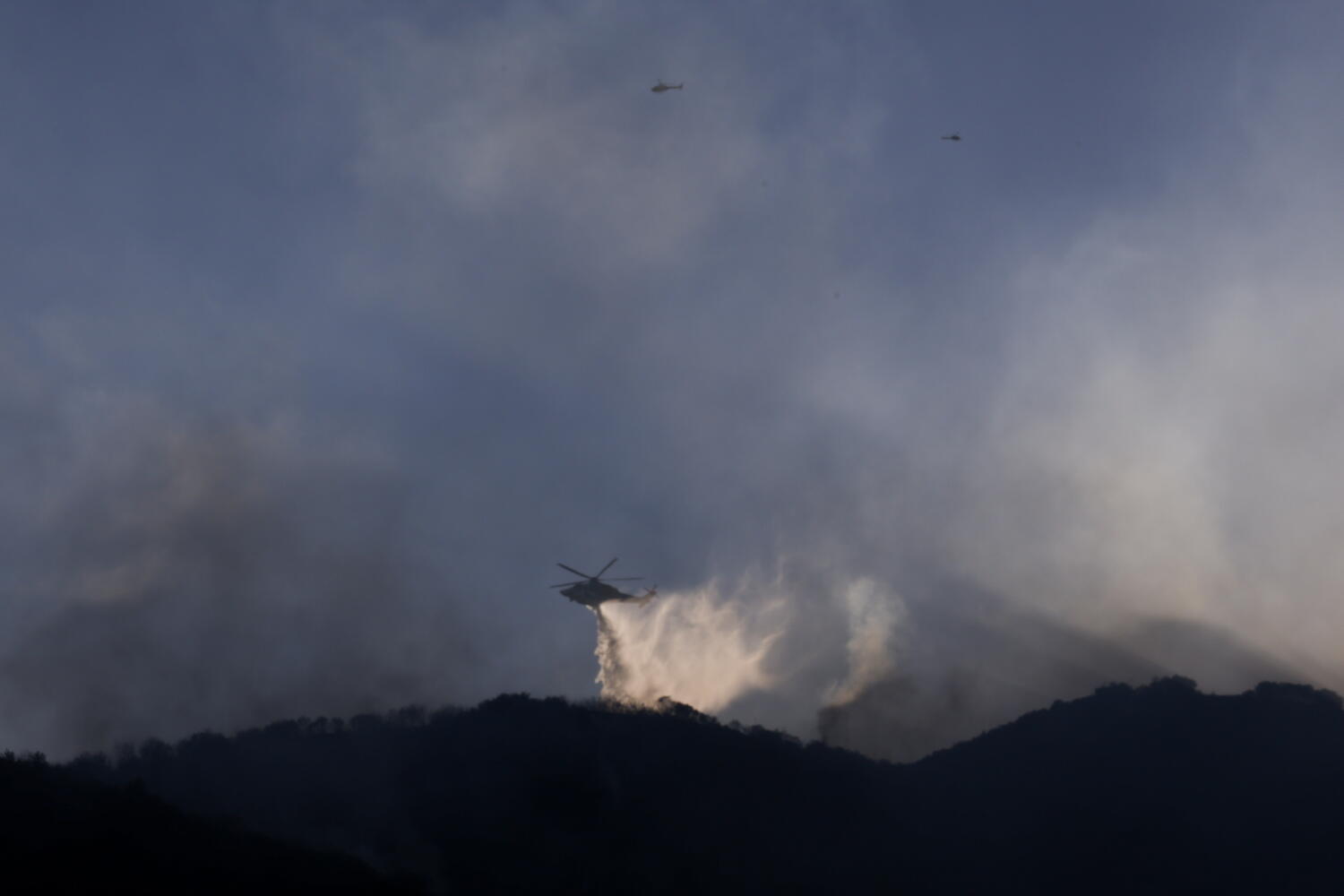
When a blaze breaks out in steep canyons, traditional firefighting tactics fall apart immediately. Ground crews can't climb a vertical cliff face covered in dry chaparral while wind gusts push flames at twenty miles per hour. That's why aerial support is non-negotiable. Helicopters and fixed-wing super-scoopers dropping thousands of gallons of water and retardant make all the difference between a contained acre and a neighborhood-wide disaster.
Museums and cultural institutions like the Getty Center are built like fortresses against these exact scenarios. They feature specialized brush clearance zones, thick concrete walls, double-paned dual-pane windows, and internal air filtration systems designed to keep smoke out. Standard residential homes don't have multi-million-dollar defense budgets. That puts the burden squarely on municipal response times and individual homeowners who cleared their defensible space.
What Actually Works When Orders Come Down
If you've never had a sheriff knock on your door and tell you to leave in five minutes, you don't know the paralysis that sets in. People freeze. They look for photo albums they haven't opened in a decade.
Real preparation isn't about packing your entire life into a sedan. It's about ruthless prioritization.
- Keep the tank full: Never let your car drop below half a tank during high-risk red flag warning days. Gas stations lose power when the grid fails.
- Digitize everything: Stop wasting precious minutes grabbing paper files. Scan your deeds, passports, and insurance documents to a secure cloud drive.
- Understand the triggers: Mandatory means go now. Warning means pack your bags and stage your car facing out of the driveway. Do not wait for a second warning.
- Harden your perimeter: Clean your gutters weekly during dry spells. Embers travel miles ahead of the actual fire front and ignite dry leaves trapped in roof corners.
Why Evacuation Zones Are Expanding Faster
Incident commanders face impossible choices when deciding who leaves and who stays. Air quality drops to toxic levels hours before flames arrive. Evacuation maps used to be broad, clumsy polygons drawn on paper maps. Today, emergency management relies on hyper-local geofenced alerts sent straight to cell phones.
This precision keeps traffic moving. It prevents looters from entering empty zones too early. Yet, it also causes confusion when one side of a street is ordered to evacuate while the other side is told to shelter in place.
Fire behavior is inherently chaotic. Shifts in wind direction can turn a safe zone into a trap within minutes. When crews managed to build containment lines around the recent Westside threat, it wasn't because luck smiled on the city. It was the result of coordinated strike teams working twenty-four-hour shifts, cutting firebreaks through brutal terrain, and pre-positioning assets before the first spark touched dry timber.
The smoke clears eventually. The helicopters head back to base. But the hills remain dry, the Santa Ana winds will blow again next week, and the cycle starts right back up. Stay alert, keep your go-bag packed, and pay attention to local alerts before the hills start talking to you.