The recent confirmation by the French Ministry of Foreign Affairs that two French directors have been held in Togo since July 27 marks a grim shift in the operational environment for foreign media in West Africa. While officials in Paris maintain a posture of diplomatic monitoring, the reality on the ground in Lomé suggests that this is no longer merely a bureaucratic dispute over visas or filming permits. It is a calculated signal.
For years, the relationship between France and several capitals in the Sahel and the Gulf of Guinea has soured. The narrative of a declining partnership often centers on military withdrawals or shifts in security alliances. Yet, the targeting of journalists reveals a more granular form of state pressure. When authorities move to detain media workers—whether local investigators or foreign crews—they are testing the limits of international accountability.
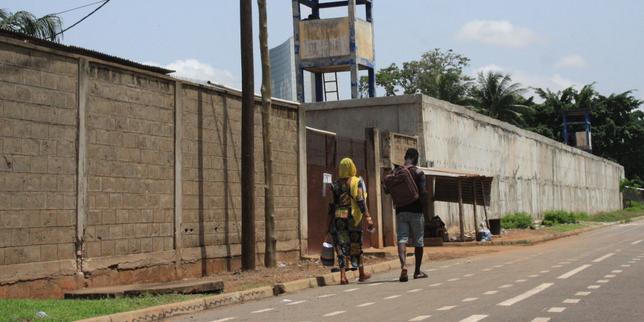
The two French nationals, currently caught in an information inquiry for alleged irregularities regarding their travel documents, were reportedly filming in the northern reaches of the country when they were apprehended. This region has become increasingly sensitive as regional security threats mount. By framing their presence as an issue of documentation or potential espionage, the state effectively removes the incident from the realm of press freedom and places it into the opaque sphere of national security.
This tactic is not an isolated phenomenon. History provides a clear trajectory for such actions. In April 2024, another French journalist, Thomas Dietrich, was detained, mistreated, and subsequently expelled after attempting to secure accreditation. These events share a common denominator: the intentional friction created when investigative lenses turn toward domestic political landscapes. When a government feels vulnerable, the foreign journalist becomes a convenient lightning rod for broader anti-French sentiment or a tool to project strength against perceived external interference.
Observers often characterize these tensions as a simple breakdown in diplomacy, but that assessment misses the functional aspect of the suppression. It is a form of information control. By making the cost of entry—both legal and physical—exorbitant, the state ensures that only the most sanitized or compliant narratives emerge from its borders. The message to the international community is clear: scrutiny comes with a price tag that includes legal harassment or detention.
The risk for Togo, however, is that this strategy is self-defeating. A modern state seeking stability cannot thrive in a vacuum of transparency. When the only information available about a nation is filtered through state-controlled channels or gathered by journalists working under the constant threat of arrest, the resulting information void is inevitably filled by speculation and external criticism.
Consider a hypothetical example to illustrate this mechanics. If a government restricts access to a rural zone experiencing a localized security crisis, it does not prevent news of that crisis from leaking. Instead, it invites external actors to rely on less reliable, secondary sources, which often leads to more sensationalist reporting than if a professional journalist had been allowed to provide an objective account. Silence rarely serves the state; it merely deepens the mistrust.
Paris finds itself in a precarious position. The Quai d’Orsay must balance the duty to protect its citizens with the reality that vocal intervention can sometimes be weaponized by local regimes to confirm their own domestic anti-colonial narratives. However, silence is interpreted as weakness. The ongoing detention of these two directors confirms that the old diplomatic playbooks are failing. The era where a call from the embassy could resolve such entanglements is disappearing, replaced by a climate where regional actors prioritize their own internal legitimacy over long-standing diplomatic traditions.
As the legal proceedings unfold in Lomé, the focus will remain on the specific allegations against the detainees. Behind the technicalities of visa codes and filming permits lies the wider erosion of the common space where journalism, diplomacy, and sovereignty once coexisted. The detention of these two men is not just about two individuals; it is about the narrowing boundaries of acceptable inquiry in a region where the act of reporting is increasingly treated as an act of hostility.
The situation remains fluid, with calls for their release mounting from various advocacy groups. Yet, the systemic nature of these arrests suggests that until the underlying tensions between domestic governance and independent observation are addressed, the cycle of detention and diplomatic friction will likely persist.
This video provides an overview of the ongoing situation regarding the detained French journalists and the context of their arrest.
http://googleusercontent.com/youtube_content/1