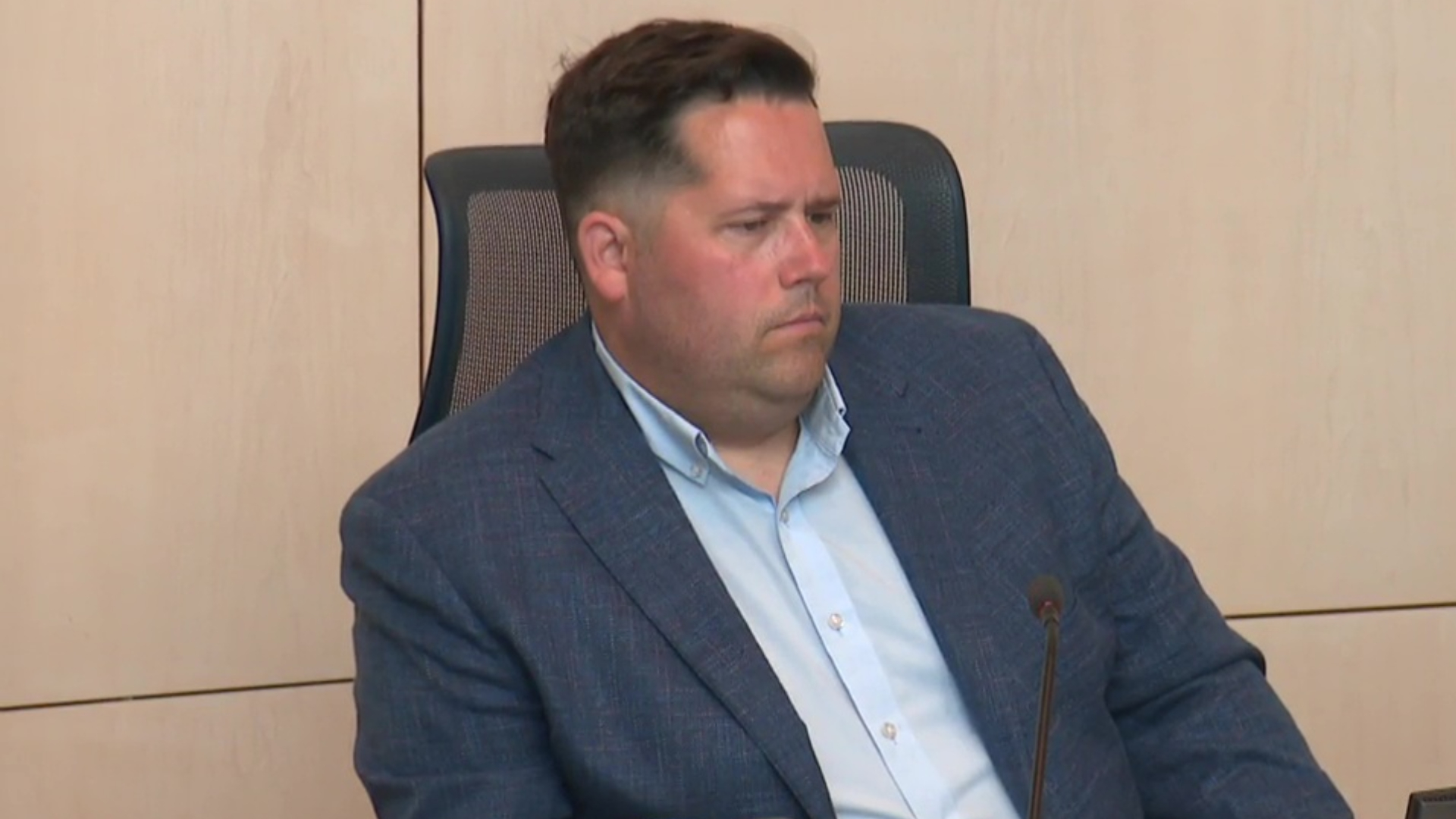
Edmonton City Councillor Michael Janz wanted to talk about global human rights. Instead, his social media posts left a trail of local division, prompting an explosive confrontation with his own constituents and highlighting a structural flaw in modern local governance. The friction points to a deeper systemic crisis: municipal politicians are increasingly abandoning the quiet, unglamorous work of local administration to act as self-appointed digital commentators on global affairs.
This is not a localized incident. It is a symptom of a broader shift where municipal councils are becoming proxy battlegrounds for international conflicts. When a local representative uses their platform to amplify unverified geopolitical claims, they do not shift foreign policy. They alienate the very communities they were elected to unite.
The Instagram Story That Shattered Civic Peace
The immediate crisis began when Janz re-shared a post on his Instagram stories. The graphic made a staggering statistical claim, asserting that a newborn baby anywhere in the world was statistically more likely to be killed by Israel than by any other cause.
The backlash was swift.
Stacey Leavitt-Wright, CEO of the Jewish Federation of Edmonton, publicly warned that the post went far beyond political critique. She argued that by spreading highly inflammatory misinformation, Janz was effectively demonizing the Jewish community. This was not a policy disagreement. It was an action that made local citizens feel targeted and unsafe.
Janz quickly deleted the post, but the damage was already done. His colleagues on council were left to manage the fallout.
Mayor Andrew Knack took a cautious but clear stance, noting that while councillors are free to speak, they must hold themselves to a high standard of accuracy. Fellow councillor Mike Elliott went further, arguing that civic politics has absolutely no business wading into international conflicts.
The job of a city councillor is vast, complex, and demanding. It involves managing crumbling infrastructure, balancing multi-million dollar transit budgets, addressing the housing crisis, and maintaining public safety. When politicians divert their energy toward complex international conflicts, they step completely outside their sphere of influence and expertise.
A History of Digital Boundary Testing
To understand this latest flashpoint, one must look at Janz's long history of testing the boundaries of political speech. This is not an isolated error in judgment. It is a consistent political strategy.
+------------------+----------------------------------+---------------------------+
| Year of Incident | Nature of Social Media Activity  | Official Outcome          |
+------------------+----------------------------------+---------------------------+
| 2022             | Retweeted post calling police    | Ruled a breach of the     |
|                  | officers "pigs"                    | Code of Conduct           |
+------------------+----------------------------------+---------------------------+
| 2022             | Accused Chief of Police of       | Cleared of breach        |
|                  | "fearmongering"                  |                           |
+------------------+----------------------------------+---------------------------+
| 2026             | Shared inaccurate Gaza death      | Public backlash; post     |
|                  | statistics regarding infants     | removed by Janz          |
+------------------+----------------------------------+---------------------------+
In 2022, Janz landed in hot water after retweeting a post that referred to police officers as "pigs". Seven formal complaints were filed. Edmonton's integrity commissioner, Jamie Pytel, found that Janz had indeed violated the council code of conduct.
At the time, Janz dismissed the scrutiny. He claimed the code of conduct was being "weaponized" to restrict free speech and silence progressive voices.
This defense reveals a fundamental misunderstanding of the role of an elected official. A city councillor is not a private activist. When they post online, they carry the authority of the municipality. Their words have the power to legitimize or delegitimize public institutions, civil servants, and community groups.
The Illusion of Influence
Why do municipal politicians do this?
Social media algorithms reward outrage. Nuanced debates about property tax hikes do not generate clicks, likes, or retweets. Outrage does. By taking highly polarized stances on global issues, local politicians can elevate their personal brand far beyond their geographic boundaries.
But this brand-building comes at a steep price.
Local governments are designed to be practical. Unlike federal or provincial assemblies, which are structured around partisan ideology, municipal councils exist to deliver tangible services. A pothole does not care about your foreign policy. A broken water main has no ideology.
When council chambers become polarized over issues they cannot control, the consensus required to run a city begins to dissolve.
Politicians who indulge in global virtue-signaling often claim they are acting out of compassion. Yet, their actions offer nothing of substance to those suffering abroad. An Instagram story shared by an Edmonton city councillor will not change the trajectory of a war in the Middle East. It will, however, ensure that neighbors in Edmonton stop talking to one another.
Reclaiming the Integrity of Public Service
The debate over Janz's posts highlights a critical vulnerability in municipal governance. Integrity commissioners can police vulgar language or clear violations of the code of conduct. They cannot police bad judgment.
If municipal leaders do not set boundaries on their public commentary, public trust in local government will continue to erode.
Elected officials must recognize that restraint is a form of leadership. Exercising caution online is not about being silenced. It is about acknowledging the limits of one's mandate. The moment a councillor prioritizes global digital engagement over local accountability, they cease to be a representative of their ward and become a liability to the city they serve.
Cities cannot function when their leaders are constantly managing self-inflicted public relations disasters. The path forward requires a return to the core responsibilities of civic office. Councillors must log off the global stage and focus on the streets, services, and citizens right in front of them.