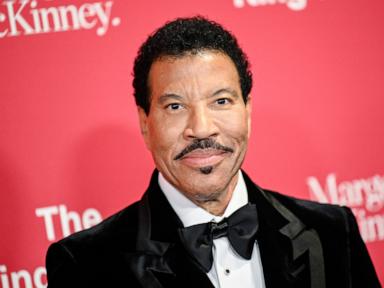
When you have spent decades touring the globe and belting out timeless anthems, slowing down feels like admitting defeat. But for 77-year-old music icon Lionel Richie, hitting the pause button was a physical necessity rather than a career choice. After a series of onstage scares that culminated in a heart procedure, the legendary singer finally listened to what his body had been trying to tell him for months.
Touring at a high level requires the endurance of an athlete, yet the entertainment industry routinely expects aging performers to keep running on fumes. Let's look at what actually happened behind the scenes of Richie's health crisis, how atrial fibrillation impacts performers, and why this reality check matters for aging legends in the spotlight. You might also find this similar article useful: Meet Bakari The 400Pound Silverback Taking Over Animal Kingdom.
The Warning Signs Leading Up to the Procedure
Health crises rarely happen overnight. Months before his official break from touring, Richie's body began issuing unmistakable warning signals during live performances.
Back in June, fans grew concerned when he had to postpone concerts after suddenly falling ill. Things took an even scarier turn during a show in St. Paul, Minnesota, where the singer felt dizzy onstage and had to perform his hit track Dancing on the Ceiling while sitting down. He even joked with the crowd at the time, noting that doing the routine while seated was a bad sign. As extensively documented in latest articles by Reuters, the results are notable.
Instead of taking an extended break immediately, the momentum of the tour pushed forward. That stubbornness caught up with him in August. Following a performance in St. Louis, Richie checked himself into the hospital out of an abundance of caution, spending three days under medical supervision for cardiac testing.
It became crystal clear that masking symptoms with sheer willpower wasn't going to cut it anymore. The medical team diagnosed him and scheduled a heart procedure to address an irregular heartbeat, forcing the cancellation of major upcoming dates with Earth, Wind & Fire.
Understanding Atrial Fibrillation in Older Performers
At the core of Richie's health pause is atrial fibrillation, commonly known as A-fib. It's a condition where the heart beats irregularly and often rapidly, disrupting normal blood flow. Millions of older adults live with it, but managing it under the intense physical demands of a live concert tour is an entirely different beast.
When you step onto a stage under blazing hot lights, adrenaline spikes, and you spend two hours moving, dancing, and projecting your voice, your cardiovascular system goes into overdrive. For someone dealing with A-fib, that kind of physical exertion can trigger severe fatigue, dizziness, and shortness of breath.
Doctors emphasize that while many people lead normal lives with the condition, ignoring the warning signs or skipping recovery time creates unnecessary risks. Richie's decision to undergo the procedure wasn't just about fixing a temporary glitch; it was about protecting his long-term health. When you are pushing late into your seventies, the body simply doesn't bounce back from cardiovascular strain the way it did during the Commodores era.
The Industry Pressure to Keep Performing
The music business has a brutal machine-like mentality. Promoters, venues, and massive fan bases rely on tightly wound tour schedules years in advance. Artists often feel an intense psychological obligation to push through pain because cancelling shows disrupts hundreds of jobs and disappoints thousands of ticket holders.
We have seen this script play out with numerous legacy acts. Icons feel immortal because their music spans generations, but biological limits remain undefeated. Richie's openness about his struggles—joking about needing electrolytes or sitting down when dizzy—reflects a shifting cultural attitude. Fans don't want a performance at the cost of their favorite artist's life. They want them around to enjoy their golden years.
Taking a few months off to undergo a cardiac procedure and recover properly set the right precedent. It proved that stepping back isn't quitting; it's self-preservation.
Making a Strong Comeback on His Own Terms
Recovery didn't mean permanent retirement. Following months of quiet rehabilitation and medical clearance, Richie made his triumphant return to the stage for his Las Vegas residency at the Wynn, reassuring packed crowds that he was back and feeling great.
Addressing his adoring audience, he joked about wanting to throw a week-long celebration for himself before anyone else could. He even poked fun at his own energy levels, playfully grabbing electrolytes after dancing around the stage to prove he still had his trademark showmanship.
With his residency running strong and plans to return to television judging, Richie proved that listening to medical advice actually extended his career rather than ending it.
If there is a broader takeaway from this chapter, it's the importance of listening to physical limits before a crisis forces your hand. Health always comes first, and even legends need permission to rest.