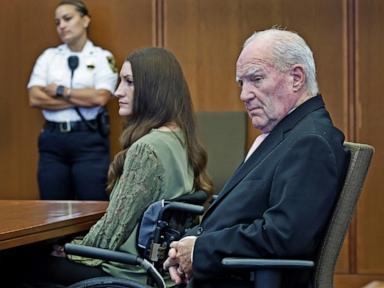
The American legal system just hit a bizarre and unprecedented crossroad. Kevin Reddington, the defense attorney representing Lindsay Clancy, officially asked President Donald Trump to grant a presidential pardon following a dramatic mistrial.
If you've been following this harrowing Massachusetts case, you know ordinary rules stopped applying long ago. Let's break down why this high-stakes pardon request matters, what it means for the upcoming legal battles, and why people are split down the middle.
The Mistrial That Shocked Everyone
After a grueling five-week trial and nearly 40 hours of jury deliberations spread across seven days, the courtroom reached a brick wall. The jury declared they were deadlocked and could not reach a unanimous verdict. The judge declared a mistrial.
Clancy is accused of strangling her three young children—Cora, Dawson, and Callan—in their Duxbury home back in January 2023 before attempting to take her own life. Her defense team has maintained a singular, unwavering argument from day one: she was suffering from severe postpartum psychosis and was legally insane. Prosecutors counter that the actions were calculated, deliberate, and premeditated.
Instead of preparing quietly for a grueling retrial, Reddington took an unorthodox route. He went straight to the executive branch.
Can A President Actually Pardon A State Case?
Here is where legal reality crashes into political theater. Under United States constitutional law, the presidential pardon power applies strictly to federal crimes. A president holds zero authority to pardon someone convicted of a state-level offense.
Clancy's case is being prosecuted by the Plymouth County District Attorney's Office in Massachusetts, making it a state matter.
So why make the request? Experts suggest it's a desperate public relations and pressure tactic. By dragging national politics into a local tragedy, the defense keeps the spotlight fixed squarely on the systemic failures surrounding postpartum mental healthcare. President Trump himself acknowledged the case, calling it a horrible tragedy after the mistrial was declared. Yet acknowledging a tragedy is a million miles away from having the legal jurisdiction to issue a pardon.
What Happens Next In The Courtroom
The legal chess match isn't resting. A second trial looms on the horizon, forcing both sides to gear up for another round of emotional testimony, expert medical witnesses, and grueling cross-examinations.
District attorneys rarely drop charges in high-profile homicide cases, regardless of a mistrial. The prosecution feels immense pressure from the public and the victims' families to secure accountability. Meanwhile, defense attorneys are weighing emergency motions to dismiss based on the unique mental health evidence.
You're looking at a scenario where the justice system is forced to answer a terrifying question. How do you judge a mother whose mind was entirely hijacked by severe medical illness?
The push for a pardon might be a long shot that legally goes nowhere, but it signals a shift. The defense is no longer fighting just inside the courtroom walls. They are taking the fight into the court of public opinion, ensuring this case remains a national lightning rod. Keep your eyes on the upcoming procedural motions, because the battle lines for round two are already drawn.
Lindsay Clancy Trial Defense Attorney Asks Cop About ER Doctor Voices Theory
This video provides a direct look at the courtroom strategies and cross-examinations used by Lindsay Clancy's defense team during the high-stakes proceedings.