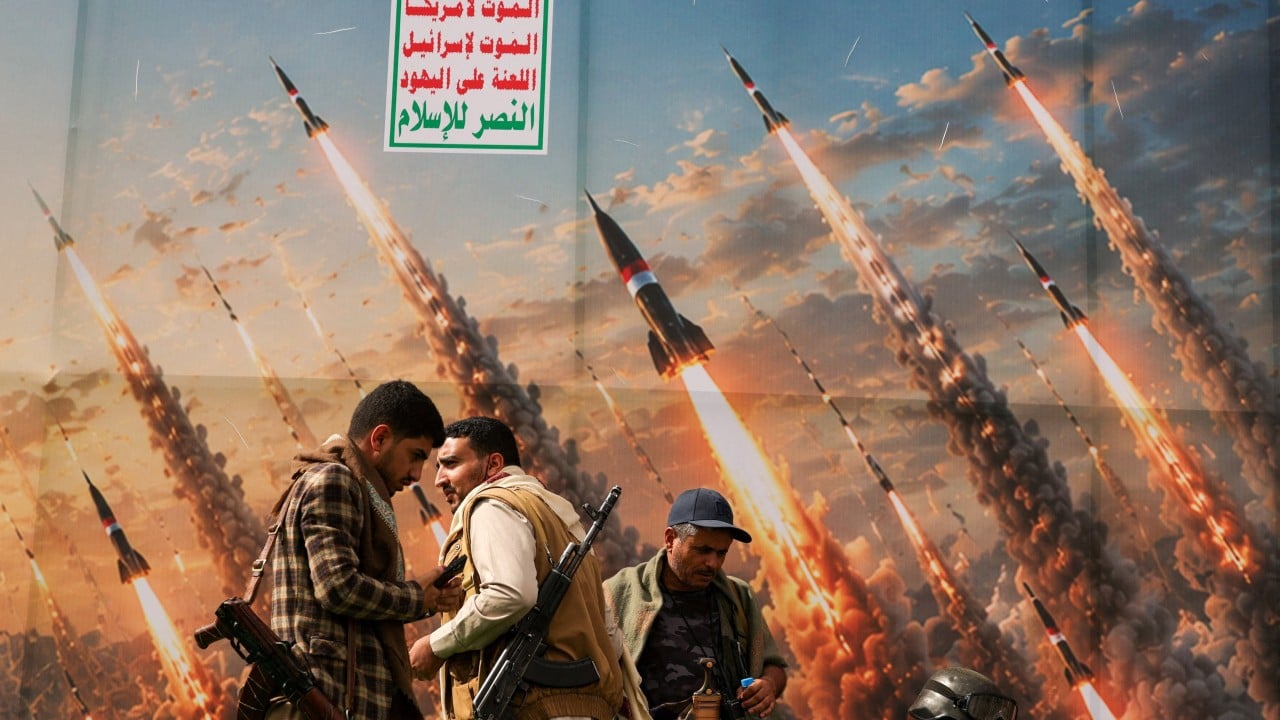
The fragile calm in Yemen just evaporated. When coordinated drone and missile strikes smashed into military camps across Marib and Hadramout provinces, they didn't just cause massive casualties—they tore apart a quiet understanding that had held since 2022. Up to 58 Yemeni government troops died in the carnage, making it the bloodiest single assault on state forces in years.
If you've been watching the region, you know this violence doesn't happen in a vacuum. Cross-border shelling simultaneously struck Saudi Arabia's southern Najran region, wounding 11 civilians, including a four-year-old child. This escalation drags the Arabian Peninsula right back into active conflict, proving that old wars rarely die quietly.
The Anatomy of a Breaking Point
What triggered this sudden bloodbath? Houthi military spokesman Yahya Saree claimed the drone and missile runs were preemptive strikes. According to the group, intelligence pointed toward a heavy Saudi military buildup meant to back a fresh offensive against Houthi positions.
On the ground, the impact was catastrophic. A ballistic missile hit a morning formation at a camp in the al-Ruwaik area of Marib, wiping out clusters of personnel before they even started their day. Medical facilities across the provinces were forced into immediate emergency readiness as the casualty numbers climbed past initial estimates.
Why Cross-Border Shelling Changes the Game
Hitting military installations inside Yemen is one thing, but shelling residential or civilian zones across the border crosses a hard line. Saudi-led coalition spokesman Major General Turki al-Maliki didn't mince words, condemning the indiscriminate shelling in Najran that caught foreign nationals and local citizens alike. Among the injured was a toddler suffering from burns.
This isn't just about local territory anymore. The conflict is fusing rapidly with wider regional tremors. The Houthis have maintained a pressure campaign targeting shipping lanes and economic chokepoints, tying their domestic survival to the broader geopolitical standoff involving Iran and international allies.
What Happens When the Truce Dies
Yemen's defense ministry promised retaliation at the "appropriate place and time," standard phrasing that usually precedes a severe counter-offensive. But retaliation carries a heavy price tag. Years of civil war have already broken the country's infrastructure, displaced millions, and created persistent humanitarian emergencies.
Diplomats are scrambling behind closed doors. Yet, words carry little weight when ballistic missiles are actively tearing through morning drills. The real danger now is a full-scale return to open warfare, pulling regional actors back into a multi-front quagmire with no clean exit strategy. Watch the border regions closely. The next move won't take long.