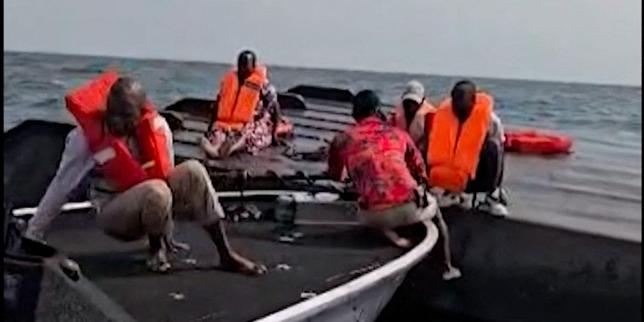
Forty-four lives lost in an instant. The tragic capsizing of a ferry on Lake Kariba stands as a stark reminder of a deadly reality unfolding on African inland waterways. When an overloaded vessel goes down in deep waters, the public shock is immediate. Yet, the systemic failures that cause these disasters are entirely predictable.
You hear about the tragedy, shake your head, and move on with your day. But the families left behind deal with the void. Worse, maritime experts watch these accidents happen again and again, knowing every single safety rule written in blood was ignored.
Let's look at what actually went wrong on Lake Kariba, why passenger safety on regional ferries remains an afterthought, and what changes must happen before the next catastrophe strikes.
The Grim Reality of Lake Kariba Ferry Accidents
Lake Kariba is massive. It's the world's largest artificial reservoir by volume, stretching across the border between Zimbabwe and Zambia. It's an economic lifeline. Fishermen, traders, and families rely on ferries to cross its expansive, unpredictable waters.
That reliance creates a dangerous vulnerability.
When demand surges, capacity limits vanish. Operators look at a crowd of waiting passengers and see revenue instead of human lives. Boats designed for a specific tonnage take on double or triple that weight. Lifejackets become rare luxuries rather than mandatory safety equipment.
The ferry tragedy that claimed at least 44 lives wasn't an act of God. It was a failure of management, oversight, and basic maritime discipline. Storms on Lake Kariba whip up fast. Sudden, violent winds turn calm water into a churning graveyard for vessels that lack stability.
Why Overloading Continues Unchecked
Corruption and desperation drive the safety crisis on inland waters. Local communities need transport. When official, well-maintained vessels are scarce, unregulated boats step in to fill the gap.
Operators know the risks. Passengers know the risks, too. But when you need to get to the market or visit family, you take the boat that's available. You don't ask to see safety inspection certificates. You just climb aboard and hope for the best.
Governments talk a good game after a disaster occurs. They promise tighter regulations, more patrols, and heavy penalties for rule-breakers. Those promises fade away within weeks.
- Ports lack the staff to inspect every vessel.
- Bribes easily bypass weight limits.
- Owners face minimal consequences when boats sink.
Real Solutions Require Brutal Honesty
Fixing this mess requires more than temporary outrage. Authorities need to treat passenger safety on lakes and rivers with the same seriousness as commercial aviation.
First, independent inspectorates must monitor departure points. If a vessel sits lower in the water than its safety mark allows, it stays docked. No exceptions. No political interference.
Second, affordable alternative transport must expand. People overload dangerous ferries because safe options are either too expensive or nonexistent. Subsidizing reliable, certified marine transport saves lives in the long run.
Finally, maritime authorities need to enforce strict accountability for vessel owners. When negligence causes deaths, prison sentences and permanent revocation of operating licenses should follow immediately.
Lake Kariba should be a highway for commerce and community, not a watery grave. Until authorities stop treating these disasters as freak accidents and start treating them as preventable crimes, the death toll will only keep climbing.