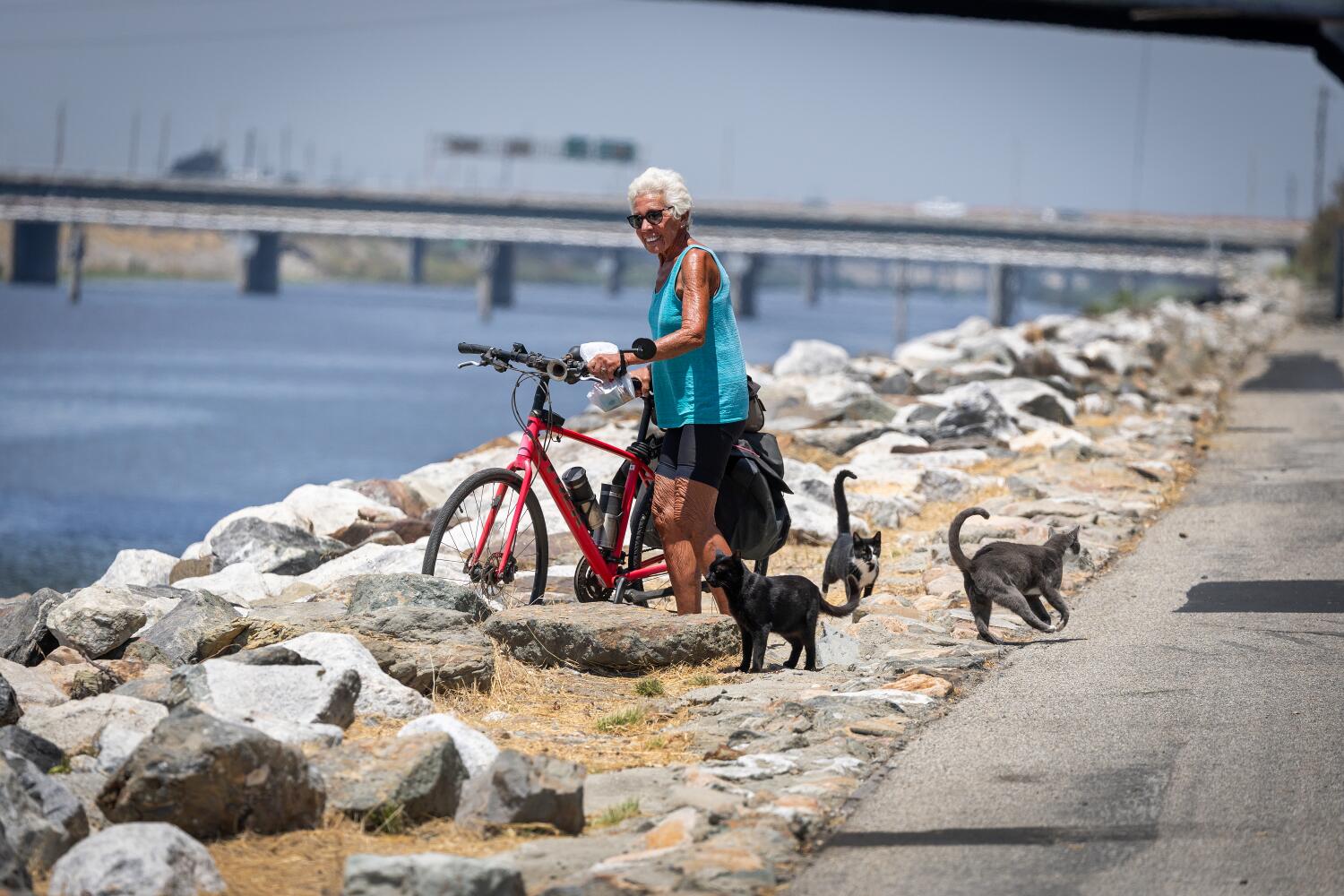
Imagine trying to ride a bicycle from the San Fernando Valley to Long Beach, only to hit an eight-mile brick wall of concrete, heavy rail lines, and endless bureaucracy right through downtown Los Angeles. That is the reality of the missing link in the LA River bike path. What started back in 2016 as an optimistic campaign promise backed by Measure M has ballooned into an administrative nightmare. The estimated price tag has skyrocketed past the one billion dollar mark. Construction hasn't even started yet.
If you live here, you already know how dangerous cycling in Los Angeles can be. Between 2020 and 2024, the city logged thousands of bike accidents, resulting in dozens of fatalities. Closing the central gap along the Los Angeles River was supposed to fix this by creating a continuous thirty-two-mile active transportation corridor. Instead, it has become a masterclass in how major infrastructure projects stall out in Southern California. If you found value in this article, you should read: this related article.
How a Reasonable Project Spiraled Out of Control
Back when voters overwhelmingly approved the half-cent sales tax hike under Measure M, the central river segment was budgeted at roughly $365 million. It sounded achievable. But the scope shifted dramatically over the years. Planners expanded the vision from a single-bank path into a dual-bank system with paths on both sides of the water, widened the trail up to twenty feet to handle mixed user groups, and added new structural bridges.
Building along a concrete flood control channel isn't like painting a green stripe down a suburban street. You are dealing with active freight and passenger rail lines hugging the banks, steep embankments, and tight property rights. To protect infrastructure like nearby freeways and prevent erosion, engineers have to design heavy retaining walls. Factor in steep inflation, labor shortages, and massive contingency funds required by federal and local guidelines, and the budget swelled to roughly $1 billion to $1.2 billion. For another perspective on this story, check out the latest coverage from USA Today.
That works out to an eye-watering cost per mile. Critics from local think tanks and transit blogs point out that you could build heavy rail extensions or resurface hundreds of miles of decaying local streets for that kind of money. When a single mile of active transit path approaches the cost of complex subterranean engineering, taxpayers have every right to ask where the money is actually going.
The Hot Potato Game of Maintenance
Money is only half the battle. The bigger roadblock is figuring out who is going to take care of the path once the contractors pack up their tools.
LA Metro is leading the design and environmental review phases. Yet, Metro has made it clear they do not want to handle long-term operations and maintenance on land they don't own. Meanwhile, the city and the county are hesitant to accept ownership without dedicated, long-term funding streams for upkeep.
This leaves the project caught in a bureaucratic stalemate. Agencies toss the responsibility back and forth like a hot potato. Without a clear operational agreement locked down early in the planning pipeline, projects stall out in endless environmental impact reports and public hearings. Metro released its draft environmental impact report recently, keeping public debate alive, but actual completion dates have slipped well into the next decade.
What This Means for Local Mobility
If you are a commuter hoping for a safe, car-free route through Chinatown, the Arts District, and Boyle Heights anytime soon, do not hold your breath. You will keep navigating messy surface streets, dodging traffic, and taking circuitous detours.
The debate over the billion-dollar bike path exposes a deeper structural flaw in how regional transit gets prioritized. When visionary goals collide with inflated costs and fragmented jurisdiction, the public loses trust. If Los Angeles wants to hit its active transportation goals, future projects need rigid cost controls, streamlined environmental reviews, and single-agency accountability from day one. Until local leaders fix the underlying system, grand promises will keep yielding very expensive delays.
:max_bytes(150000):strip_icc()/ar-American-Cheese-taste-test-horizon-4x3-54cc339550cd44b9a818c17bdfd5428d.jpg)