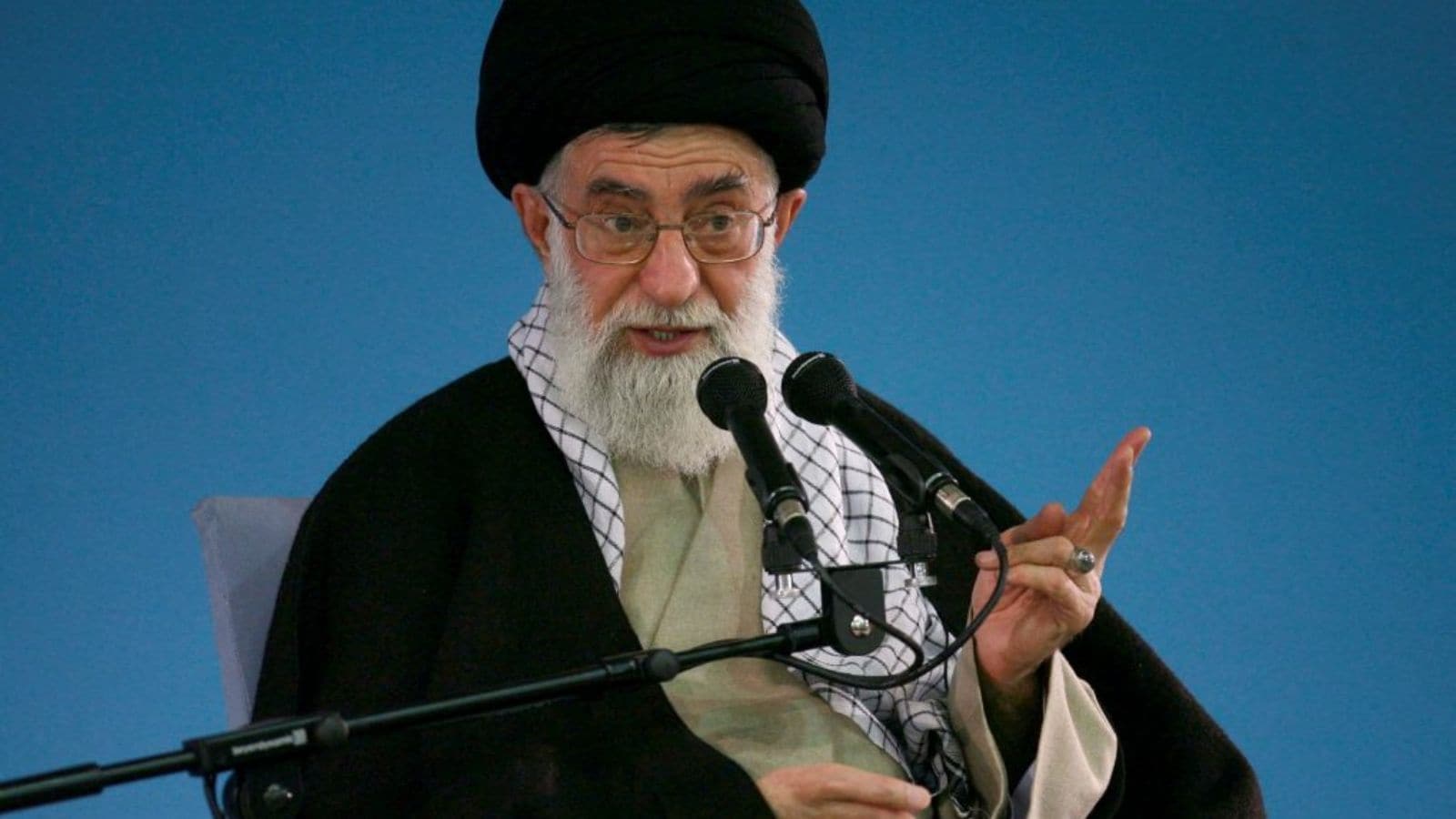
Iranian President Masoud Pezeshkian just tossed a massive diplomatic wildcard straight at New Delhi. He formally invited Indian Prime Minister Narendra Modi to attend the multi-day state funeral of Iran's late Supreme Leader, Ayatollah Seyyed Ali Khamenei. It is a massive deal.
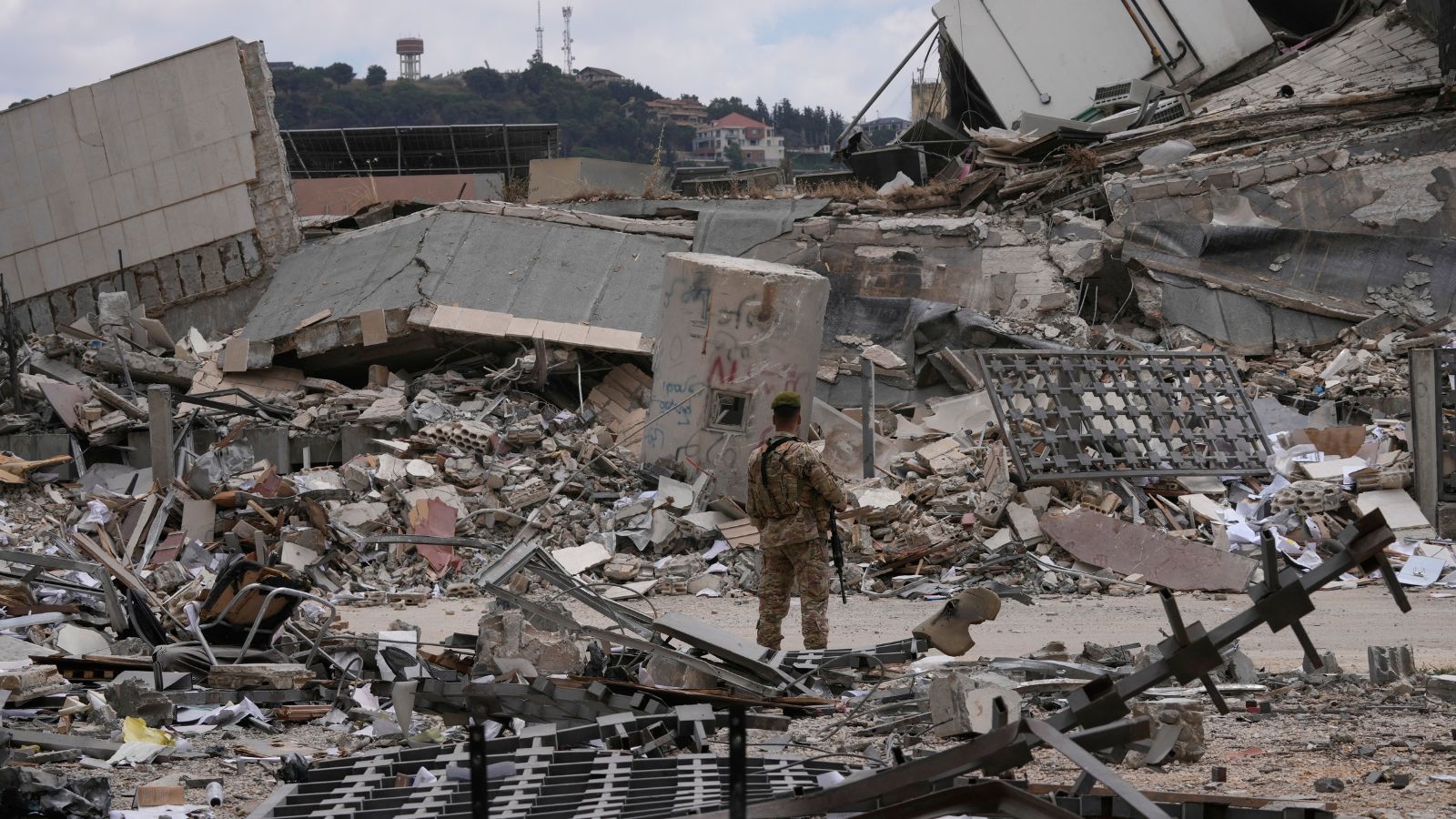
Khamenei was killed back on February 28 during those intense, joint US-Israeli airstrikes on Tehran that shook the entire globe. Because of the sheer chaos and the war that followed, the regime put off the burial for months. Now that a fragile peace deal is finally cooking between Washington and Tehran, Iran is ready to put its longest-serving leader to rest. The rituals are set to stretch from July 4 to July 9, ending in the holy city of Mashhad.
New Delhi is completely silent so far. They haven't said yes, and they haven't said no. It is the ultimate geopolitical headache for a leader who prides himself on keeping everyone happy.
The Messy Politics of a Delayed Burial
Islamic tradition is pretty clear about death. You are supposed to bury the deceased almost immediately, usually within 24 hours. Iran broke its own religious norms here, keeping Khamenei's body on ice for over four months. Why? Because Tehran was a war zone. The regime simply could not guarantee the safety of visiting dignitaries while American and Israeli jets were actively buzzing the skies.
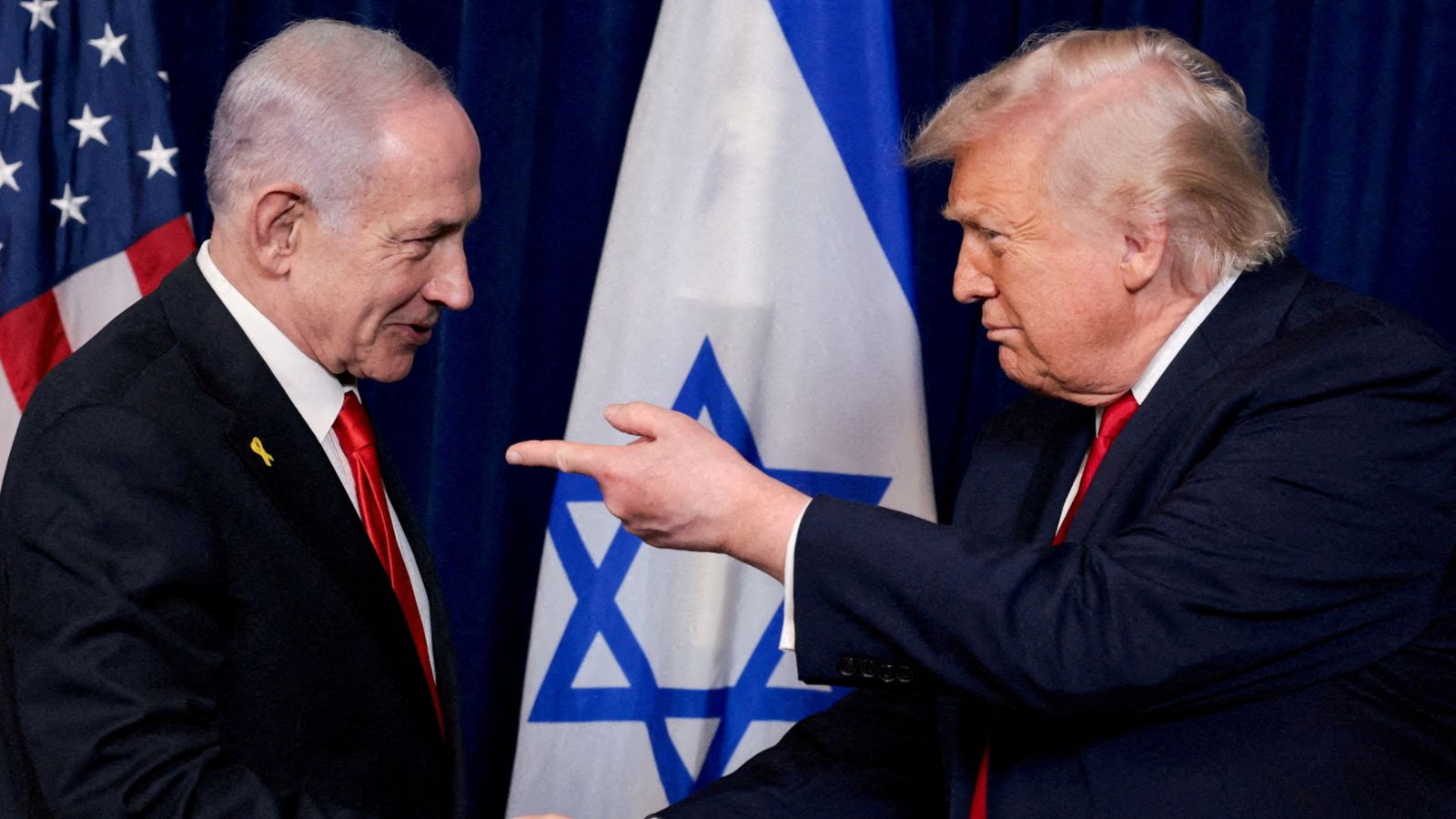
Now, things look slightly different. President Pezeshkian and US President Donald Trump signed those digital MoUs in Switzerland, calming down the global energy crunch. With the immediate threat of annihilation paused, Tehran wants to put on the biggest show of strength the Middle East has seen in decades. They are predicting nearly 20 million people will flood the streets of Tehran, Qom, and Mashhad. If those numbers hold up, it will easily shatter the record set during Ayatollah Khomeini's funeral back in 1989.
For Iran, this is not just a funeral. It is a massive PR campaign meant to project absolute stability to the rest of the world. They want to show that the Islamic Republic survived a decapitation strike and is still standing tall. By inviting a major global player like PM Modi, Tehran is trying to signal that it is not isolated, no matter how hard the West tries to push it into a corner.
Walking the Diplomatic Tightrope
You have to look at the sheer awkwardness of India's position here. PM Modi has spent the last decade building an incredibly close, almost unprecedented relationship with Israel. He was the first Indian prime minister to visit Tel Aviv. New Delhi depends heavily on Israeli military tech and intelligence. Turning around and attending the state funeral of Israel's ultimate arch-nemesis—a man killed by Israeli bombs—looks terrible on camera. It would infuriate Benjamin Netanyahu's government.
Then there is Washington to think about. Trump's administration might be talking peace with Tehran right now, but they still view Iran as a primary threat. If Modi flies into Tehran to mourn Khamenei, it will definitely raise some eyebrows in the White House.
Yet, India cannot just ghost Iran.
Foreign Secretary Vikram Misri already did the quiet diplomatic groundwork by visiting the Iranian Embassy in New Delhi to sign the condolence book. External Affairs Minister S. Jaishankar has been on the phone with his Iranian counterpart, Seyed Abbas Araghchi. India is doing everything it can to show respect without making a flashy public commitment. But an invitation directly to the Prime Minister forces a choice. You either show up or you send a proxy.
Why India Cannot Simply Say No
Let's talk about why India cares about Iran in the first place. It comes down to two words: Chabahar Port.
India has poured millions of dollars into developing this specific Iranian port. It is New Delhi's golden gateway to Central Asia and Russia, completely bypassing Pakistan. If India cuts ties or deeply offends Tehran, that massive strategic investment goes up in smoke. India needs Iran to counter China's growing footprint in the region, especially since Beijing has been funding the competing Gwadar Port just a few miles away in Pakistan.
There is also the energy factor. India is a thirsting economy. It needs oil, and it needs it cheap. While western sanctions stopped India from buying Iranian crude out in the open, the recent Swiss peace talks mean those taps could open up again soon. Giving Iran the cold shoulder right now would be bad business.
Pakistani Prime Minister Shehbaz Sharif has already confirmed he is going to the funeral. If Pakistan gets a front-row seat to Iran's next chapter while India stays home, New Delhi loses serious diplomatic leverage in its own backyard.
Behind the Velvet Curtain in Tehran
The situation inside Iran right now is incredibly weird. Officially, Khamenei's 56-year-old son, Mojtaba Hosseini Khamenei, took over the reins as Supreme Leader on March 8. But the rumor mill in Washington is spinning at top speed. Figures like Marco Rubio and Pete Hegseth have openly claimed that Mojtaba is currently in a deep coma, hidden away from the public. He did not even show up to the main memorial service back in April.
This means PM Modi wouldn't just be attending a funeral; he would be stepping into a political minefield where nobody truly knows who is running the country. If the new Supreme Leader is incapacitated, the Islamic Revolutionary Guard Corps (IRGC) is likely pulling the strings behind the scenes.
The Iranian public itself is deeply split. When the news of Khamenei's death broke in March, videos leaked showing people celebrating in cities like Isfahan and Shiraz. Statues were toppled. The regime had to use brute force to keep a lid on things. If Modi goes, he risks aligning India's brand with a regime that many of its own citizens are desperate to escape.
The Pragmatic Playbook for New Delhi
So what should India actually do? History gives us a pretty good roadmap here.
When foreign leaders of controversial states die, India rarely sends the Prime Minister. When Iranian President Ebrahim Raisi died in a helicopter crash last year, India sent Vice President Jagdeep Dhankhar. It sends a message of formal, state-level respect without giving the political validation that comes with a prime ministerial visit.
Modi should absolutely skip the July 4 ceremonies. Sending a high-level delegation led by the Vice President or a senior cabinet minister allows India to keep its hands clean while keeping the Chabahar Port deal alive. It satisfies the bureaucratic need for diplomacy without breaking the vital ties India has spent years building with Washington and Tel Aviv.
If you are tracking this situation, watch the official announcements from the Ministry of External Affairs over the next few days. The exact rank of the official India sends to Tehran will tell you everything you need to know about where New Delhi sees its future alliances lying. Expect a quiet, calculated decision that prioritizes Indian economic survival over grand geopolitical statements.