The panic button is getting a workout in corporate boardrooms across British Columbia. With the calendar flipping to late June 2026, the July 1 deadline for the first mandatory joint review of the Canada-United States-Mexico Agreement (CUSMA) is exactly one week away.
If you think this is just a routine bureaucratic check-in, you aren't paying attention to Washington.
When the trade deal took effect in 2020, it introduced a six-year "sunset clause". All three nations must state in writing whether they want to extend the pact for another 16 years. Ottawa wants a clean, quiet extension to protect local supply chains. The White House, under the Trump administration, has other ideas. American trade lawyers are making it clear that Washington views this checkpoint as an opportunity for a wholesale renegotiation. If Canada and Mexico don't play ball, the U.S. is threatening to walk away entirely.
For B.C. exporters, the stakes are massive. The U.S. buys the overwhelming majority of B.C. exports, and local industries are completely exposed. While politicians trade talking points, business owners are left trying to plan for a future where the rules of the game might change overnight.
The Three Roads Coming on July 1
Let's clear up a major misconception right away. The trade deal won't instantly evaporate on July 1 if things go sideways. According to Article 34.7 of the agreement, three clear paths exist for how this review plays out over the summer:
- The Clean Extension: All three countries confirm their intent to keep the current deal rolling. This would push the trade horizon out to 2042 and restore instant stability. Right now, this is the least likely outcome.
- Extension with Amendments: The base case scenario for most bank economists. The nations agree to a 16-year extension but only after Canada makes painful concessions on key American trade irritants.
- The Annual Review Grind: If even one country refuses to sign the extension, the deal doesn't die. Instead, it enters a zombie state. CUSMA remains legally binding until its original 2036 expiration date, but the three nations must meet for stressful, combative reviews every single year.
The annual review track is what gives B.C. companies heartburn. It means a decade of permanent instability. It kills long-term capital investment because no one wants to build a new factory or buy heavy equipment when tariff exemptions could vanish twelve months later.
The Sectors Caught in the Crosshairs
The Office of the United States Trade Representative dropped its National Trade Estimate report earlier this spring, and it reads like a direct hit list for Canadian commerce. B.C. companies are vulnerable in three specific areas.
Forestry and Softwood Lumber
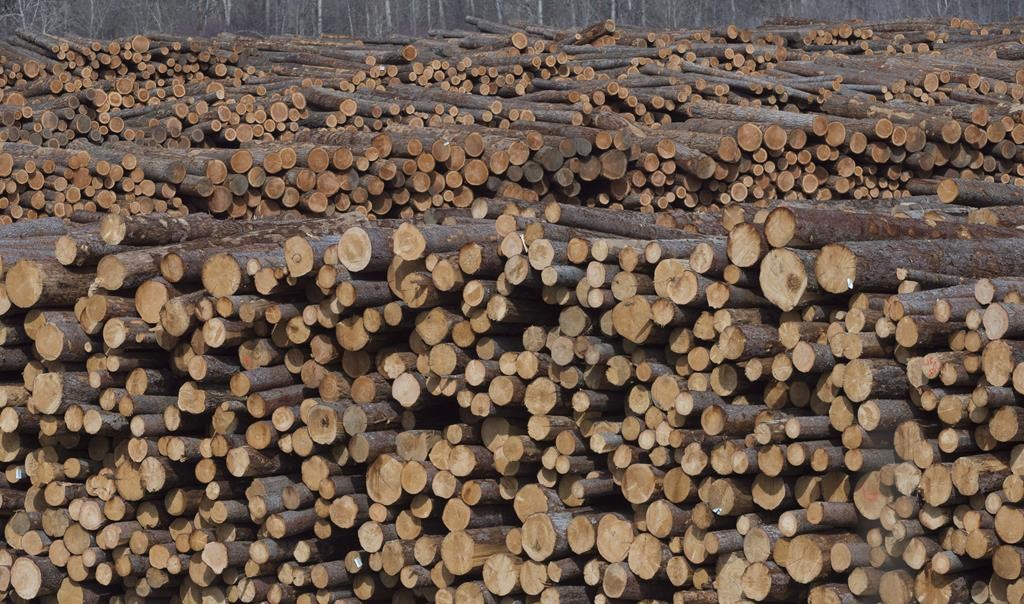
B.C. sawmill operators are already dealing with high operational costs and depressed global markets. Existing U.S. sectoral tariffs are punishing local forestry, and this review will likely be used as leverage to squeeze more blood from the stone. Expect Washington to demand stricter quotas or higher export duties on Canadian wood entering the American housing market.
Digital Operations and E-commerce
If your company moves data, runs a platform, or relies on cross-border digital services, you have a target on your back. Washington is furious about Canada's Online Streaming Act and Online News Act. U.S. trade officials are actively using the review to target Canadian data residency rules, platform governance, and user advertising constraints.
Agri-food and Dairy
While B.C. isn't Quebec when it comes to the scale of supply management, local dairy and agricultural producers are tightly bound to national Tariff-Rate Quotas. The U.S. wants total market access. Any compromise by federal negotiators will directly impact the bottom lines of Fraser Valley farmers.
Moving Past the Spectator Phase
B.C. Premier David Eby recently admitted that local provinces are mostly acting as spectators while federal officials handle the actual talks. You don't have to follow their lead. Sitting on your hands and waiting to see what happens in July is a losing strategy.
You need to stress-test your operational dependency on CUSMA rules immediately.
Start by building a basic issue register. Sit down with your operations team and map out every single cross-border flow of components, finished goods, royalties, or technical services. Calculate your exact cost exposure if a 10% or 15% tariff is suddenly slapped on your primary import or export.
Next, audit your workforce mobility. A massive hidden benefit of CUSMA is the ease of moving engineers, managers, and specialized professionals across the border without traditional, slow immigration tracks. Identify every employee currently working in your firm on a CUSMA-based professional work authorization. If rules around eligibility criteria or documentary proof tighten up this autumn, you need a backup visa strategy for those key individuals.
Finally, tighten up your cross-border documentation. U.S. customs officials are already ratcheting up origin and verification pressure. They are digging deeper into related-party pricing and customs valuations. Ensure your intercompany agreements, transfer pricing strategies, and customs declarations match up perfectly. A messy paper trail will trigger expensive border audits long before any formal trade war breaks out.
The era of easy, predictable North American trade is on pause. The smart play is to insulate your business from the noise, lock down your compliance data, and prepare your supply chain for a bumpy ride.