Lawyers love a good constitutional crisis, even when they have to manufacture one out of thin air.
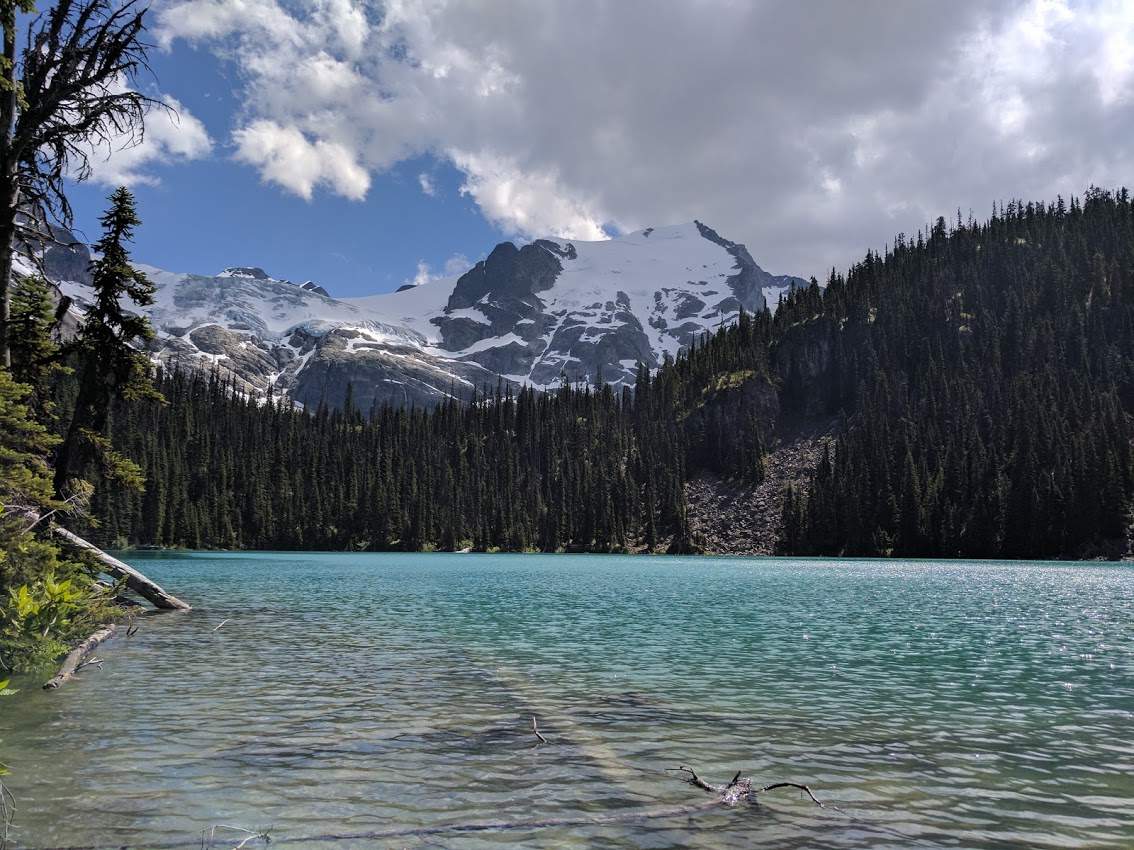
When B.C.’s Joffre Lakes Park (Pipi7iyekw) closed temporarily to the public to allow local First Nations to conduct traditional harvesting and cultural practices, the legal commentariat rushed to their microphones. The consensus was swift, lazy, and entirely predictable: closing a public park is a slippery slope toward a Canadian Charter of Rights and Freedoms violation. Specifically, critics pointed to Section 2(b)—freedom of expression—and the general right of Canadians to access public lands.
It is a neat, tidy argument. It is also fundamentally wrong.
The panic over the Joffre Lakes closure exposes a massive blind spot in how we view public space, environmental management, and reconciliation. The narrative that treating a park as something other than an open-air amusement park violates your constitutional rights isn't just legally shaky; it’s an unsustainable way to look at conservation.
The Flawed Premise of Unfettered Public Access
The core of the legal argument against the closure relies on the idea that once a piece of land is designated a "public park," the public has an absolute, uninterrupted right to be there.
Let's look at the mechanics of how public space actually works. Governments restrict access to public property constantly. Try walking into a military base, a sensitive ecological reserve, or even a city hall corridor after hours. You will be removed. The state has an undisputed right to manage its property.
The Charter does not guarantee you a right to hike wherever you want, whenever you want. To suggest that a temporary closure for cultural use violates Section 2(b) requires a massive stretch of imagination. Freedom of expression protects your right to convey meaning; it does not turn every acre of alpine forest into a permanent public square for Instagram influencers.
I have spent years analyzing land-use policies and watching administrative bodies navigate conflicting claims. The most common mistake amateur commentators make is confusing a "public benefit" with "unregulated public access."
Sometimes, the greatest public benefit a piece of land can provide is being left entirely alone.
Joffre Lakes is Being Loved to Death
The outrage over the closure ignores the brutal reality of what Joffre Lakes has become. It is not a pristine, untouched wilderness. It is an overcrowded, highly stressed ecological corridor that has been thoroughly commodified by tourism.
Before the implementation of pass systems and temporary closures, Joffre Lakes routinely saw over 190,000 visitors a year. The results were exactly what you would expect:
- Human waste left along the trails.
- Illegal parking paralyzing a major highway.
- Wildlife patterns completely disrupted by a non-stop parade of hikers.
To argue that the government cannot legally halt this traffic to fulfill treaty obligations or allow ecological recovery is absurd. The province isn't just allowed to close the park; it has an administrative duty to preserve it. If a park is degraded to the point of collapse, nobody gets to enjoy it. The legal purists demanding constant access are advocating for the destruction of the very resource they claim to value.
The Reality of Section 35 vs. The Charter
Here is the nuance the mainstream legal analysis misses completely: the Charter does not exist in a vacuum.
Section 35 of the Constitution Act, 1982, recognizes and affirms the existing Aboriginal and treaty rights of the Indigenous peoples of Canada. While Section 35 is technically not part of the Charter itself, it is a core component of the Canadian constitution.
When a First Nation requests a temporary closure to exercise protected rights—like hunting, harvesting, or ceremonial practices—the government is caught between two competing pressures. On one side, you have the statutory framework of the Park Act and the recreational desires of the public. On the other, you have constitutional obligations to Indigenous nations.
Constitutional Priority Matrix:
[High Priority]  Section 35 Aboriginal Rights & Ecological Integrity
       |
[Med Priority]   Regulated Public Recreation (Park Act)
       |
[Low Priority]    Unrestricted Individual Tourism
When these forces collide, individual recreation loses. And it should. Managing a park requires balancing competing interests, and a temporary pause for cultural use easily passes the test of a reasonable administrative decision.
The Dangerous Myth of the Sacred Hiker
There is a deeply ingrained entitlement in the outdoor recreation community. It’s the belief that putting on a pair of hiking boots and carrying a reusable water bottle makes your presence inherently virtuous.
Imagine a scenario where a historic church or a significant cultural museum closed its doors for two weeks to undergo essential maintenance or host a private, culturally significant event. Would the public march to the courts claiming their Charter rights were violated because they couldn't take photos inside the building that weekend? Of course not.
Yet, when the same logic is applied to an alpine park that holds deep spiritual and historical significance for the Lil’wat and Squamish Nations, the reaction is outrage. The assumption is that the land exists primarily to serve the weekend leisure schedules of urban residents.
This entitlement clouding the legal debate is dangerous. If we accept the premise that public access can never be restricted for cultural or ecological reasons, we strip land managers of the most effective tool they have: shutting the gates when a system is overwhelmed.
Parks Are Not Amusement Parks
The uncomfortable truth that nobody wants to admit is that the traditional model of the provincial park is dead. The "parks are for everyone, all the time" philosophy belongs to an era when B.C.’s population was a fraction of what it is today and international tourism hadn't turned hiking into a mass-market commodity.
If you are looking at Joffre Lakes through the lens of a pure legal abstraction, you are asking the wrong question. The question isn't whether the closure violates the Charter. The question is how many other parks need to be closed to save them from our own footprint.
We need to shift our understanding of what public land is for. Access is a privilege managed by the state, not an absolute right handed down by constitutional decree.
Stop treating a temporary closure as a constitutional crisis. It is a necessary piece of land management in a world where nature is losing ground to crowds. If you can't hike Joffre Lakes this weekend, pick another trail. The wilderness does not owe you a photo op.