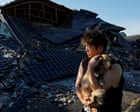
Disasters don't wait for a convenient time, but they certainly expose every flaw in a government's emergency playbook. When a magnitude 7.1 earthquake struck Japan's southwestern prefecture of Kumamoto, it didn't just shatter thousands of buildings; it collided head-on with a brutal summer heatwave. Prime Minister Sanae Takaichi flew down to inspect the devastation, but the trip triggered a firestorm of criticism.
Let's break down what actually happened on the ground, why the response is drawing intense scrutiny, and what this means for disaster management moving forward.
The Brutal Intersection of Quakes and Extreme Heat
Recovery work in Kumamoto is moving forward under punishing conditions. The Japan Meteorological Agency warned that temperatures were climbing close to 40 degrees Celsius (104 Fahrenheit). That kind of heat turns debris cleanup into a health hazard.
Over 46,000 households found themselves without running water. Fuel shortages compounded the misery, leaving survivors stranded or struggling to power basic cooling units. The human toll is climbing past 38 direct fatalities, which tragically includes a person who died of apparent heat stroke while taking shelter inside a hot car.
When basic utilities collapse during a heatwave, emergency shelters become the next line of defense. But right now, those shelters are failing too.
Why the Prime Minister's Visit Backfired
Prime Minister Takaichi arrived in Kumamoto via an army helicopter, touring the affected regions to meet local officials and evacuees. She sat down with Kumamoto Governor Takashi Kimura, who didn't mince words about the "abnormal heat" suffocating the region. Kimura pressed the central government for immediate aid to upgrade living conditions, secure clean water, and supply proper medical care.
So, where did the backlash come from?
Takaichi chose to visit one of the area's absolute best-equipped evacuation centers—a facility outfitted with modern cardboard beds, privacy partitions, and functional air-conditioning. Social media erupted with accusations that the high-profile tour painted a sanitized picture of reality. Across Kumamoto, more than 8,500 people are crammed into stuffy school gyms, community centers without AC, or baking inside cars parked in town hall lots.
Critics argued that dropping into a model shelter shields leadership from the raw, unpolished suffering happening just a few towns over. It's a classic political misstep: trying to project control while missing the chaotic reality on the ground.
Beyond the Rubble Corporate Negligence and Tragedy
The earthquake's aftermath also exposed corporate failures that have nothing to do with weather. In the town of Kashima, a section of a collapsed Aeon Mall became a grim site when an explosion ripped through the structure.
While 3,000 shoppers were safely evacuated to the parking lot, certain employees were left behind. Executives from Habita, a local general store operator inside the mall, attended the wake of 22-year-old victim Kurumi Otake. Company representatives openly admitted they instructed employees to return inside the unstable, collapsing building to secure sales proceeds in a safe.
That admission sent shockwaves through the community. Families are left mourning loved ones who died chasing corporate cash registers instead of fleeing for their lives.
What Needs to Change Right Now
Disaster response infrastructure in earthquake-prone nations like Japan usually sets the global standard. However, the Kumamoto disaster highlights glaring vulnerabilities that emergency planners keep ignoring.
- Climate-Proofing Shelters: Emergency plans assume cool weather or mild spring conditions. As extreme heat events become the norm, gymnasiums and community centers without heavy-duty portable air-conditioning are death traps.
- Decentralized Water Distribution: Relying solely on municipal grid repairs leaves tens of thousands dry for days. Rapid deployment of independent water purification units must happen within twenty-four hours.
- Enforcing Workplace Safety: Corporate evacuation protocols must carry criminal penalties for managers who prioritize inventory over human life during natural disasters.
The road to recovery in Kumamoto will take months. Prime Minister Takaichi promised that the central government would examine the governor's requests and act proactively. Survivors don't need photo opportunities in model shelters; they need a government that can deliver water, power, and safe shelter before the next heat wave peaks.
PM Sanae Takaichi visits quake-hit southern Japan as cleanup begins in intense heat
This video provides on-the-ground news coverage of Prime Minister Sanae Takaichi's visit to Kumamoto Prefecture amid extreme temperatures and water shortages following the earthquake.