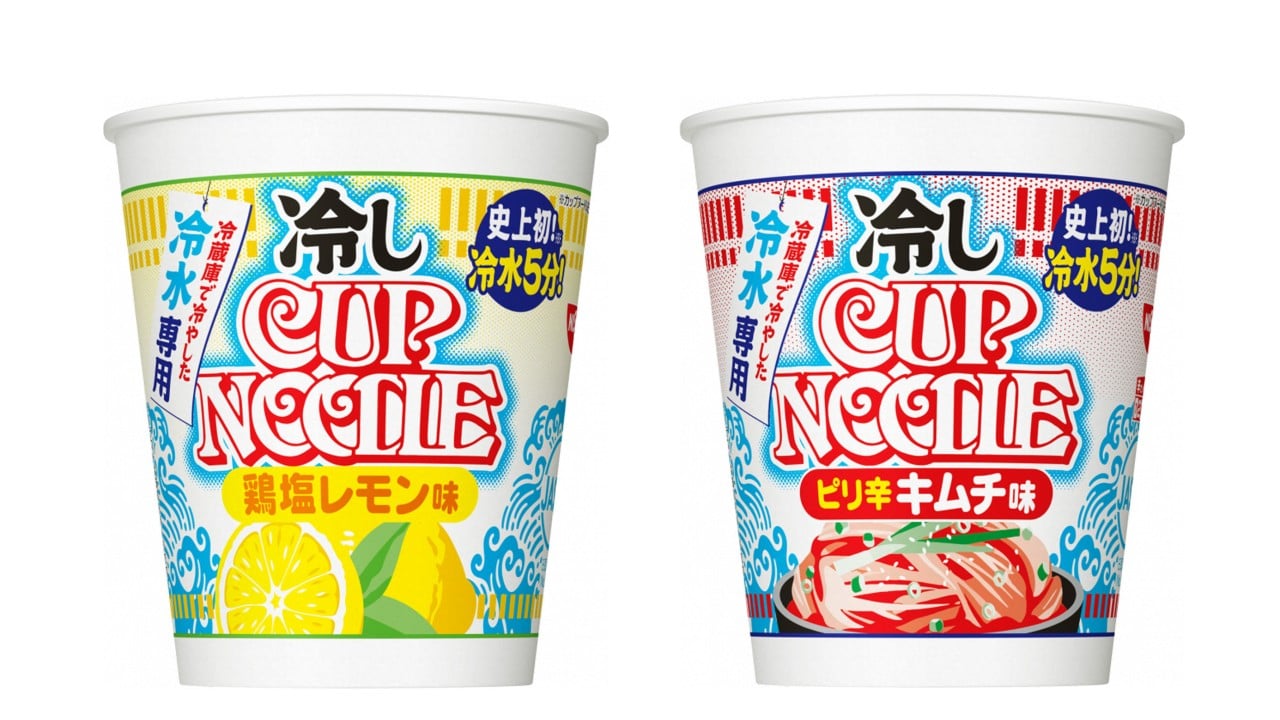
For over half a century, making a cup of instant ramen required one absolute rule: boil water, pour it in, and wait three minutes. If you tried to use cold water back then, you just ended up with a crunchy, inedible bowl of raw flour. But extreme weather changes everything. When Nissin dropped its first-ever cold water cup noodles in Japan, the entire lineup vanished from shelves within a week.
Forget the kettle. These cups come with a strict warning printed right on the lid: hot water prohibited.
Breaking Fifty Five Years of Instant Ramen Rules
Nissin didn't just throw regular noodles into cold water and cross their fingers. Developing this product took five full years of trial and error. Standard fried instant noodles are chemically and structurally designed to absorb boiling heat to rehydrate properly. Cold liquid leaves them stiff and chalky.
To fix this, the company engineered a patented manufacturing technique called the Cold Rehydrate method. The strands are shaped differently—slightly thinner and more rounded than traditional flat ramen—allowing them to soften into a springy, slippery texture using strictly refrigerator-cold water.
You grab a cup from the convenience store shelf, pull back the lid, and pour in water straight from the fridge. Then you wait five minutes instead of three. Give it a stir, and you have a genuinely chilled bowl of ramen that tastes remarkably like the original. Even the iconic "mystery meat" chunks manage to soften completely without a single drop of heat.
Why This Product Happened Right Now
Summer heatwaves in Japan have pushed temperatures to punishing extremes, shrinking appetites for boiling hot soup. Eating piping-hot ramen when your apartment feels like a sauna is nobody's idea of a good time.
That environmental pressure turned a quirky corporate experiment into a massive public utility. Convenience store shoppers snapped up the two initial flavors—Spicy Kimchi and Chicken Shio Lemon—faster than factories could restock them. Spicy Kimchi brings sharp acidity and a fiery kick to a chicken base, while Chicken Shio Lemon leans into a clean umami profile boosted by bonito, sardine, and fresh citrus.
Social media naturally turned the launch into an event. TikTokers and food bloggers started testing alternative liquids, pouring everything from iced green tea to soy milk into the cups just to see what happened. The craze even spilled overseas, sparking long lines at pop-up sales in places like Hong Kong.
The Packaging Detail Most People Miss
If you look closely at the container, you will spot another subtle engineering choice. Because nobody is pouring boiling water inside, these cups ditch the traditional thick foam insulation for a thin plastic design. Fifty-five years of packaging built explicitly to protect your fingers from burning heat became instantly obsolete.
Beyond convenience and beating the heat, analysts point to an unexpected secondary market: emergency rations. Traditional emergency food stocks require fuel or electricity to boil water. A meal that rehydrates safely using unheated tap or bottled water solves a major logistical headache during disaster preparedness scenarios.
For now, availability remains heavily tied to the domestic Japanese market, leaving international fans hunting through import shops or planning their next trip. If you happen to spot one on a shelf overseas, check the lid twice. Make sure you leave the kettle turned off.