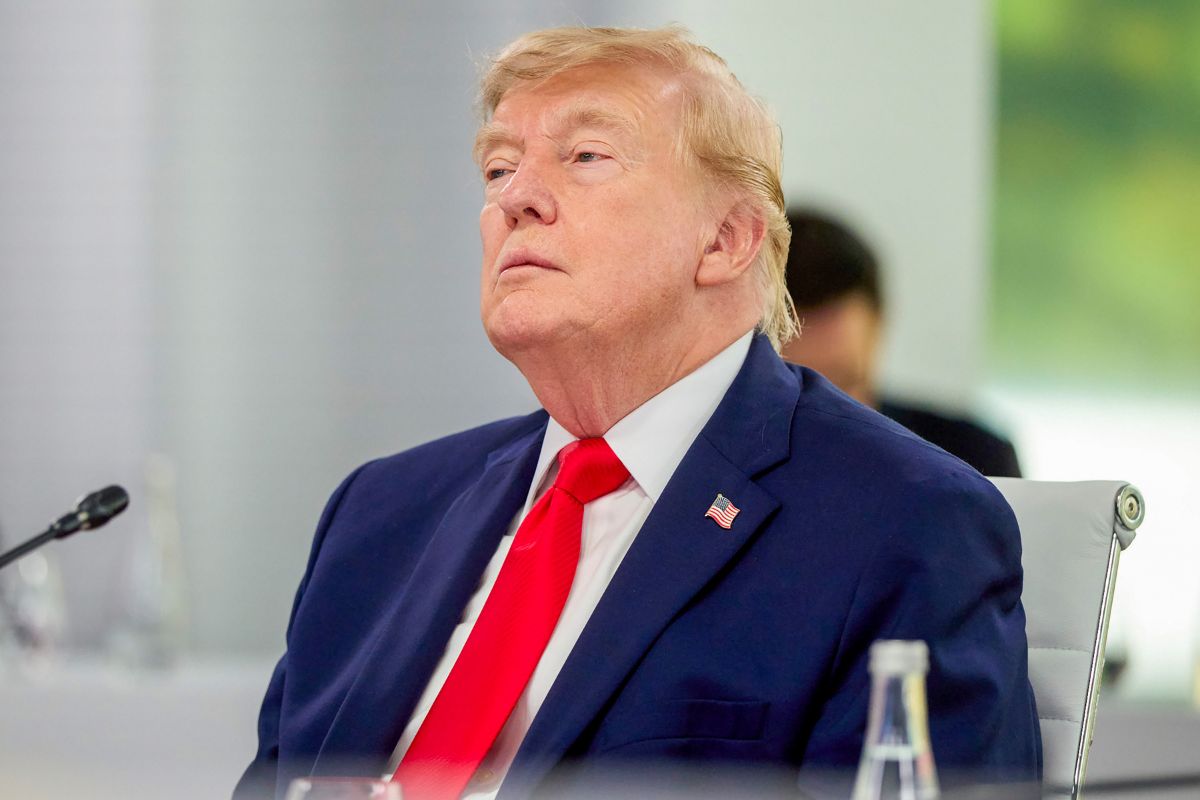
The announcement of a bilateral memorandum of understanding (MoU) between the United States and the Islamic Republic of Iran establishes a temporary, conditional de-escalation framework rather than a permanent grand bargain. Signed remotely during the G7 summit in France, the Islamabad Memorandum halts a 110-day kinetic conflict and outlines an immediate roadmap to reopen the Strait of Hormuz. However, the diplomatic breakthrough relies on a high-stakes, 60-day negotiating window that defers the most volatile structural disputes, including the long-term status of Iran’s nuclear program and regional ballistic missile proliferation.
Analyzing the strategic realities behind this agreement reveals the underlying mechanics, operational trade-offs, and structural vulnerabilities that will determine whether this framework transitions into a durable security architecture or collapses back into active military containment.
The Three Structural Pillars of the Islamabad Memorandum
The preliminary agreement operates as a transactional, front-loaded mechanism designed to exchange immediate economic relief for critical maritime stability. It relies on three primary operational pillars:
- Immediate Cessation of Military Operations: The framework dictates a complete halt to kinetic activity across all active fronts, explicitly encompassing theater operations in Lebanon involving Iranian-backed Hezbollah.
- Maritime Reopening and Mine Clearance: Iran commits to utilizing its best efforts to guarantee the safe, unprompted passage of commercial shipping vessels through the Strait of Hormuz without imposing transit tolls. This requires immediate, localized mine-sweeping operations to clear naval mines deployed during the initial phases of the conflict.
- Asymmetric Economic Reciprocity: Upon formal execution of the document, the United States suspends its naval blockade of Iranian ports, allowing Tehran to immediately resume crude oil exports to global energy markets. Concurrently, European allies (the United Kingdom, France, Germany, and Italy) have signaled readiness to systematically unwind secondary economic sanctions.
The primary limitation of this structure is its asymmetry. While Iran receives immediate, quantifiable economic upside through restored oil logistics, the United States and its regional allies receive behavioral commitments that require continuous, resource-intensive verification.
The 60-Day Liquidity Window vs. Long-Term Verification
A central flaw in casual assessments of the agreement is confusing a cessation of hostilities with structural disarmament. The Islamabad Memorandum functions primarily as a liquidity window. By deferring the complexities of centrifugal enrichment caps, advanced missile stockpiles, and inspection protocols to an upcoming diplomatic round in Switzerland, the framework creates a highly volatile 60-day sprint.
The friction in this timeline is driven by two competing strategic incentives:
- Tehran’s Economic Front-Loading: Iran seeks to maximize crude oil extraction and revenue generation during the 60-day period to restock domestic reserves and stabilize its currency, insulating its economy in case negotiations fracture.
- Washington’s Leverage Enforcement: The United States maintains a robust, continuous naval and air presence in the Persian Gulf. This military positioning serves as a direct enforcement mechanism, establishing a explicit cost function: if verifiable progress on the nuclear portfolio is not achieved within the designated window, the U.S. retains the operational flexibility to re-impose the maritime blockade and resume targeted kinetic strikes.
This architectural reality is reinforced by statements clarifying that the 60-day timeline is a soft operational boundary rather than a hard termination date, provided behavioral compliance is maintained. The strategic posture remains anchored in coercive diplomacy: economic normalization is directly tied to verifiable compliance, backed by proximate military capability.
Market Distortions and Logistic Realities in the Strait of Hormuz
The immediate consequence of the announced framework was a sharp downward correction in global crude oil and agricultural commodity futures. While financial markets reacted symmetrically to the reduction of geopolitical risk, the physical restoration of maritime supply chains faces distinct operational bottlenecks.
[MOU Signed] ➔ [Initial Mine Clearance] ➔ [Gradual Traffic Scaling] ➔ [Full Supply Chain Normalization]
                     (Days 1-5)                 (Weeks 2-4)                 (Month 2+)
The assertion that the Strait of Hormuz will achieve total, frictionless normalization instantly overlooks deep maritime logistic realities. Initial phases require localized mine-hunting operations by naval assets to clear shipping lanes. Commercial logistics cannot scale instantly; maritime insurance syndicates require verified safety baselines before adjusting war-risk premiums.
Consequently, while initial commercial traffic will scale gradually over the first two weeks, a return to baseline transit volumes and normalized global energy distribution will require several weeks of sustained stability. This operational lag creates a temporary bottleneck where energy prices may experience high volatility despite the formal diplomatic breakthrough.
Strategic Constraints and the Risk of Localized Fractures
The long-term durability of the Islamabad Memorandum is constrained by several critical vulnerabilities that could trigger a rapid unraveling of the framework:
- The Enforcement Gap on Proxies: While the memorandum binds the state signatories to a permanent termination of military operations, the precise mechanism to enforce compliance on non-state proxies remains undefined. A localized strike by aligned factions in Lebanon or Iraq could instantly invalidate the broader framework.
- The Absence of a Verified Nuclear Baseline: By decoupling the immediate ceasefire from immediate nuclear inspections, the agreement gives Iran a temporary window of unmonitored operational flexibility, potentially complicating future verification protocols in Switzerland.
- Regional Security Divergence: Key regional actors, most notably Israel, are not direct signatories to the memorandum. The persistence of localized defense priorities means that external military operations could disrupt the diplomatic framework independently of Washington’s strategic intent.
The current strategy relies on maintaining an active, highly visible military posture in the Persian Gulf while simultaneously testing Iran's willingness to convert immediate economic relief into long-term strategic concessions. The next critical metric of success will not be the formal signing ceremony in Geneva, but rather the rapid reduction of commercial shipping insurance premiums in the Persian Gulf and the formal establishment of inspection parameters for the upcoming Swiss round.