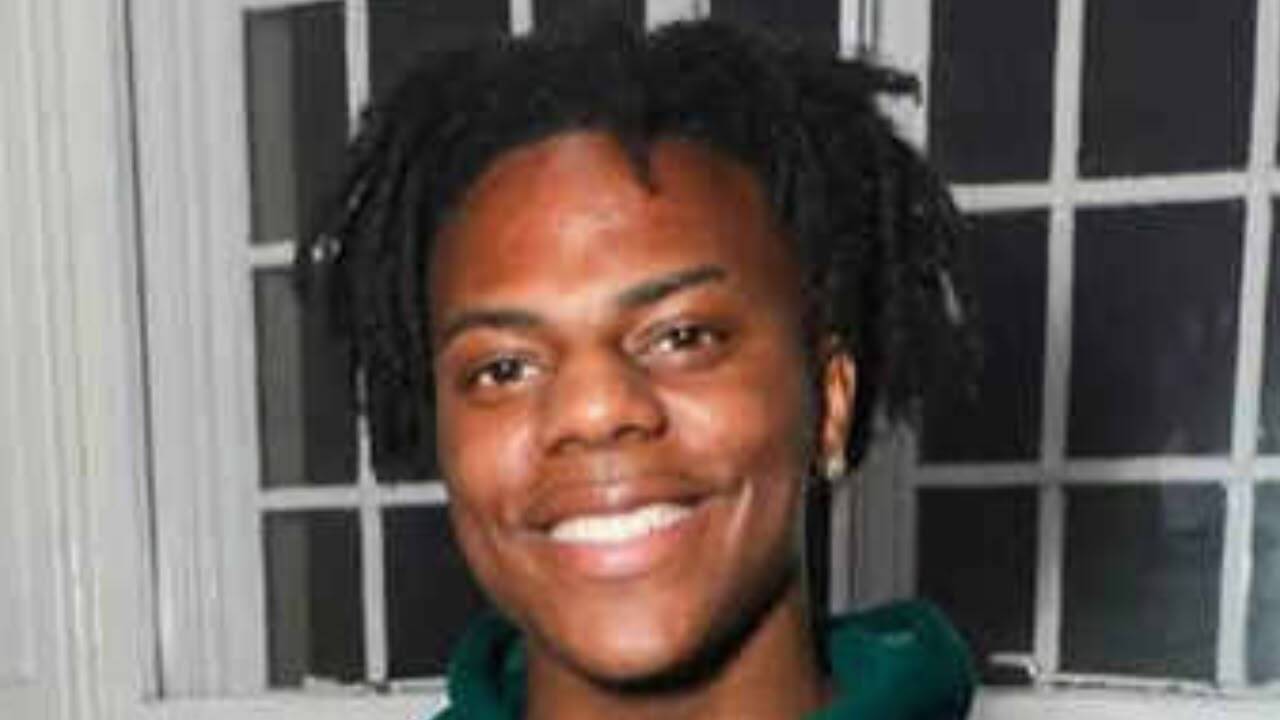
The old rules of watching international football are officially dead. If you tuned into the standard television broadcast for the historic FIFA World Cup 2026 Round of 32 match between Argentina and Cape Verde, you only got half the story. The real action, the actual cultural heartbeat of this tournament, wasn't found on a traditional commentary track. It was happening live in the stands of Miami Stadium, broadcasted through a chaotic, high-energy YouTube stream by Darren Watkins Jr., better known to millions as IShowSpeed.
We aren't just talking about a teenager reacting to a screen in his bedroom anymore. This is a massive broadcast operation backed by soccer governing bodies and multi-billion-dollar media networks. The IShowSpeed World Cup live stream has transformed from a internet subculture meme into the primary way a massive chunk of the global population experiences the sport.
When the news broke via the IShowSpeedHQ fan channel that Speed planned an ambitious, stadium-based IRL stream for Lionel Messi’s first knockout match of the 2026 tournament, people thought it was a logistical impossibility. Traveling across the United States, Mexico, and Canada to cover knockout matches is exhausting for entire network crews. Speed is doing it with a backpack, a mobile setup, and a level of unmatched energy that is rendering traditional sports analysts obsolete.
The Absolute Chaos of Argentina vs Cape Verde in Miami
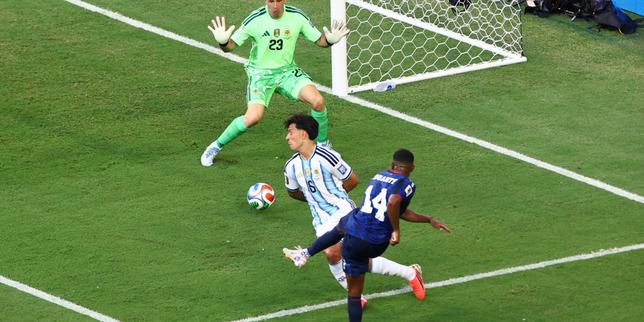
The atmosphere in Florida for this fixture was already at a boiling point before kickoff. Argentina came into the knockout stage looking dominant, having cruised through Group J with wins over Algeria, Austria, and Jordan. Lionel Messi, who was rested during the final group match, returned to the starting lineup to lead the defending champions. On the other side stood Cape Verde, a team of debutants who had already written themselves into sports folklore by becoming the smallest nation to ever qualify for the World Cup knockout rounds.
Speed showed up to Miami Stadium dressed head-to-toe in Argentina colors, immediately swarmed by thousands of fans. His pre-match stream was pure theater. He posed with supporters wearing giant, oversized Lionel Messi masks, hyperventilated over the stadium security lines, and chanted alongside the massive contingent of South American fans. The thumbnail of his official YouTube stream screamed in capital letters: “irl stream Argentina Vs Cape Verde! MESSI FIRST KNOCKOUT GAME.”
Once the match kicked off, the stream became an unpredictable second-screen experience that outpaced anything you could find on network television. When Messi scored a brilliant opening goal in the 29th minute, the camera didn't just show the ball hitting the back of the net. It showed Speed falling backward over stadium seats, barking at the sky, and screaming his lungs out in celebration.
The match itself refused to follow the script. Cape Verde fought back with a grit that stunned the stadium. Deroy Duarte leveled the score in the 58th minute, silencing the heavy Argentine crowd but sending Speed’s chat into absolute meltdown. When the game pushed into overtime, Lisandro Martínez scored early in the 92nd minute to give Argentina the lead, only for Cape Verde's Sidny Lopes Cabral to answer back in the 103rd minute, bringing the score to a breathtaking 2-2 tie deep in extra time. Through every single whistle, VAR review, and tactical substitution, Speed’s broadcast offered raw, unfiltered human emotion that traditional media platforms simply cannot replicate.
The Secret Deal Powering the Creator Stream Revolution
Many casual viewers don't understand how a YouTube creator is allowed to broadcast inside a FIFA stadium without getting his channel struck down by copyright lawyers within three seconds. The reality is that this stream is completely legal, highly calculated, and part of a massive corporate experiment.
Earlier in June 2026, a groundbreaking corporate alliance was formed between FIFA, Fox Sports, and YouTube. They granted Speed the official rights to co-stream and host live watchalongs of select matches throughout the tournament.
The distribution model is highly unique and varies depending on where you live.
- For International Viewers: Fans outside the United States can watch the live stadium feed directly through Speed’s standard YouTube channel completely free.
- For United States Viewers: Because of strict domestic broadcasting rights, American fans access the synchronized feed through Fox One via YouTube Primetime Channels.
This setup isn't a charitable nod to internet culture. It's a calculated survival tactic by traditional networks. Media corporations know that younger audiences don't buy cable packages. They don't want to listen to formal commentators in suits breaking down passing structures for ninety minutes. They want community, they want chaos, and they want to watch the biggest moments of their lives with the digital personalities they follow every day.
Speed himself made his intentions clear when the deal was signed, stating that fans have always wanted to watch massive sporting events alongside their favorite creators. He explicitly stated his desire to continue pushing the limits of what streaming can achieve. By integrating official match feeds with an unpredictable real-life vlog format, he is actively rewriting the blueprint for sports entertainment.
Tracking the Insane Logistics of the Round of 32 Tour
The Argentina vs Cape Verde stream is just one single component of a logistical nightmare that Speed’s team has undertaken. The streamer has committed to a punishing schedule that targets coverage for all 16 matches in the Round of 32 stage.
Think about the sheer physical toll of that goal. The 2026 World Cup is spread across three massive nations. Matches are happening concurrently or back-to-back in host cities separated by thousands of miles. One day Speed is caught on camera by local news outlets like FOX 26 in Houston, sweating through his shirt after a frantic Netherlands vs Sweden match or chopping it up with fellow creator Taiyo Jr. after a massive Brazil vs Japan fixture. The next day he is boarding a flight to Miami, Toronto, or Mexico City to catch the next kickoff.
The official artwork and promotional schedules released by the IShowSpeedHQ team outline high-profile knockout streams that include Portugal vs Serbia, Germany vs Netherlands, and England vs Senegal. To pull this off, Speed isn't just relying on standard consumer cellular data. His production team utilizes enterprise-grade bonded cellular backpacks that combine multiple network signals simultaneously, ensuring the stream stays live even when surrounded by 70,000 screaming fans inside a concrete stadium.
This level of access didn't happen overnight. Speed has spent the last few years transitioning from a gaming creator into a global football icon. His legendary obsession with Cristiano Ronaldo originally opened the doors to the international football community. Since then, he has built a massive portfolio of stadium visits, high-profile player interviews, and international tours.
His relationship with the sport's highest authorities reached a turning point when he was photographed alongside FIFA President Gianni Infantino. FIFA didn't just give him a ticket; they introduced the official World Cup 26 Tour with him as a primary digital ambassador. He was even presented with the very first official FIFA World Cup 2026 Fan ID. It's a clear acknowledgment that the governing body views him as the ultimate bridge to a younger generation of sports fans.
Why Traditional Sports Media Is Terrified of This Shift
If you look closely at the television industry right now, executives are sweating. For decades, live sports remained the final unassailable fortress of traditional broadcast media. Scripted television moved to streaming services, but live football games kept people tied to network schedules.
Speed’s success proves that even live sports are susceptible to the creator economy. The traditional broadcast model treats the viewer as a passive consumer. You sit on your couch, you watch the camera angles chosen by a director in a production truck, and you listen to pre-planned analysis.
The creator-led model flips that completely. Speed’s stream is interactive. The live chat moves at thousands of messages per minute, creating a digital stadium concourse where fans from every corner of the planet scream together in real time. The focus isn't on objective analysis; it's on subjective experience. When Speed argues with a fan in the row behind him, or tries to order local stadium food while failing to speak the language, it adds layers of entertainment that a standard camera crew would edit out completely.
It also changes the nature of sports celebrity. During the Argentina match, the camera spent almost as much time tracking Speed's facial expressions as it did tracking Messi’s runs. The creator has become co-equal to the event itself. For a massive portion of his audience, the match matters because Speed is there, not the other way around.
How to Optimize Your Second Screen Experience for the Rest of the Tournament
If you want to get the most out of the remaining World Cup knockout matches, you need to abandon the idea of watching games the old-fashioned way. The modern sports fan utilizes a multi-device setup to catch every angle of the drama.
First, secure your digital pipeline. If you're located inside the United States, stop trying to find illegal web streams that lag every five minutes. Set up your YouTube Primetime Channels ahead of time and ensure your Fox One access is fully authenticated. There's nothing worse than missing a critical extra-time goal because your feed is buffering or getting shut down for copyright violations.
Second, embrace the dual-screen methodology. Keep the main television screen tuned to the official tactical broadcast so you can see the full pitch, the offside lines, and the macro-level play. At the same time, have Speed’s live stream open on your phone or tablet right next to you. This gives you the perfect balance of professional sports production and raw stadium atmosphere.
Finally, pay attention to the schedule. With Fox confirming that Speed’s broadcast agreement extends through the semifinal matches and the tournament final itself, the stakes are only going to get higher. The matches will get tighter, the stadium crowds will get more hostile, and the streams will get progressively more unhinged. We are watching the future of media consumption unfold in real time, and honestly, sports television might never recover from it.