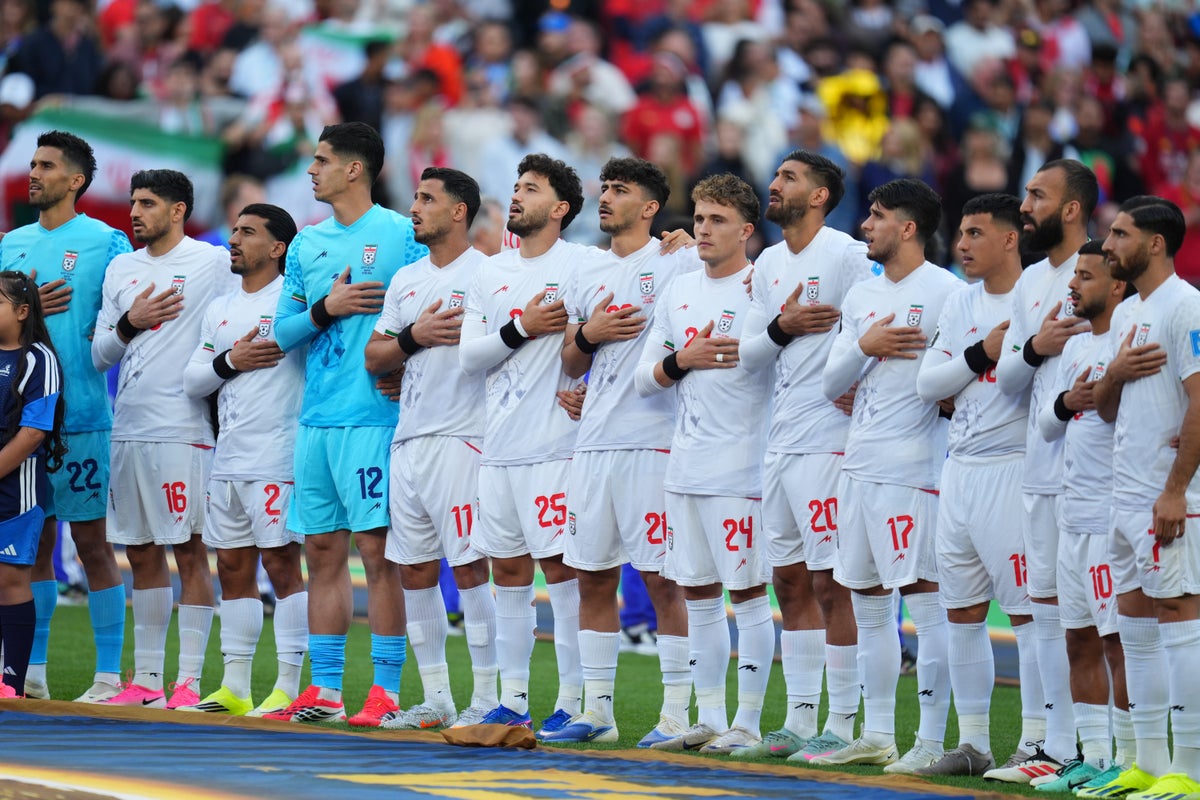
The 2026 World Cup just delivered its most brutal moment. Iran is out. They didn't lose a match on the pitch, yet they're heading home.
It came down to a wild 96th-minute equalizer thousands of miles away. Austria and Algeria drew 3-3 in a chaotic Group J finale. That single goal by Austrian forward Sasa Kalajdzic didn't just save his own country. It instantly shattered Iranian hearts.
Football can be incredibly cruel. Team Melli fought through three straight draws in Group G against Belgium, New Zealand, and Egypt. They finished undefeated. They expected to slip through to the round of 32 as one of the best third-place teams. When Riyad Mahrez scored for Algeria in the 93rd minute to make it 3-2, Iran was safely in. For three short minutes, they were celebrating. Then Kalajdzic rose above the defense, headed the ball home, and changed everything.
This wasn't just another sports exit. This tournament was a logistical and political nightmare for the Iranian squad. Playing a World Cup in host cities controlled by a government you are actively in a conflict with creates an impossible environment.
The Most Politically Charged Campaign in Modern Sports
You can't talk about this exit without talking about the war. The geopolitical backdrop of this tournament is heavy. Washington and Tehran are currently negotiating terms to end a conflict that started earlier this year. While the players were warming up for matches, drone strikes and military retailiations were happening in real time back home.
On the very day Iran was eliminated, a drone assault targeted Bahrain. The United States military responded with overnight airstrikes near the Strait of Hormuz. Trying to focus on a tactical game plan under those conditions is a task few athletes will ever face.
The squad dealt with intense government scrutiny from the moment they arrived. Security personnel watched their every move. The political tension followed them straight onto the grass. During their opening matches, thousands of fans filled the stands with a chaotic mix of emotions. Pre-game national anthems were drowned out by a combination of loud cheers and fierce booing. Outside the venues, hundreds of Iranian Americans held protests, waving pre-revolutionary flags and demanding systemic changes back in Tehran.
Every single match felt less like a sporting event and more like a high-pressure diplomatic summit.
Severe Travel Bans and the Tijuana Base Camp Shift
The structural hurdles started long before the opening whistle. The squad faced a wall of travel restrictions, visa denials for key technical staff, and strict transportation rules. Coach Amir Ghalenoei didn't hold back his frustration. He openly stated that the host nation treated his team in the worst possible way.
Consider the logistical hoops this team had to jump through just to play a game.
- Denied Visas: Essential analysts, trainers, and support staff simply couldn't get into the country.
- The Tucson to Tijuana Move: Iran originally wanted to base their camp in Tucson, Arizona. Because of the heavy political climate and diplomatic ties, they had to scramble. They officially requested a move across the border to Tijuana, Mexico. It was granted a mere two weeks before the tournament began.
- The Same-Day Travel Rule: For their first two fixtures near Los Angeles, authorities didn't permit the team to arrive until the day before the match. The moment the final whistle blew, they were forced to pack up and immediately return to Mexico.
Imagine trying to recover from an elite international soccer match while being rushed onto an international flight back to a neighboring country. It ruins any normal recovery protocol. Muscle fatigue accumulates. Sleep schedules fracture.
The restrictions eased slightly before their final group match against Egypt. The United States allowed the squad to land in Seattle two days early. That match ended in a tense draw, leaving Iran completely dependent on external results.
The Three Minutes of Pure Hope That Evaporated
The math behind the expanded World Cup format is dizzying. With the introduction of the round of 32, the top third-place teams get a lifeline. Iran sat on three points with a neutral goal difference. Their fate rested entirely on the outcome of the Austria and Algeria match.
Algeria looked comfortable letting the clock run out at 2-2. A draw suited both teams well enough, but Riyad Mahrez had other plans. His brilliant strike in the 93rd minute sent Algerian fans into a frenzy. It also put Iran into the qualifying zone. If Austria lost, Iran would advance via the third-place wild card tiebreaker.
It looked like a miracle. Against all odds, through travel bans and geopolitical warfare, Iran was moving on to face Spain in Vancouver.
Then came the 96th minute. Austria threw everyone forward into the box. Sasa Kalajdzic connected with a desperation cross, burying it into the back of the net. The match ended 3-3. Austria and Algeria both advanced with four points each. Senegal claimed the final wild card spot thanks to a massive goal-difference advantage from an earlier 5-0 win over Iraq.
Iran missed out by a single slot. It was a devastating, silent end to a tumultuous journey.
What Happens Next for Team Melli
The emotional toll of this tournament will take a long time to process. The players released a heartfelt statement thanking the citizens of Tijuana for hosting them during their exile. They expressed how difficult it was to leave a city that gave them a safe haven when everything else felt hostile.
For the coaching staff and the Iranian football federation, the focus turns to systemic complaints. Ghalenoei wants the international community to scrutinize the conditions his team endured. There will undoubtedly be official reports filed with international sporting bodies regarding the fair treatment of athletes during global conflicts.
If you are following international football, watch how sports federations handle visa and travel guidelines for future tournaments. The intersection of sports and global diplomacy is getting messy. The structural challenges Iran faced set a dangerous precedent for how host nations can leverage administrative rules against visiting teams. Keep an eye on upcoming athletic committees to see if new neutrality laws are introduced to protect athletes from bureaucratic penalties during times of crisis.