The ground shifted across the Middle East when Tehran officially laid down its strict conditions for ending hostilities while Saudi air defenses scrambled to intercept incoming ballistic missiles over Riyadh. If you've been watching the regional conflict from a distance, it's easy to dismiss these headlines as standard diplomatic posturing. Don't. The convergence of explicit Iranian terms delivered through Qatari intermediaries and direct strikes hitting infrastructure near the Saudi capital signals a dangerous new phase in an already volatile war.
The Real Meaning Behind Tehran's Demands
When Supreme National Security Council Secretary Mohsen Rezaei publicly outlined Tehran's demands, he wasn't speaking to ordinary citizens. He was sending a calculated ultimatum to Washington.
The core requirements are absolute:
- An immediate end to military operations on all fronts.
- The unfreezing of billions in held Iranian assets.
- The complete lifting of the United States naval blockade throttling Iranian ports.
From where I sit, these terms are designed to be a hard pill for the White House to swallow. Tehran knows the economic pressure is mounting, but they're refusing to come to the table cap-in-hand. By routing these messages through regional mediators rather than direct channels, Iran is trying to project strength while simultaneously testing the limits of Western resolve.
Why the Riyadh Attacks Broke the Rules of Engagement
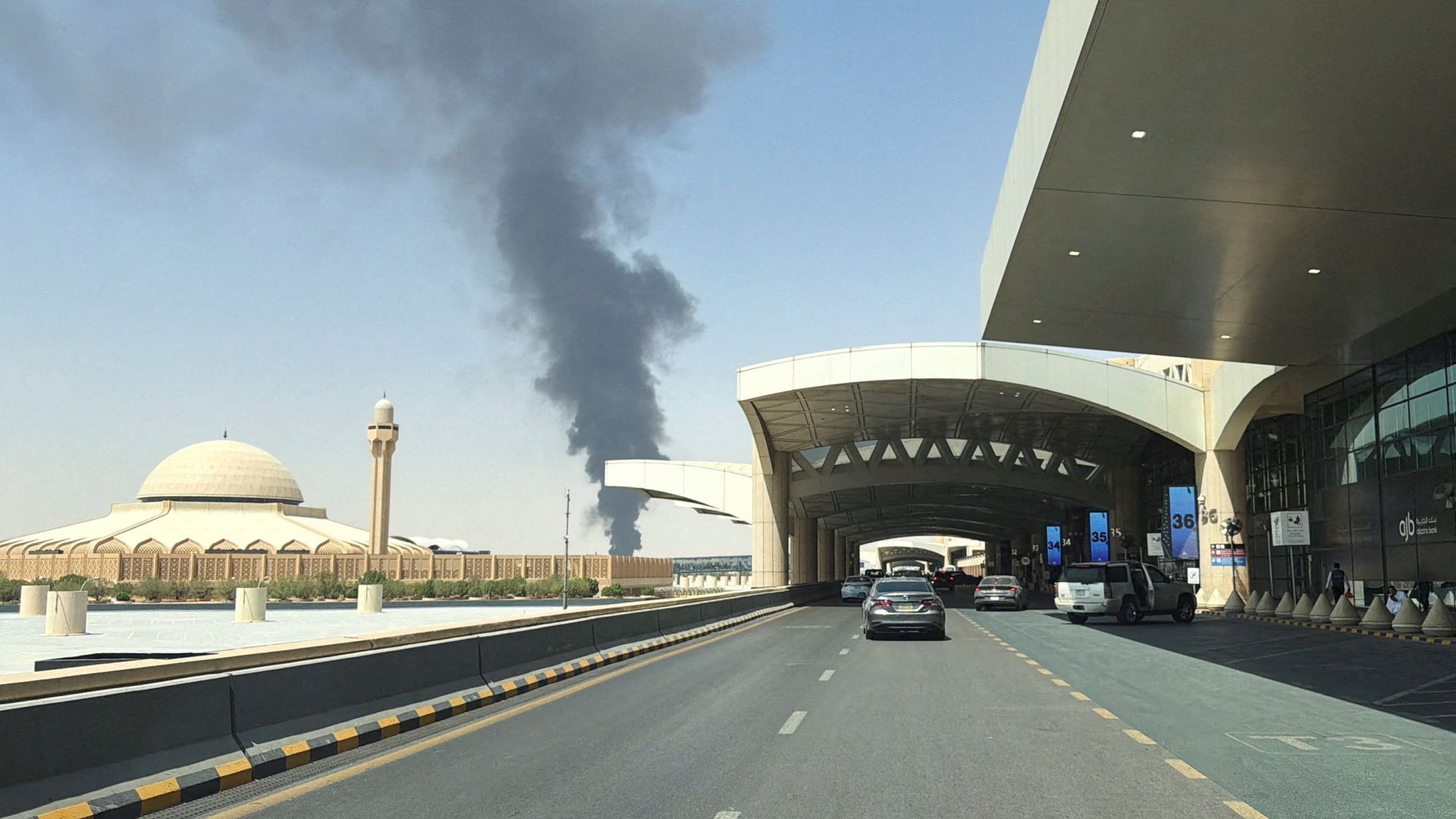
While diplomats bicker over terms, the physical reality on the ground in the Gulf has turned catastrophic. Saudi air defense forces successfully intercepted a ballistic missile targeting Riyadh at dawn, but the fallout was impossible to hide. Smoke choked the skyline near King Khalid International Airport after a fuel depot associated with Saudi Aramco caught fire.
This isn't just about localized skirmishes anymore. When critical energy infrastructure gets hit right outside financial and political hubs, global markets react instantly. The energy shockwaves ripple through international shipping lanes, driving up insurance rates and forcing carriers to reconsider routes through the Strait of Hormuz.
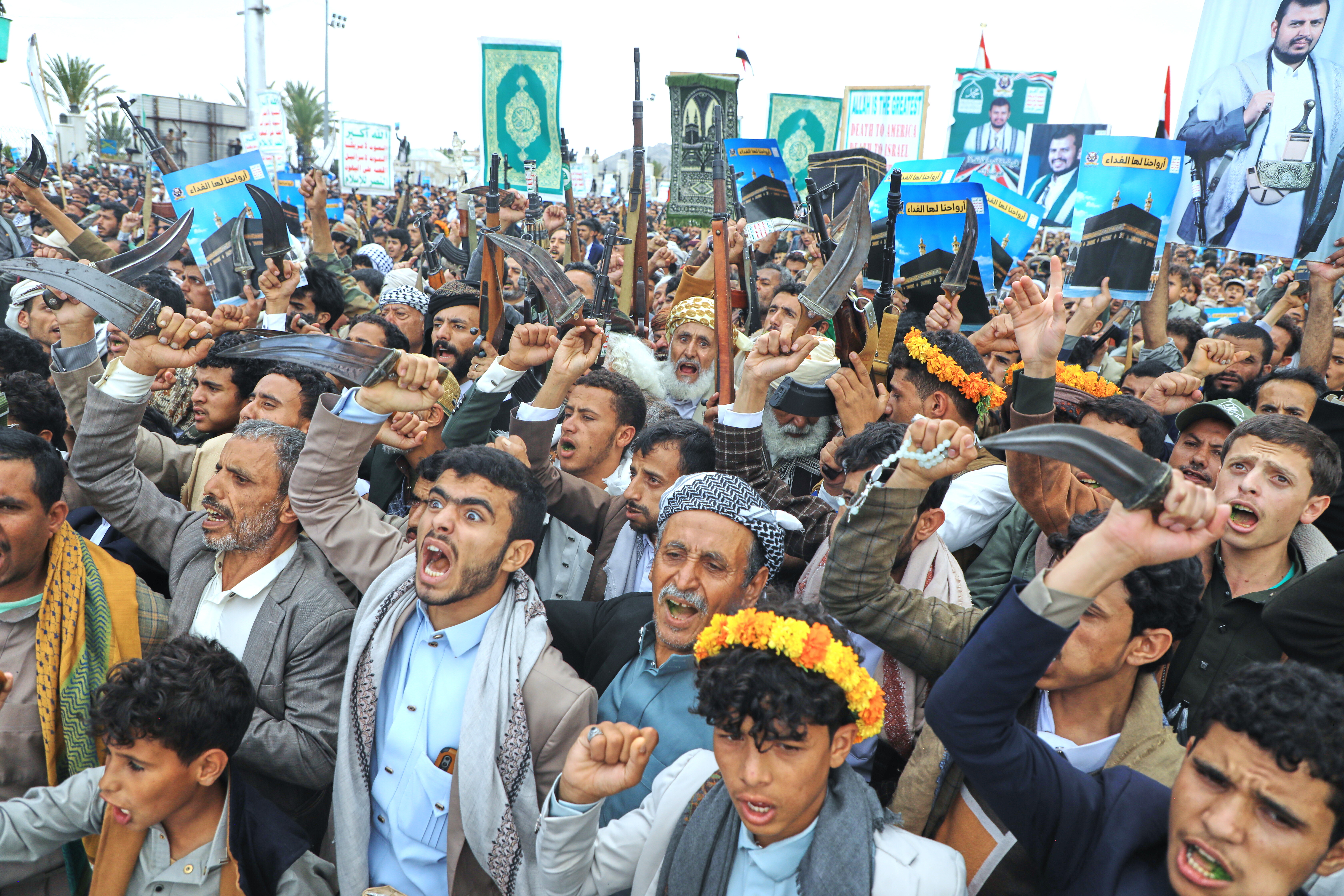
You have to look at the proxy dynamics here. The Houthi escalation isn't happening in a vacuum. It's a direct pressure valve used by the Iranian network to remind Washington and Riyadh that any prolonged military campaign comes with a heavy economic and physical price tag.
The Dangerous Chessboard Ahead
Let's cut through the noise. Washington currently faces a terrible triad of choices: escalate heavily, let the Iranian economy slowly suffocate under sanctions, or cut a messy deal. None of those options look clean. President Trump and his advisers are weighing whether a wider campaign would stabilize or shatter fragile Gulf partnerships.
Meanwhile, regional players like Turkey and Pakistan are scrambling behind the scenes to pitch alternative diplomatic off-ramps, terrified that a miscalculated missile strike could drag the entire peninsula into an all-out inferno.
Keep your eyes on the maritime corridors and emergency diplomatic channels over the next few weeks. If these peace terms are rejected outright, expect a sharp spike in proxy confrontations and another severe jolt to global energy prices. The window for a negotiated exit is closing fast.