You probably think about gas prices when you hear about conflict in the Middle East. It’s the obvious connection. Crude oil flows stop, supply chains tighten, and suddenly filling up your SUV costs a small fortune. But the current situation with the Iran war is hitting your wallet in ways that have nothing to do with your gas tank. We’re talking about the stuffed animals sitting in your kid's toy box and the crayons they use for school projects.
Petroleum isn't just fuel. It’s the literal DNA of modern manufacturing. When oil prices spike because of geopolitical instability, the cost of the plastic, synthetic fibers, and wax used in everyday household items moves right along with it. This isn't a theoretical economic exercise. It’s happening now. Companies are already looking at their margins and realizing they can’t absorb these costs anymore. You’re the one who’s going to pay the difference.
Why Crude Oil Dictates the Price of a Teddy Bear
Most people don't realize that a soft toy is basically a pile of processed oil. Take a look at the tag on a plushie. You’ll see materials like polyester and acrylic. These are synthetic polymers derived from petroleum. When the Iran war creates a bottleneck in the Strait of Hormuz or leads to sanctions that take Iranian barrels off the market, the price of ethylene and propylene shoots up. These are the building blocks for the polyester stuffing and the "fur" on that toy.
Manufacturers in hubs like China or Vietnam rely on stable oil prices to keep their factories running and their material costs predictable. Right now, that predictability is gone. I’ve seen reports from logistics experts who note that shipping costs are also doubling because of rerouted vessels avoiding conflict zones. You’ve got a double whammy here. The material to make the toy costs more, and the ship bringing it to your local big-box store is taking the long way around Africa, burning more expensive fuel every mile of the way.
It’s a chain reaction. A 10% jump in crude can lead to a 15% increase in the cost of synthetic textiles. For a small toy company, that’s the difference between staying in the black and going bust. They won’t go bust. They’ll just change the price tag from $14.99 to $19.99.
The Surprising Link Between Geopolitics and School Supplies
Crayons seem like the simplest thing in the world. They’re just wax and pigment, right? Well, that wax is paraffin. Paraffin is a byproduct of the oil refining process. When refineries are strained or when the raw input—crude oil—becomes scarce or expensive due to the Iran war, paraffin prices follow suit.
I’ve talked to procurement officers who are scrambling to find alternative wax sources, but there really isn't a cheap substitute for paraffin in mass-market crayon production. Soy wax exists, but it’s pricier and handles differently in high-speed molds. This means the classic 24-pack of crayons is becoming a luxury item compared to what it was three years ago.
It’s not just the wax. The plastic containers, the wrappers, and even the ink on the packaging are all tied to the petrochemical industry. When you walk down the school supply aisle, you're looking at a shelf full of oil derivatives. If the conflict in Iran persists, expect "Back to School" sales to look a lot less like a bargain this year.
Beyond the Pump Household Items Feeling the Squeeze
The ripple effect doesn't stop at the nursery. Think about your kitchen. Look at your Tupperware, your spatulas, and the lining of your canned goods. All of these involve resins and plastics born from the same oil that powers your car.
- Sneakers and Athletic Gear: The foam in your soles is often EVA (ethylene-vinyl acetate). It’s an oil product.
- Cleaning Supplies: Many detergents use surfactants derived from petrochemicals.
- Beauty Products: From lipstick to moisturizer, many ingredients are oil-based.
When a major oil-producing region like Iran is embroiled in a hot war, the global market reacts instantly. Traders bid up the price of Brent and WTI crude, and within weeks, the chemical plants that buy that oil have to raise their prices. Then the factories raise theirs. By the time it hits the shelf at your local grocery store, the price has been bumped at four different stages of the journey.
The Logistics Nightmare Nobody Mentions
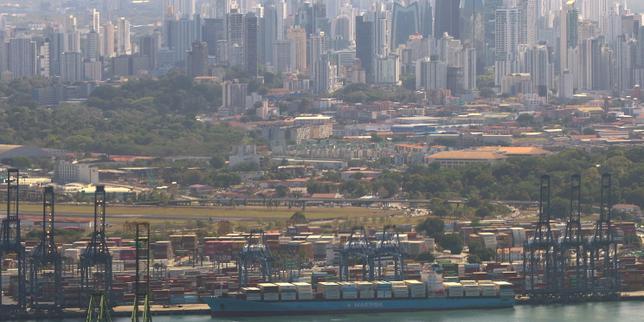
War doesn't just make things more expensive to build. It makes them nearly impossible to move. Iran’s proximity to the Persian Gulf means that a significant portion of the world's maritime trade is currently in the crosshairs.
Insurance companies are the first to react. If a cargo ship has to pass through a high-risk zone, the insurance premiums skyrocket. These "war risk" surcharges are passed directly to the consumer. I’ve seen instances where shipping a single container has gone from $2,000 to $8,000 in a matter of months. If that container is full of lightweight, low-margin items like soft toys, the shipping cost per unit becomes a massive percentage of the total price.
Some companies are trying to pivot to air freight to avoid the sea lanes, but guess what? Jet fuel is made from—you guessed it—crude oil. There is no escape from the energy market in a globalized economy.
How to Protect Your Budget From Rising Costs
You can’t stop a war, but you can change how you shop. If you know these price hikes are baked into the system, you can get ahead of them.
Start by looking for natural fiber alternatives. Cotton, wool, and wood aren't immune to inflation, but they aren't as directly tied to the daily fluctuations of the oil market as synthetics are. Wooden toys might cost more upfront, but they don't rely on paraffin or polyester.
Second, buy in bulk now if you see old stock on the shelves. Retailers usually don't raise prices on items they already have in the warehouse. The "Iran war tax" will hit the new shipments arriving next month. If you see your favorite brand of detergent or those specific crayons your kid needs at last year's price, grab them.
Keep an eye on the "Made in" labels too. Items produced closer to home might have higher labor costs, but they aren't as vulnerable to the insane shipping surcharges currently plaguing trans-Pacific trade. Localized manufacturing is becoming a hedge against global instability.
The reality is that we've spent decades building a world that runs on cheap, accessible oil. When that oil is threatened by conflict, the cost of living rises everywhere, not just at the gas station. It’s a wake-up call to how interconnected our daily lives are with regions halfway across the globe. Start looking at your purchases through the lens of their raw materials. It’s the only way to understand why your receipt is getting longer while your cart stays the same size.