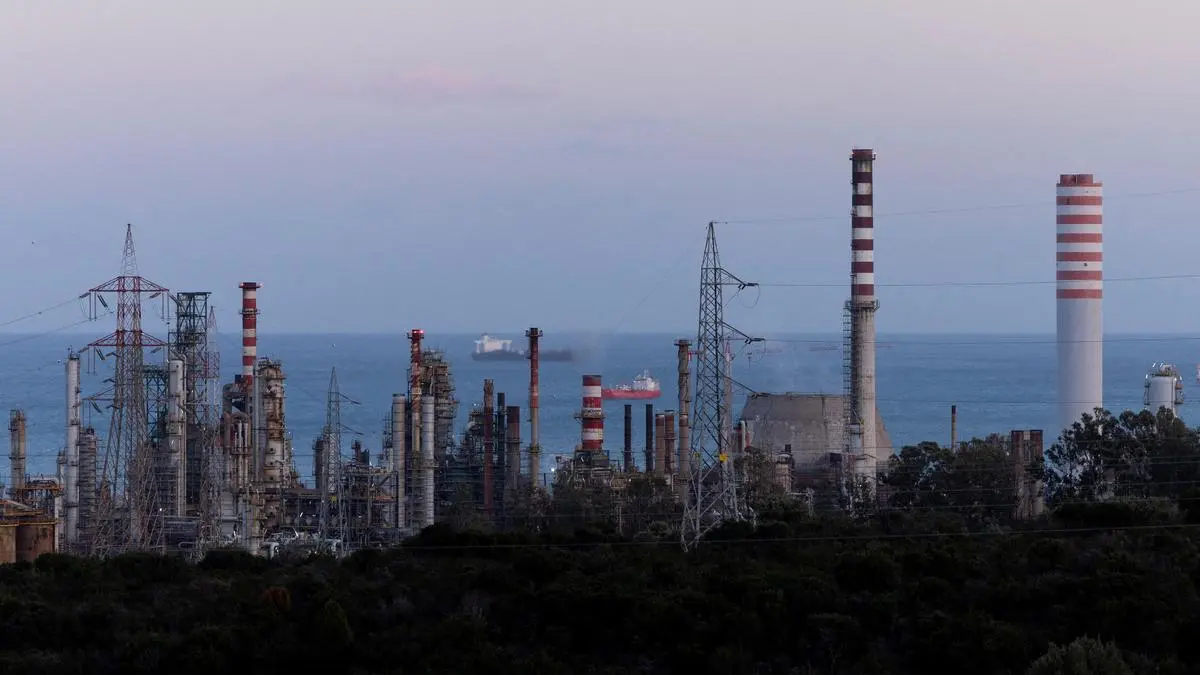
Iran wants its oil refineries back online within two months. It’s a bold claim, especially given the recent damage to its energy infrastructure. But if you look at the history of the Iranian oil industry, this kind of aggressive timeline isn't just talk. It’s a survival tactic. The country is betting heavily on its ability to repair and restore refining capability to keep its domestic economy from stalling out and to maintain its grip on regional energy influence.
The pressure is on. When a country’s primary economic engine gets hit, the clock starts ticking immediately. We aren't just talking about fixing a few pipes. We’re talking about complex distillation units, crackers, and storage systems that require precision engineering. Most Western analysts think sixty days is a pipe dream. I’d argue they’re underestimating the Iranian "resistance economy" mindset. They’ve spent decades learning how to fix things without help from the original manufacturers.
The Reality of Iran's Refining Infrastructure
Iran’s refining sector is a strange mix of vintage tech and modern homegrown solutions. You have facilities like the Abadan refinery, which is one of the oldest in the world, sitting alongside newer sites like the Persian Gulf Star Refinery. This diversity is actually a strength right now. It means they have a deep pool of engineers who are used to working on equipment that shouldn't, by all rights, still be running.
The current goal centers on restoring the majority of the nation's 2.4 million barrels per day capacity. Right now, significant portions of that are offline or throttled. The focus isn't just on crude throughput. They need gasoline and diesel. Without those, the internal logistics of the country crumble. If people can’t move goods or get to work, the political pressure on the government becomes unbearable.
Why the Two Month Timeline Matters
Timing is everything in the energy markets. By aiming for a two-month recovery, Iran is trying to signal to the world—and specifically to its buyers—that it’s still a reliable partner. If the repairs drag on for six months or a year, customers start looking elsewhere. They find new suppliers in Russia or the UAE. Once those supply chains shift, they’re incredibly hard to win back.
There’s also the seasonal factor. We’re heading into periods of higher demand. If Iran can’t meet its own domestic fuel needs, it has to import refined products. That’s a massive drain on foreign currency reserves that they simply can’t afford right now. They need to be exporters, not importers.
The Technical Hurdles Nobody Wants to Admit
Fixing a refinery isn't like fixing a car. It’s more like trying to repair a Swiss watch while it’s still ticking, and half the parts are custom-made. One of the biggest issues Iran faces is the procurement of specialized sensors and control systems. These are the "brains" of the refinery. While they can weld steel and patch tanks, the high-end electronics often fall under strict trade restrictions.
They’ve gotten good at "gray market" sourcing. They find ways to get what they need through third parties or they reverse-engineer the tech. It’s messy. It’s expensive. But it works. I’ve seen reports of Iranian firms developing their own catalysts and software to bypass Western patents. This isn't just about being stubborn; it’s about necessity.
The Role of Domestic Engineering Firms
In the past, Iran relied on giants like Total or Eni. Those days are over. Now, the heavy lifting is done by local firms like Khatam al-Anbiya. These organizations have become massive conglomerates with thousands of engineers. They don't have the same polish as a Houston-based firm, but they have the local knowledge and the political mandate to get things done at any cost.
- They prioritize speed over long-term efficiency.
- They use "good enough" materials to meet immediate deadlines.
- They bypass standard safety protocols that would slow down a Western project.
It sounds risky because it is. But when your back is against the wall, you take risks.
How This Shifts Global Oil Prices
The market hates uncertainty. Every time a report comes out about Iranian refining capacity, the price of Brent crude jitters. If Iran successfully brings its plants back online by the two-month mark, it puts downward pressure on prices. It signals a return to a more stable supply.
However, if they fail, expect a spike. Traders are watching the satellite imagery of these refineries like hawks. They’re looking for flares. They’re looking for tankers at the docks. If the smoke doesn't start rising from those stacks soon, the market will assume the damage was worse than Tehran admitted.
Geopolitical Fallout of a Fast Recovery
A quick recovery is a middle finger to those who want to see Iran weakened. It proves that despite sanctions and physical setbacks, the core of their power remains intact. It emboldens their diplomatic stance. They aren't going to the negotiating table as a defeated nation; they’re going as one that just took a punch and stayed standing.
This has a ripple effect across the Middle East. Rivals like Saudi Arabia have to recalibrate their own production levels. If Iran is back to full strength quickly, the OPEC+ math changes. It’s a high-stakes game of musical chairs where the music never stops.
What to Watch for in the Coming Weeks
Don't listen to the official press releases coming out of the Ministry of Petroleum. They’ll always say everything is on schedule. Instead, look for the secondary signs.
- Domestic Fuel Prices: If you see reports of gas shortages or rationing in Tehran, the repairs aren't going well.
- Tanker Tracking: Watch the movement of VLCCs (Very Large Crude Carriers) heading toward the Kharg Island terminal. If they’re sitting empty, the refineries are still choked.
- Regional Electricity Exports: Iran exports power to Iraq and other neighbors. If those lines go dark, it’s because they’re diverting every megawatt they have to keep the repair sites lit 24/7.
The next sixty days will determine the economic trajectory of the region for the rest of the year. It’s a race against time, physics, and international pressure. Iran is betting it can win. History suggests we shouldn't count them out just yet.
If you're tracking these developments, stop looking at the top-line oil prices and start looking at the internal logistics. The real story isn't in the price of a barrel; it’s in the grit of the engineers on the ground trying to weld a broken industry back together before the money runs out.