Water is supposed to save us. We drink it to revive our cells, we sweat it out in heavy afternoon exhaustion, and twice a day, we splash it over our faces to wash away the ghosts of the night. It feels pure. It hits the skin with a cool, familiar shock, sliding down the chin, dripping off the jawline, promising a clean slate.
Then comes the tight, itchy pull across the cheekbones.
Most people blame the weather. They point fingers at the dry indoor heat of winter, the creeping humidity of July, or a new cleanser that promised miracles and delivered betrayal. They buy heavier creams. They swap foaming gels for milky balms. They chase hydration across serum bottles and expensive oils, unaware that the enemy isn't what they are putting on their skin.
It is what is coming out of the tap.
The Chemistry of the Pipe
To understand why your skin feels like old parchment after a simple morning routine, you have to look past the porcelain basin and into the municipal infrastructure. Municipal water plants treat our supply with chlorine or chloramines to kill bacteria. It is a necessary public health measure. Without it, cities would collapse under waterborne epidemics.
Chlorine does its job. It sanitizes. But by the time that water travels through miles of aging iron, copper, and PVC pipes, picks up mineral traces, and blasts through your bathroom aerator, it is a chemical cocktail.
Free chlorine strips the skin of its acid mantle. That is not marketing hyperbole; it is basic biochemistry. Your skin barrier relies on a delicate film of lipids and oils, sitting at a slightly acidic pH of around 5.5, to lock in moisture and keep environmental irritants out. Municipal tap water is often more alkaline, and the residual chlorine acts as a solvent, melting away those protective lipids.
Every time you wash your face with unfiltered tap water, you are giving your skin a micro-dose of bleach.
Think about Sarah. Sarah is a hypothetical composite of thousands of urban dwellers, though her bathroom cabinet tells a story you might recognize. She spends three hundred dollars a month on clinical-grade retinoids, peptides, and ceramides. She applies them with religious precision, waiting the requisite minutes between layers. Yet, every afternoon, her cheeks flush red and her skin barrier cracks. She spends her life repairing damage she is actively recreating twice a day at her own sink.
When dermatologists are asked about bathroom sink filters, the conventional response is often guarded. They talk about hard water minerals like calcium and magnesium, noting that while hard water leaves a soap scum residue that clogs pores, it rarely causes acute chemical dermatitis on its own. But chlorine is different. Chlorine is an oxidizer.
The Hidden Toll of Hardness and Heavy Metals
Hard water is heavy. It carries dissolved rock. When hard water mixes with soap, it doesn't lather cleanly. Instead, it forms an insoluble calcium-soap curd that clings to the epidermis.
If you have ever noticed a chalky white crust building up around your showerhead or the base of your kitchen faucet, that is the same mineral film drying on your face. It acts like a microscopic net, trapping dead skin cells, sebum, and pollutants against the pores. Over time, this daily accumulation dulls the complexion, exacerbates eczema, and turns routine washing into an abrasive scrubbing session.
Lead, copper, and iron often join the party. Older apartment buildings feature ancient plumbing lines that leach trace metals directly into the morning stream. Iron can catalyze lipid peroxidation on the skin surface, accelerating cellular aging. Copper can interfere with the skin's natural moisture balance.
Yet, when people think of water filtration, they think of the kitchen. They buy under-sink reverse osmosis systems for drinking. They fill pitchers with activated carbon. They treat their digestive tracts like temples while treating their skin like a driveway being washed with a pressure washer.
The disconnect is staggering.
What the Experts Actually Say
When pressed off the record, skin specialists admit a quiet truth. Many of them use filtered water for their own sensitive patients. They see the rising tide of adult rosacea, inexplicable contact dermatitis, and chronic barrier dysfunction in urban centers with aggressive water treatment protocols.
Does a bathroom sink filter work miracles? It depends entirely on what is lurking in your pipes.
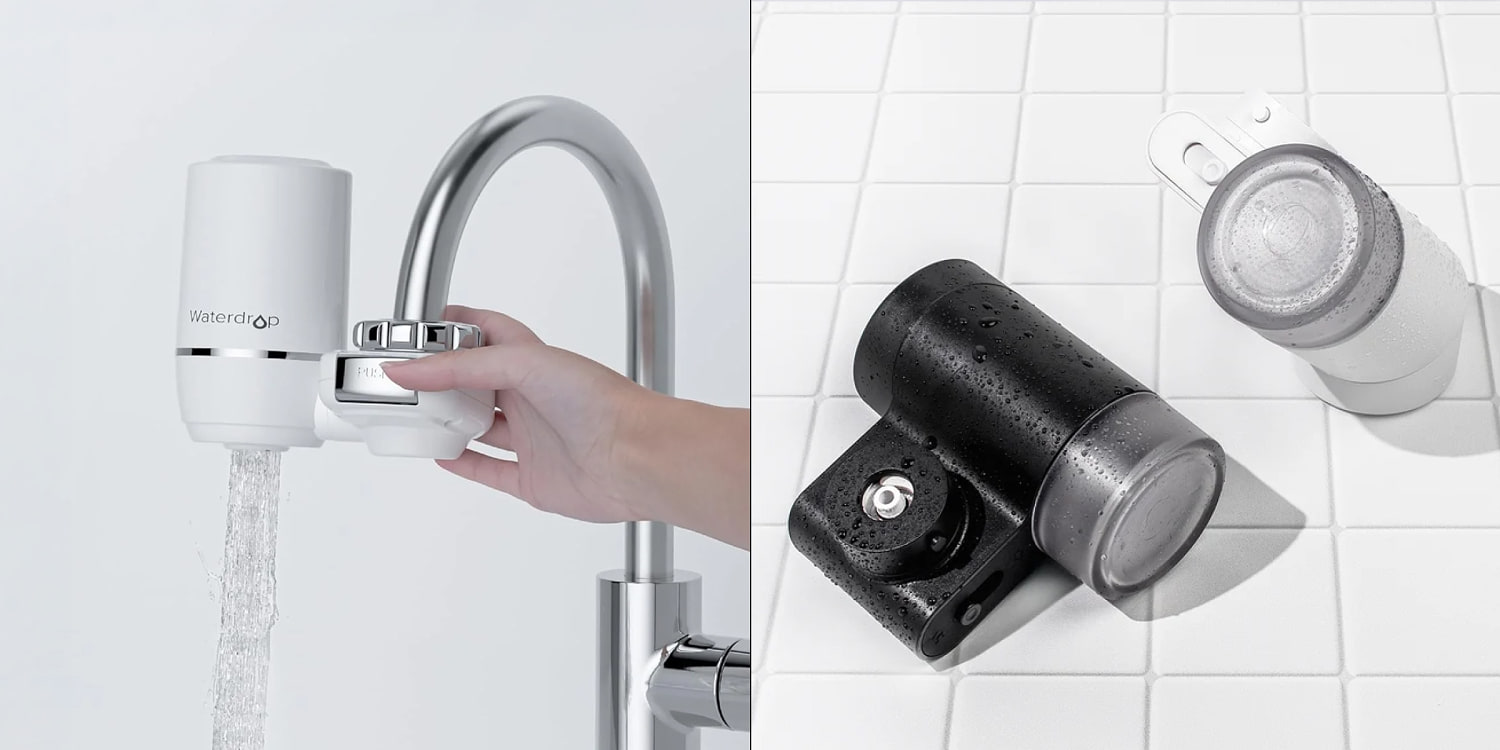
If your municipal supply relies heavily on chlorination, a simple carbon-based or KDF (Kinetic Degradation Flux) filter screwed onto your bathroom faucet will neutralize the free chlorine and chloramines before they touch your skin. The immediate sensation is distinct. The water feels softer, almost slick, lacking that harsh, squeaky-clean bite.
If your water is intensely hard, standard carbon won't do much; you need ion-exchange media or a softener. But for the average city dweller dealing with chlorine-induced irritation, a simple attachment changes the equation entirely.
Consider the mechanics. A multi-stage faucet filter uses activated carbon to trap organic compounds, calcium sulfite to tackle chlorine, and sometimes ceramic balls to balance pH. It turns municipal utility water back into something resembling natural spring water—gentle, neutral, and respectful of the human envelope.
The Shift in Perspective
We live in an era of hyper-optimized self-care. People track their sleep cycles with rings, measure their blood glucose with patches, and analyze the air quality in their bedrooms. We obsess over micro-details of wellness while ignoring the single most frequent liquid contact our bodies experience outside of drinking.
Water touches your face before dawn. It touches your face when you wash away the stress of the workday. It is the most intimate, recurring environmental exposure you have.
When you filter that water, the transformation isn't immediate and cinematic. There is no instant reversal of years of aging. Instead, something quieter happens.
The background hum of irritation stops.
The redness on the cheeks begins to recede, not because a new cream fixed it, but because the daily assault finally ended. The skin stops emergency-producing excess sebum to compensate for the lipids stripped away twenty minutes prior. Products start working better because they no longer have to fight through a mineral crust and a compromised barrier.
You realize that healing isn't always about adding more. Sometimes, it is simply about removing the invisible friction.
The water runs clear from the tap, steady and cold, carrying its silent history through the walls of the house. You cup your hands, bring it to your face, and for the first time, you aren't fighting what is in your hands. You are just washing your face.