The air in the Chubut Province of Argentina feels cleaner than almost anywhere else on Earth. It is a place of jagged peaks and crystalline lakes, where the wind screams across the steppe with a purity that suggests nothing could ever be wrong. But inside a small, rustic cabin on the outskirts of Epuyén, a man breathes in. He isn't thinking about viral loads or zoonotic spillover. He is just sweeping up the dust left behind by a long winter.
He doesn't see the microscopic particles rising from the floor. He doesn't notice the faint, musky scent of a long-gone long-tailed pygmy rice rat. Within weeks, that simple act of cleaning—a chore as mundane as washing dishes—will transform into a struggle for air that reflects a growing crisis at the bottom of the world. Also making waves in this space: The Ghost on the Passenger List.
While the world watched a cruise ship dock with reports of illness, the real story wasn't just on the water. It was in the soil, the rodents, and the changing climate of the Andes.
The Fever in the Dust
Hantavirus is not like the flu, though it starts that way. It begins with a deceptive simmer: muscle aches, a shivering fatigue, the kind of malaise you might dismiss after a long day of hiking. But then the lungs begin to fill. Not with fluid from the outside, but with the body’s own plasma, leaked from capillaries that have suddenly lost their integrity. It is called Hantavirus Pulmonary Syndrome (HPS). It is rare. It is brutal. More insights into this topic are detailed by National Institutes of Health.
In Argentina, specifically in the lush corridors of the south, the virus has found a permanent home. Unlike the variants found in North America, which rarely jump from person to person, the "Andes" strain of the virus in South America carries a darker trait. It can move through a hug. It can travel through a shared glass. It can turn a funeral for one victim into a catalyst for ten more.
Consider a hypothetical family gathering in a mountain village. We’ll call the patriarch Mateo. Mateo spends his weekends clearing brush and stacking wood. He is the picture of rugged health. When he develops a cough, his daughter sits by his bed, wiping his brow and holding his hand. She is the next to fall. This isn't just a medical statistic; it is a breakdown of the very rituals we use to comfort the sick. The Andes strain weaponizes empathy.
A Ship Haunted by the Land
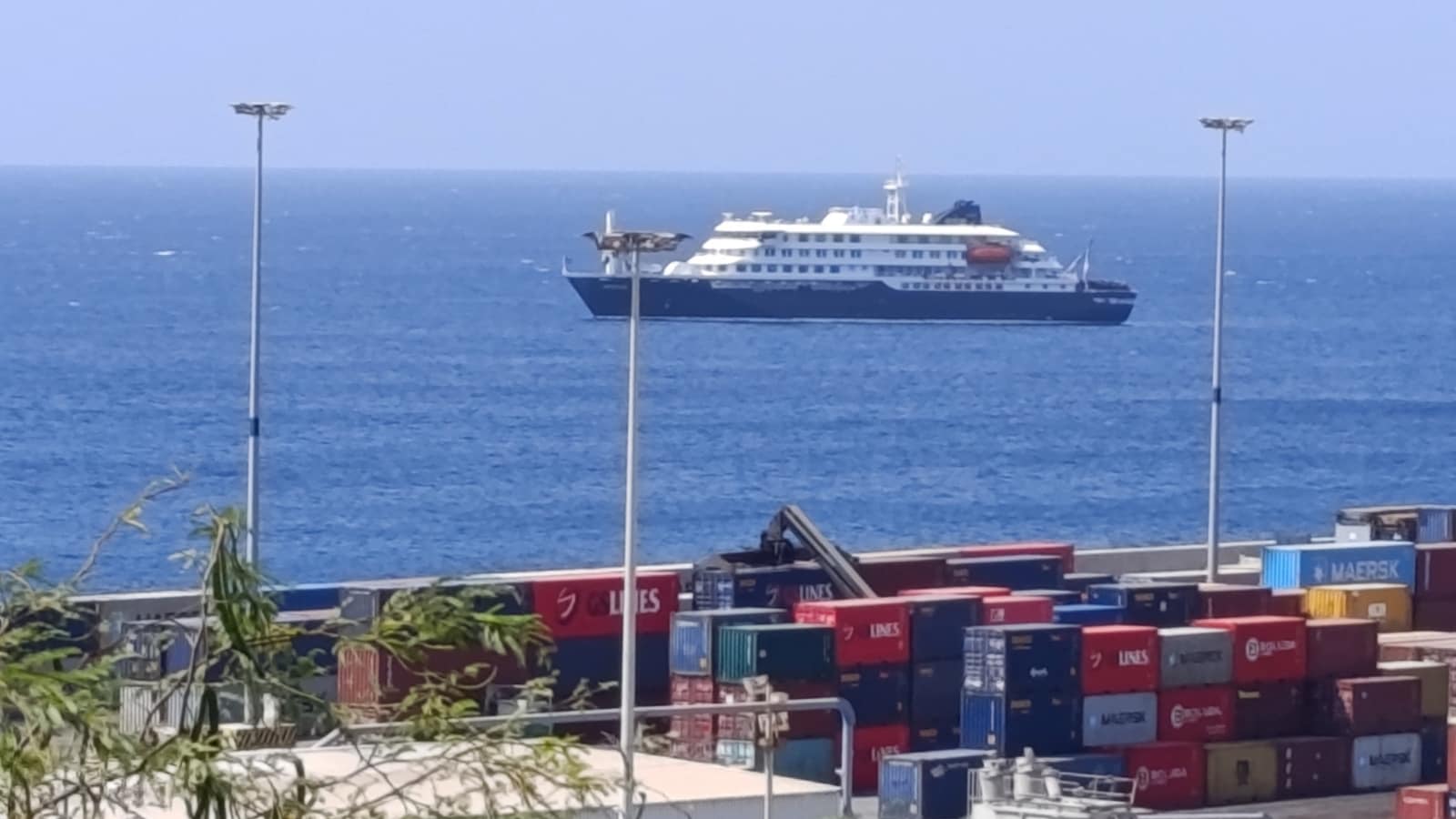
When news broke that a cruise ship, the Celebrity Eclipse, had docked with a confirmed case of Hantavirus, the headlines focused on the luxury liner. It’s an easy image to grab onto—the juxtaposition of high-end vacationing and a prehistoric, deadly virus. But the ship was merely a vessel for a story that started much earlier, in the dusty trails and rural outposts where the journey began.
The passengers had trekked through the wilderness of Patagonia. They had walked where the Oligoryzomys longicaudatus—the long-tailed rice rat—scurries. These rodents are the silent reservoirs of the virus. They don't get sick. They simply shed the pathogen in their urine and droppings. When that waste dries and is kicked up by a boot or a broom, it becomes an aerosol.
Inhalation. That is all it takes.
The rise of cases in Argentina isn't a fluke of bad luck. It is a biological response to environmental shifts. When the bamboo flowers in the Andes—a rare event known as a ratada—the rodent population explodes. Millions of new hosts are born into the forest, and as they compete for space, they move closer to human dwellings. They move into the sheds, the kitchens, and the campsites.
The Logistics of a Breath
We often think of modern medicine as an impenetrable shield, but Hantavirus humbles that assumption. There is no vaccine. There is no specific antiviral "cure" that wipes it out. The treatment is primal: we provide the body with the oxygen it can no longer grab for itself and wait to see who wins the war of attrition.
In the remote regions of Argentina, the stakes are even higher. If you are in a village six hours away from a hospital with an Extracorporeal Membrane Oxygenation (ECMO) machine, time becomes your greatest enemy. ECMO is essentially an external lung. It takes your blood out, scrubs it, bubbles oxygen into it, and pumps it back in. It is a miracle of engineering, but it cannot be easily moved to the side of a mountain.
The rise in cases demands a shift in how we perceive "wild" spaces. For years, the message to travelers was simple: enjoy the view. Now, the message is more clinical. Wear a mask when entering closed-off cabins. Use bleach to dampen dust before you sweep. Don't sleep on the bare ground. These aren't just suggestions; they are the thin line between a memorable vacation and a medical evacuation.
The Weight of the Invisible
There is a psychological toll to an outbreak that travels through the air and through the people you love. In the 2018-2019 outbreak in Epuyén, the community was forced into a "selective isolation." It wasn't a government lockdown of a whole city, but a targeted, painful distancing. Neighbors stopped waving. Families stayed behind closed doors, watching the wind shake the trees, wondering if the very air that drew them to the mountains had turned against them.
We like to believe we have conquered the wilderness, or at least tamed it enough for a comfortable photograph. But Hantavirus reminds us that we are part of an ecosystem that doesn't care about our itineraries. The virus has existed in these rodents for millennia. It is only when we intersect with their world—either through expansion, climate-driven population spikes, or simple curiosity—that the "rise" occurs.
The numbers in Argentina are climbing because the border between the human world and the wild world is thinning. It’s in the warmer winters that allow more rodents to survive. It’s in the encroachment of vacation homes into old-growth forests.
Beyond the Cruise Ship
Focusing on a ship is a way of distancing ourselves from the reality of the earth. A ship is a controlled environment; we can disinfect a ship. We cannot disinfect the Andes. We cannot bleach the Patagonian steppe.
The man in the cabin finished his sweeping hours ago. He is sitting on his porch now, watching the sun dip behind the peaks, feeling a slight tickle in the back of his throat. He thinks it’s just the dust. He thinks he just needs a glass of water and a good night's sleep. He doesn't know that inside his chest, a microscopic stowaway is already beginning to replicate, turning the simple act of breathing into the hardest work he will ever do.
The wind continues to blow across the lake, indifferent to the fever, carries the scent of pine and the silent, weightless threat of the dust.