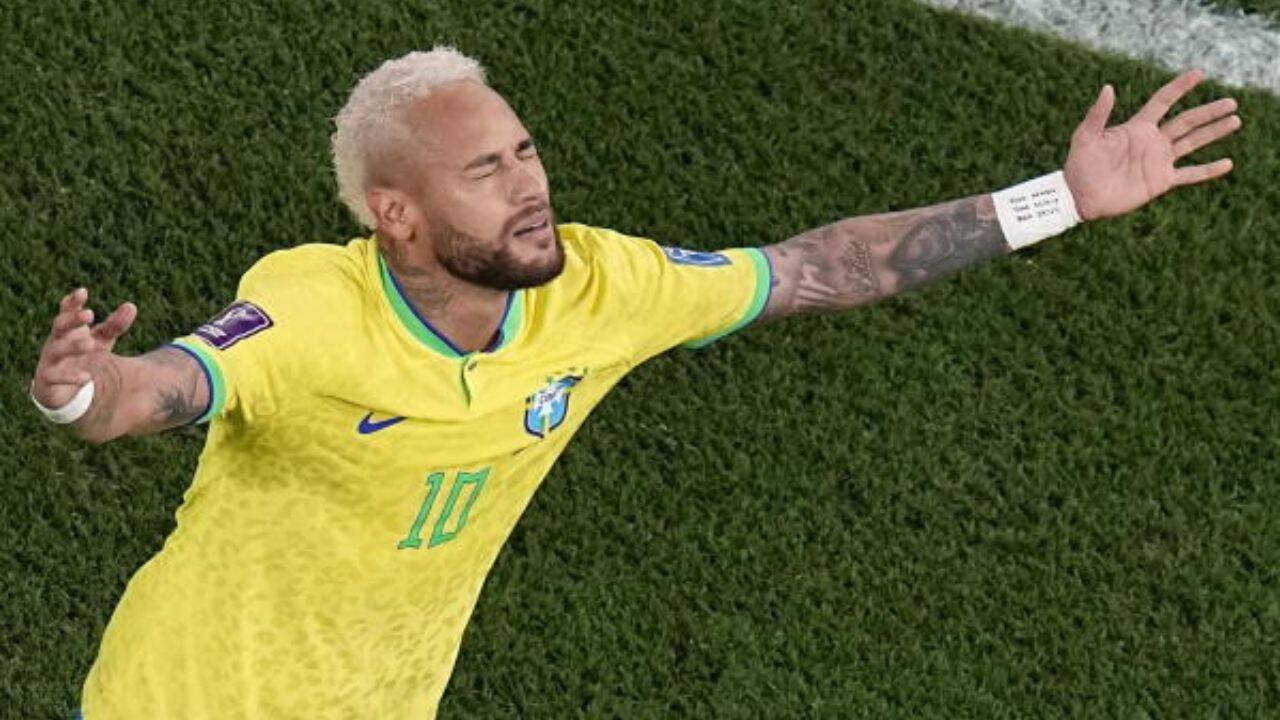
Kylian Mbappé converted a 70th-minute penalty in Philadelphia to send France past Paraguay into the World Cup quarter-finals, but the real fallout began hours later on digital networks. What should have been a standard celebration of a hard-fought 1-0 knockout victory turned into an international diplomatic crisis. Paraguayan Senator Celeste Amarilla launched an aggressive racist tirade on X, calling the French captain a "colonised Cameroonian" and a "brute." Mbappé fired back, calling Amarilla "despicable" and "unworthy" of her legislative seat. This clash reveals a much deeper issue that football executives continue to ignore.
The standard media narrative focuses purely on the exchange of insults. Headlines frame it as a simple player-versus-politician feud. It is far more dangerous than that. This incident exposes how top-tier political figures now weaponize football culture to fuel nationalist agendas.
The Weaponization of Football Identity
Political figures have long used sports for nationalist pride. Amarilla took this tactic to a darker extreme. By targeting Mbappé’s Cameroonian heritage and mocking his upbringing and education, she targeted the multi-ethnic identity of modern European football squads.
She was not alone in setting this tone. Days before the match, legendary former Paraguayan goalkeeper José Luis Chilavert publicly referred to the French national team as "a squad from Africa." When a political leader echoes the inflammatory rhetoric of sports icons, it signals a systemic strategy. It normalizes prejudice under the guise of patriotic sports banter.
Amarilla later deleted her posts and issued an open letter expressing regret. However, she simultaneously demanded an apology from Mbappé, claiming his sharp response constituted "gender-based violence." This rhetorical pivot shows how modern politicians manipulate social justice language to deflect from blatant bigotry.
The Failure of Governing Bodies
The French Football Federation acted quickly by filing a formal complaint with public prosecutors in Paris. French President Emmanuel Macron and various politicians voiced public support for Mbappé. The Paraguayan government officially rejected Amarilla's comments, stating they do not represent the values of the nation.
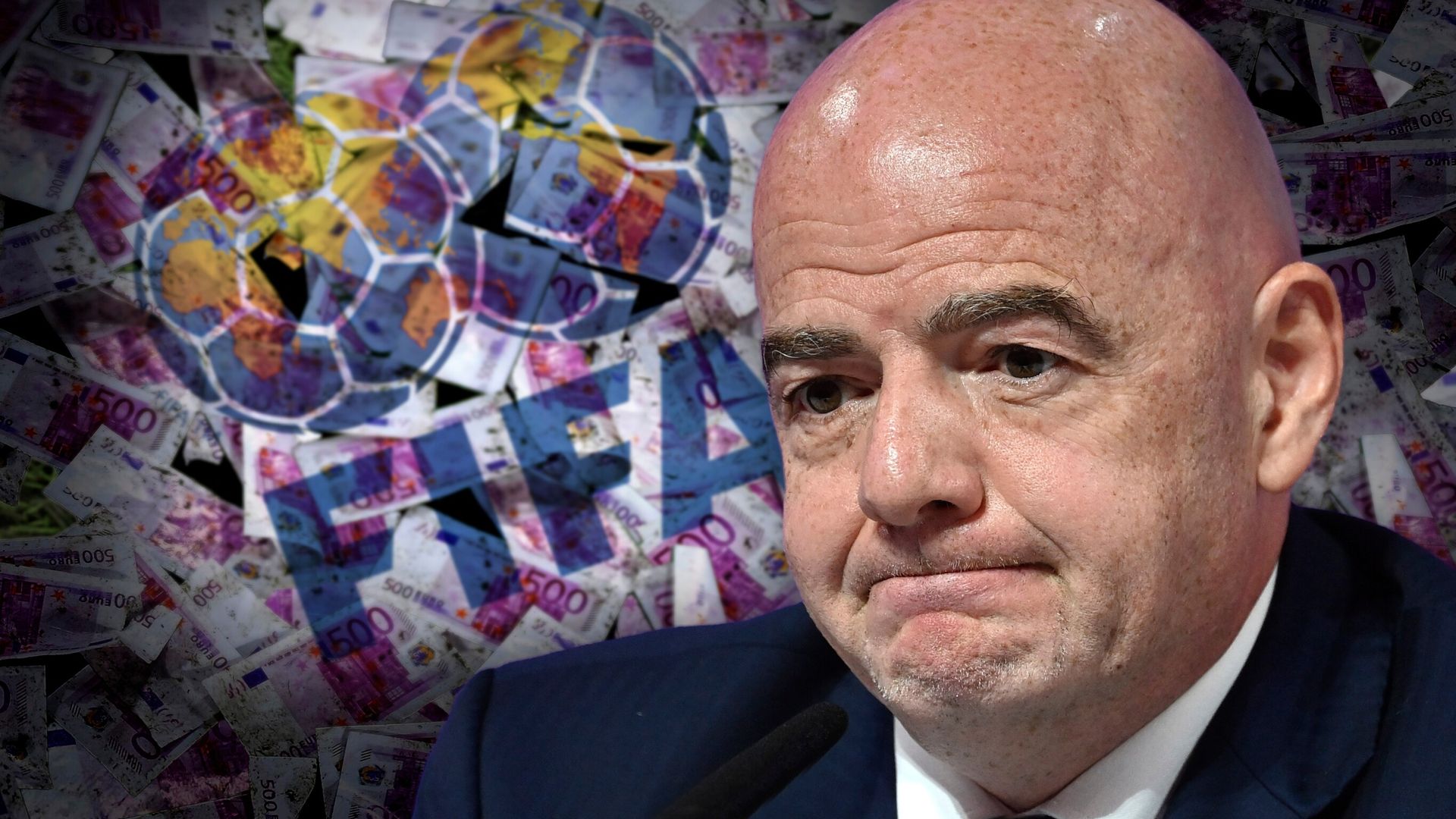
These institutional responses do not solve the structural problem. FIFA has spent years promoting anti-discrimination campaigns, yet these protocols fail when the abuse comes from government officials outside the stadium. Stadium bans and fines cannot touch a sitting senator in South America.
The legal reality is incredibly complicated. French prosecutors have opened an investigation into aggravated public insult and incitement to hatred. Amarilla dismissed the probe, telling reporters that France has no legal basis to pursue a case against her. She remains protected by her legislative immunity and geographic distance, highlighting the complete toothlessness of international sports law when confronting political actors.
A Double Standard in Global Accountability
Football authorities react aggressively when fans shout slurs from the stands. Matches are paused, sections are closed, and clubs face heavy financial penalties. When a high-ranking politician broadcasts identical hatred to millions of followers online, the system stalls.
The burden of defense consistently falls on the players themselves. Mbappé chose to speak out directly to protect his identity and the reputation of the Paraguayan players who fought cleanly on the pitch. Expecting athletes to serve as frontline diplomats while multi-billion-dollar sports federations hide behind press releases is entirely unsustainable.
This crisis proves that modern football is no longer just a sport separated from global politics. The pitch has become a battleground for identity, nationality, and political posturing. Until international governing bodies establish severe consequences for federations whose political leaders cross these lines, these high-profile incidents will keep happening, overshadowing the actual sport and leaving the world's best athletes completely unprotected.