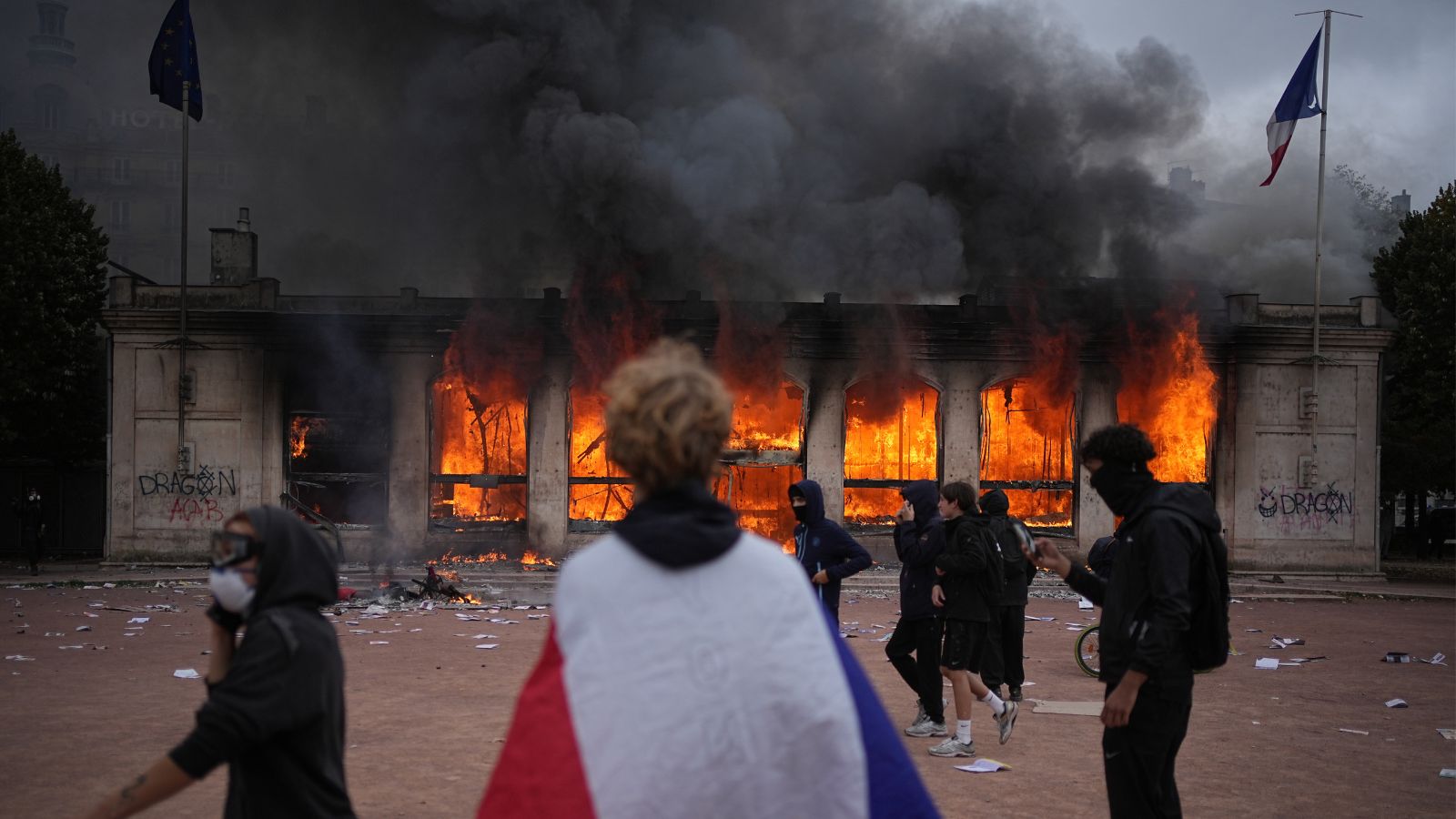
Five Canadian soldiers are dead and dozens more have suffered severe burns and airway injuries after a wind-driven fire tore through a training exercise at Canadian Forces Base Wainwright in Alberta on October 17, 2026. What early wire dispatches framed as a "serious incident" or a routine mishap has exposed deeper vulnerabilities across live-fire range management, extreme prairie wind behavior, specialized burn capacity, and overlapping oilfield infrastructure on military land.
For decades, I have watched breaking-news coverage of industrial and military disasters follow a predictable script. First comes the breathless tally of casualties and an official phrase meant to buy time before the facts settle. Then come the memorials, the press conferences, and the quiet drift of attention toward the next headline. For a more detailed analysis into this area, we suggest: this related article.
At CFB Wainwright, southeast of Edmonton, the human toll has continued to climb weeks after the initial blaze. Four soldiers died in the immediate aftermath, and a fifth, Private William Douglas Dal Bianco of the 3rd Battalion, Princess Patricia's Canadian Light Infantry, died in an Ontario hospital in mid-November after succumbing to his injuries. Roughly 350 troops from the 3rd Battalion were taking part in training when the fire overtook them, and dozens required hospitalization, with many needing intensive care, ventilators, and specialized burn treatment across Alberta, British Columbia, and Ontario.
How a Range Ignition Became a Fast-Moving Trap
Fire does not move at a polite walking pace when dry grass and stiff prairie winds align. Sudden, strong gusts—severe enough that Environment and Climate Change Canada issued weather warnings for parts of Alberta that day—accelerated the flames rapidly across the terrain, pushing the fire through troops on the ground and eventually over the base perimeter toward nearby rural areas and the town of Wainwright. To get more context on this development, comprehensive coverage can also be found on BBC News.
Reports indicate the blaze began on a grenade launcher range where firefighters could not immediately enter. Live-fire and ordnance ranges create an inherent access dilemma that civilian fire departments rarely face. Unexploded ordnance, pyrotechnics, and active firing lanes force responders to weigh immediate suppression against blast and fragmentation hazards.
That delay matters enormously in wind-driven grass and brush fires. Dry cured vegetation burns with low structural mass and high surface area, which means flames can race across open ground far faster than heavy apparatus can reposition. When wind shifts or spikes unexpectedly, an ignition point that looks manageable on paper can outflank a training group in minutes.
Military commanders have pointed to the rapid spread of the fire as a primary factor in the deaths and injuries. Investigations by military police, a military board of inquiry, and parallel review processes are examining how conditions, training execution, and emergency response intersected on October 17.
The Overlooked Collision of Military Ranges and Oil Wells
Most coverage of the fire has focused on the tragic casualty count and the grief of families holding bedside vigils in burn units. Yet a sharper look at the site reveals a friction point unique to Alberta: active and suspended oil and gas infrastructure sitting inside or adjacent to a major training installation.
Military officials have stated there was no indication that oil and gas infrastructure was involved in the fire or that explosions occurred. Still, the timing has reignited a fierce regulatory dispute. Days before the fire, on October 5, the Alberta Energy Regulator placed the assets of Calgary-based Sumerian Oil and Gas—including more than 300 well licences at CFB Wainwright—under the custody of the Orphan Well Association following enforcement actions, unpaid regulatory fees, and alleged unaddressed leaks.
Sumerian Oil and Gas has alleged that its wells in the fire zone were not properly shut in ahead of the blaze and says its staff alerted the emergency line that night once flames neared the sites. Regulators and observers familiar with orphan and suspended well oversight have pushed back on the company's framing, noting that the operator lost control over its sites due to serious compliance failures.
Even where wells do not ignite or explode, their presence complicates disaster response. Crews operating near industrial wellheads, pipelines, or suspended sites must account for potential hydrocarbon hazards, access restrictions, and asset custody handoffs during an active emergency. As wildfire intensity grows across Western Canada, the overlap between energy infrastructure and high-risk land uses like live-fire training is an operational reality that cannot be brushed aside.
What Burn Trauma and Recovery Really Demand
Survival in a severe thermal event is only the opening chapter of a much longer medical ordeal. Smoke inhalation and flash or flame burns punish the body on multiple fronts at once, straining airways, fluid balance, skin integrity, and immune defenses.
That explains why so many injured soldiers required ventilators and prolonged stays in specialized burn units. Burn care is resource-intensive by nature. A single critically burned patient can demand round-the-clock nursing, repeated surgical debridement and grafting, infection control, and months of physical and psychological rehabilitation.
| Aspect of the Aftermath | Operational & Human Reality | Key Unresolved Question |
|---|---|---|
| Fire Behavior & Terrain | High winds drove grass and brush fire rapidly across training ground and toward surrounding areas. | How can live-fire weather thresholds better account for sudden wind gusts? |
| Range Access & Ordnance | Ignition occurred on a grenade launcher range where immediate firefighter entry was restricted. | What protocols govern rapid containment when ordnance hazards block entry? |
| Medical & Burn Care | Dozens injured; multiple soldiers placed on ventilators with multi-province care and transfers. | How well do regional burn networks scale during sudden mass-casualty surges? |
| Oilfield & Regulatory Overlap | Over 300 well licences at Wainwright had recently shifted to orphan-well custody amid disputes. | How are suspended or disputed energy sites secured before high-risk exercises? |
Transferring soldiers closer to home provinces like British Columbia and Ontario helps families stay near loved ones during grueling recovery timelines. It is a humane and practical step. Yet it also underscores how concentrated specialized burn capacity is across the country, meaning a single major incident can ripple across provincial health systems.
Information Lockdowns and Public Trust
Immediately after the fire, family members reported a communications lockdown at the base. Former military officers have noted that restricting unofficial details is standard protocol after a major incident—largely to protect operational security, preserve investigative integrity, and prevent loved ones from learning tragic news through rumors or social media before formal next-of-kin notifications are complete.
That protocol has a clear rationale. It is not a perfect solution.
In high-stress moments, silence creates a vacuum. When verified details arrive slowly, speculation fills the gap—ranging from exaggerated casualty rumors to unconfirmed claims about explosions or outside threats. Officials moved quickly to rule out terrorism and clarify evolving fatality numbers as injuries proved fatal, yet public confidence depends on transparent follow-through once initial notifications are done.
A board of inquiry can examine chain-of-command decisions, range safety rules, and weather triggers. Military police can investigate criminal or regulatory angles. Real accountability requires publishing clear, plainspoken findings rather than burying hard lessons inside bureaucratic summaries.
Guardrails for High-Risk Training Going Forward
No training exercise is completely risk-free. Preparing soldiers for demanding combat conditions requires realistic scenarios, live ammunition, and tough physical standards.
Pretending otherwise is dishonest. Accepting preventable blind spots is worse.
Reviewing wind-speed cutoffs, pre-exercise fuel and moisture checks on ranges, and coordination between base fire services, municipal responders, and energy regulators offers concrete guardrails before the next deployment cycle. Five young men—Sergeant Morgan Wong, Private Shaun Farrell, Private Aidan Goulding, Private Hayden Lykkemark, and Private William Douglas Dal Bianco—lost their lives in a training fire on home soil. Honoring their service starts with enforcing strict weather and range safety rules before a single round is fired on the next exercise.