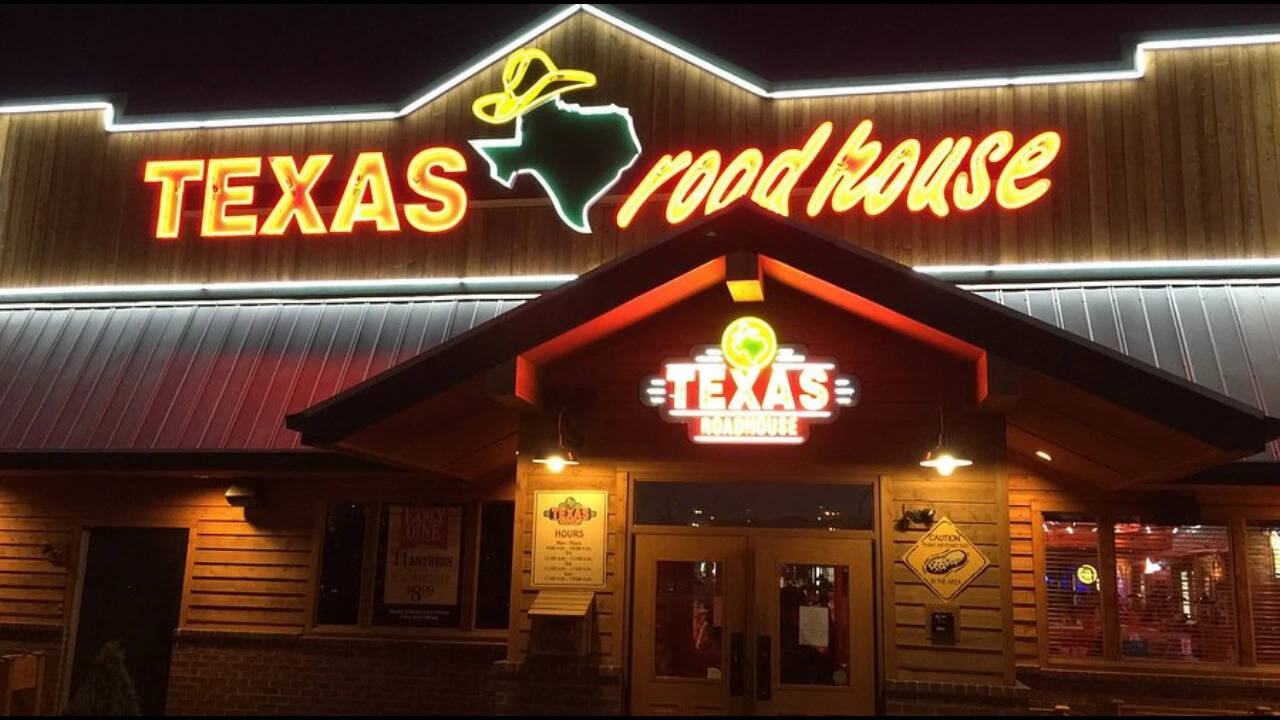
The modern digital panic cycle requires only a single unverified screenshot to mobilize thousands of outraged voices before breakfast. In August 2026, popular American steakhouse chain Texas Roadhouse became the latest target of a viral disinformation campaign. An unverified claim swept across X, TikTok, and Facebook, alleging that a massive, 400,000-member private Facebook group existed where white servers plotted to contaminate the food of Black customers. Specific, visceral descriptions of finger-licking, roll-touching, and saliva contamination were shared thousands of times. Boycott calls erupted instantly.
Yet beneath the immediate wave of online fury lay a stark reality. There was never any evidence. No specific restaurant was named. No individual employee was identified. No victim came forward with a verified incident. Within days, corporate leadership pushed back hard, labeling the claims a complete hoax backed by third-party cybersecurity findings.
This incident exposes a dangerous vulnerability in how contemporary digital platforms process outrage. It demonstrates how malicious actors can weaponize social anxieties to manufacture chaos for massive corporate entities and their frontline workers.
The Anatomy of a Digital Fabrication
Understanding how this rumor spread requires examining the mechanics of platform algorithms. The narrative began with a post inside one of several groups bearing the name "White and proud". A user writing under the alias Nancy Smith targeted Black diners with a warning about a supposed secondary network of restaurant workers.
The architecture of these platforms rewards high-arousal emotions. Anger and fear circulate exponentially faster than nuance or verification.
- Accounts with large followings amplified the screenshot without cross-checking claims.
- Short-form video creators repackaged the text into dramatic warnings for quick engagement.
- Nuance was stripped away as the rumor jumped from platform to platform.
By the time the panic reached peak velocity, secondary posters were treating the unverified text as an established conspiracy. The original poster’s account history and the murky origins of the group itself were swallowed by the rush to judgment. When viral outrage outpaces basic fact-checking, millions of users consume fiction disguised as public safety alerts.
Corporate Defense in the Age of Instant Backlash
When a nationwide hospitality brand faces accusations of systemic malice, standard public relations playbooks often fail. Silence looks like guilt. Immediate denials can sound defensive.
Texas Roadhouse executives chose an aggressive transparency strategy. They deployed short-form video statements directly to their customer base, categorized the allegations as completely unfounded, and engaged an independent third-party cybersecurity firm to trace the origins of the disinformation. They also detailed internal operational controls, such as manager-monitored expo windows where prepared plates move directly from kitchen staff to service teams without unsupervised gaps.
This response highlights the heavy machinery required to combat modern hoaxes. Brands can no longer rely solely on traditional press releases. They must fight algorithms with rapid-response multimedia and verifiable security audits.
Even so, the damage inflicted by a viral lie leaves a lasting mark. Several social media users who initially amplified the accusations later retracted their statements and apologized, admitting the panic was entirely ungrounded. But apologies rarely travel as far as the original accusation. Thousands of consumers scrolling past the initial warnings absorbed only the headline of contamination, leaving a lingering cloud over hourly workers who had nothing to do with the fabrication.
The Broader Vulnerability of Public Trust
The ease with which this Texas Roadhouse rumor captured public attention points to a deeper societal exhaustion. Communities of color navigate historical and contemporary realities of discrimination that make systemic mistreatment entirely plausible to imagine. Bad actors exploit this very pain, manufacturing extreme scenarios designed to fracture trust between everyday patrons and service workers.
When fake scandals dominate digital feeds, they drain credibility from genuine reports of injustice. Every manufactured hoax supplies ammunition to skeptics who seek to dismiss real accountability when actual misconduct occurs. The primary victims of these digital fabrications are not just the corporate balance sheets of targeted companies, but the collective clarity required to identify and fight actual harm.
Online platforms continue to incentivize the creation of inflammatory content through engagement-driven metrics. Until those architectural incentives change, unverified screenshots will remain loaded weapons waiting for the next spark.