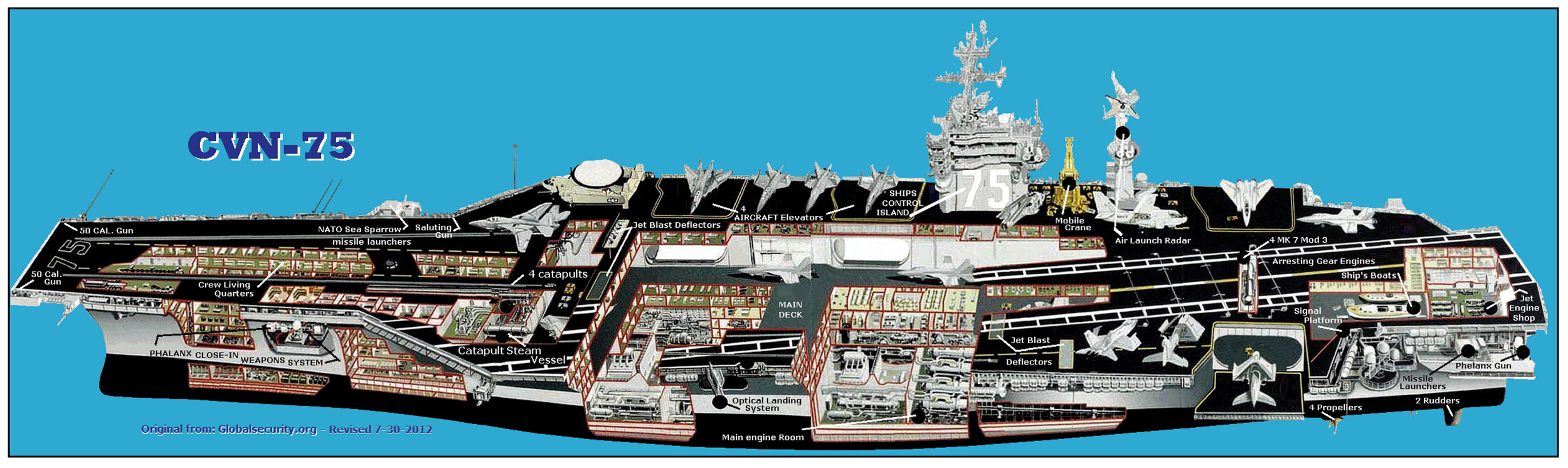
The modern American warship is an engineering marvel designed to project absolute power across vast oceans. Yet beneath the flight deck of the USS Abraham Lincoln, a quieter, more corrosive battle has been raging. After spending more than 260 consecutive days at sea without a significant port call, the roughly 5,000 sailors and marines aboard the Nimitz-class aircraft carrier have become the focal point of a fierce political and military dispute over operational tempo, chronic exhaustion, and institutional accountability.
When U.S. Central Command leader Admiral Brad Cooper flew out to visit the carrier, he stepped into a public relations firestorm. Cooper praised the crew's resilience as awe-inspiring, asserting that the Lincoln maintained among the lowest numbers of mental health cases across the Navy's active carrier fleet. That optimistic assessment stood in sharp contrast to alarming accounts emerging from families, military unions, and congressional inquiries. Reports of deteriorating living conditions, broken plumbing, water shortages, and sailors attempting to jump overboard painted a picture of a crew pushed past its absolute breaking point.
This friction exposes a deeper systemic failure within the Department of Defense. The gap between political ambition and the physical limits of human beings operating complex naval hardware is widening into a chasm.
The Grind of an Endless Deployment
To understand why a nearly nine-month deployment without dry land breaks a crew, one must examine the operational reality of life inside a floating steel city. The Lincoln left its home port of San Diego in late November, initially scheduled for standard rotations before being abruptly redirected to the Middle East to support combat operations against Iran. What was supposed to be a routine six-month tour stretched indefinitely.
Extended deployments are not merely tests of endurance. They are psychological endurance races stripped of any finish line. When sailors lose visibility on when they might see their families, baseline stress levels transition into chronic trauma responses.
Military health experts have long warned that the human brain requires periods of decompression. Without a port visit to stand on dry land, process stressors, and break the monotonous rumble of shipboard machinery, cumulative fatigue sets in. Sleep deprivation becomes institutionalized. Maintenance backlogs snowball as mechanical systems fail under sustained combat tempos.
Lawmakers including Senator Richard Blumenthal and Representative Mike Levin voiced sharp alarms after receiving desperate messages from family members. Reports surfaced regarding moldy showers, broken toilets, and mail backlogs that left care packages stranded for months. These are not minor inconveniences. In a high-stress combat zone, environmental degradation directly attacks morale. When a sailor cannot secure a hot shower, clean drinking water, or a functional head after a sixteen-hour shift on the flight deck, the message sent by the chain of command is that their basic human dignity is secondary to the mission.
The Clash Over Narrative and Reality
The official response from military leadership followed a familiar defensive playbook. Defense Secretary Pete Hegseth dismissed reports of deteriorating conditions as misinformation, claiming the accounts completely misrepresented reality. Political appointees emphasized that professional mental health networks, chaplains, and medical officers remained fully operational aboard the vessel.
This creates a dangerous credibility gap between Pentagon headquarters and the mess decks.
When a four-star admiral visits a ship for a few hours, he sees a curated snapshot. He interacts with division officers and leadership teams who have a vested interest in projecting competence. He does not sleep in berthing compartments where thirty people share a cramped space filled with the hum of ventilation fans and the anxiety of impending flight operations.
Downplaying crew distress as fake news ignores the historical precedent of naval strain. When the USS George Washington suffered a cluster of sailor suicides during an extended overhaul period, subsequent investigations revealed institutional blindness to the mental toll of isolated, substandard living environments. The Navy promised reforms, yet here the service repeated the exact same pattern on an active combat deployment.
The political leadership's insistence that everything is fine ignores the basic arithmetic of force management. Pushing a 37-year-old carrier and its exhausted crew past 260 days at sea is a symptom of a hollowed-out force structure. Washington keeps writing checks that the carrier fleet's human capital cannot cash.
The Structural Rot of High Operational Tempo
The core issue extends far beyond the Lincoln. The United States Navy is attempting to maintain a global footprint with a shrinking inventory of active aircraft carriers. When one region flares up, politicians pull levers to redirect strike groups, automatically canceling scheduled maintenance windows and extending rotations.
Every extension trades tomorrow's readiness for today's geopolitical signaling.
The human cost of this strategy is accumulating quietly. Experienced technicians, nuclear operators, and aviation ordnancemen are leaving the service in droves once their enlistments end. They are refusing to re-enlist into a culture that views human endurance as an infinite resource. Replacing an experienced petty officer takes years of specialized training; replacing a damaged ship takes billions of dollars and half a decade. Yet the Pentagon routinely treats sailors as the most disposable component in the defense budget.
Acting Navy Secretary Hung Cao ultimately confirmed that the Lincoln would finally sail home, acknowledging the immense pressure placed on the force. But an individual homecoming does not solve the structural rot. The next carrier slated for an extended rotation will face the exact same pressures, the same deferred maintenance, and the same institutional denial.
Until civilian and military leaders acknowledge that the limits of American power are defined by the psychological and physical limits of the sailors manning the fleet, these crises will continue to repeat. No amount of top-down praise from visiting admirals can substitute for adequate rest, reliable equipment, and an honest assessment of what the nation's armed forces can sustainably endure.