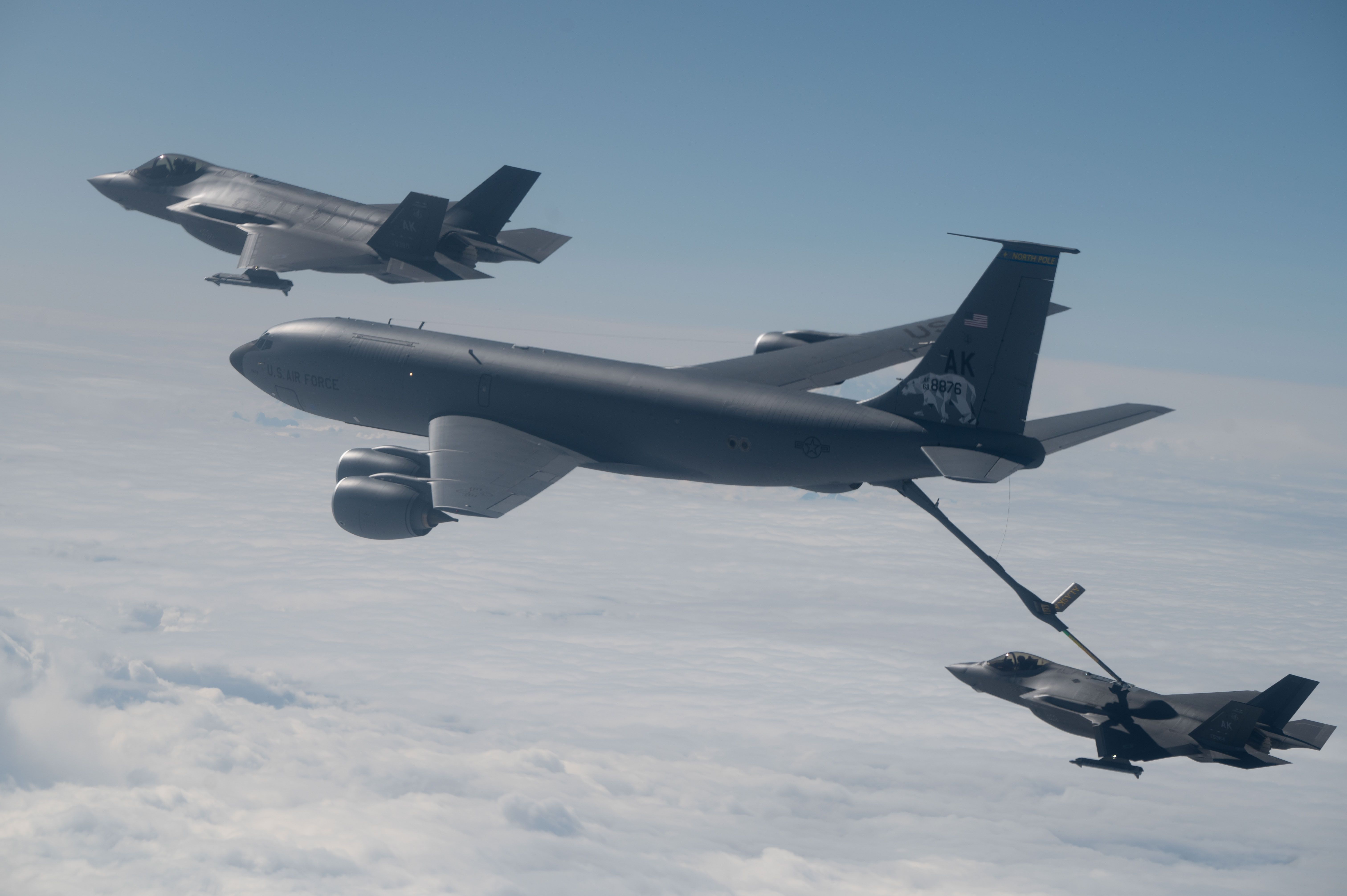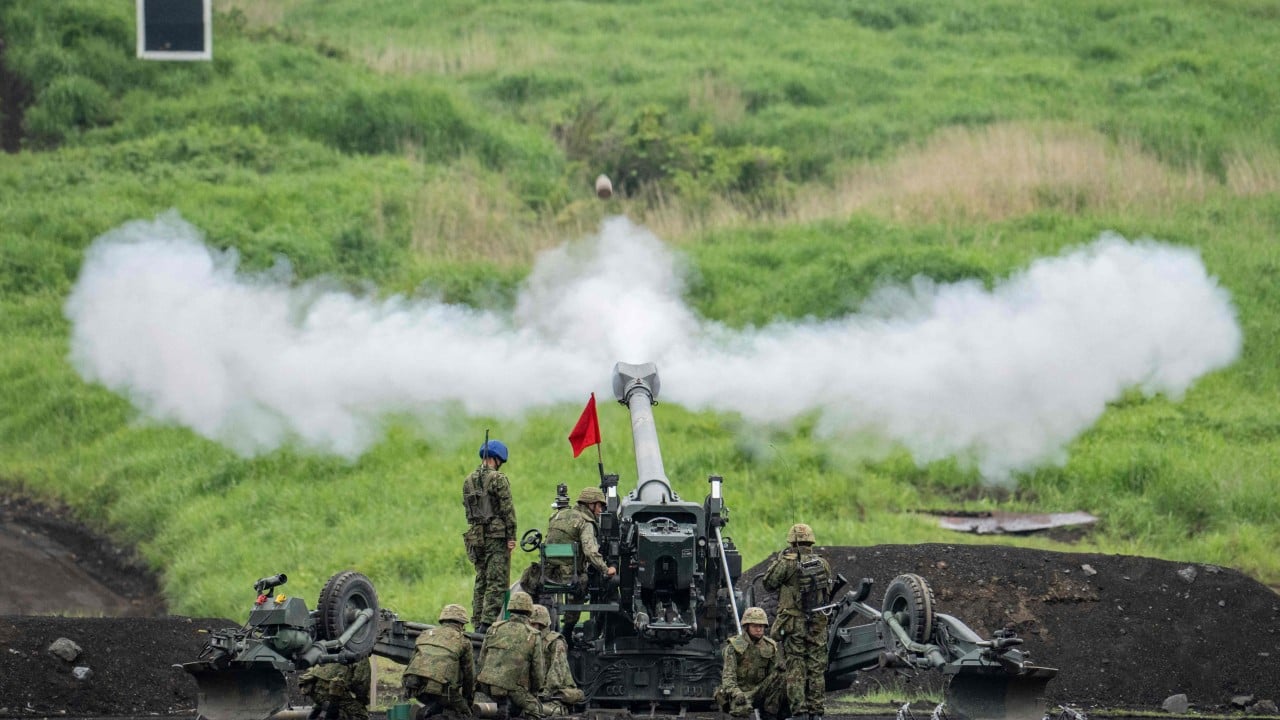
Japan is moving to request an unprecedented 8.9 trillion yen, roughly equivalent to 56 billion US dollars, for its defense budget for fiscal 2027. This massive fiscal injection is designed to fund artificial intelligence command architectures, interceptor drones, and long-range standoff capabilities. For decades, Tokyo maintained a strict self-defense posture under pacifist constitutional constraints. Now, the government is fundamentally rewriting how the nation perceives military readiness.
Observers tracking East Asian security policy often view these spikes through a simple lens of regional deterrence against China, North Korea, and Russia. That narrative misses the structural panic happening inside Japan's own administrative core. The country is not merely reacting to external pressure. It faces a terrifying mathematical certainty regarding its own workforce collapse.
The Demographic Iron Wall
People rarely connect population decline directly to national security strategy. They should. Japan’s workforce is aging and shrinking at a pace unseen in modern industrial history. The Self-Defense Forces consistently fail to meet recruitment quotas. Barracks sit half-empty because there are simply fewer young citizens available to wear the uniform.
When you cannot recruit human soldiers, you must buy machines.
This reality explains why a massive portion of the record budget target focuses on unmanned systems, automated surveillance networks, and artificial intelligence integration. Tokyo is attempting to substitute missing infantrymen with autonomous hardware. The procurement shift represents a desperate structural adaptation rather than an unprovoked offensive expansion.
To understand the scale of this transition, look at the five-year defense buildup program totaling 43 trillion yen. Officials routinely hint that total spending could eventually eclipse initial projections, pushing past 10 trillion yen annually. Money is flowing rapidly into classified cloud infrastructure, high-powered microwave weapons, and laser defense systems. These are not tools for traditional border patrols. They are the expensive prerequisites of automated, high-velocity modern combat.
The Industrial Base Bottleneck
Throwing billions of dollars at defense contractors does not instantly produce advanced hardware. Japan's domestic defense manufacturing sector has spent decades operating on thin, predictable margins. Major industrial names historically treated military contracts as a secondary sideline to commercial manufacturing.
Now, the state expects these same companies to scale up production of sophisticated cruise missiles and electronic warfare suites on an aggressive timeline. Supply chain vulnerabilities threaten to derail these grand ambitions. Rare earth elements, specialized semiconductors, and aerospace components depend heavily on complex international trade routes. If regional tensions genuinely boil over, Tokyo's domestic assembly lines could face severe supply disruptions before new weapon systems ever reach deployment sites.
Furthermore, public pushback remains an underreported variable. While international headlines focus entirely on geopolitical posturing, citizens in Tokyo regularly gather for demonstrations against military spending hikes. Taxpayers worry about the domestic cost. Funding a massive defense expansion requires either climbing national debt or shifting resources away from social security and elder care in a hyper-aged society.
The Regional Arms Dynamics
Neighboring capitals view Tokyo's trajectory with intense suspicion. Beijing frequently accuses Japanese leadership of abandoning post-war pacifism to fuel an arms race. These diplomatic accusations carry weight, but they ignore the cyclical nature of the escalation. As China expands its naval operations into the western Pacific, Japanese planners feel compelled to close the capability gap.
The strategy relies heavily on the Japan-US security alliance, yet Tokyo is clearly trying to build independent strike options. Acquiring long-range missiles alters the strategic calculus of the entire region. It shifts Japan from a defensive shield into a potential offensive counter-striker.
The financial numbers tell only half the story. The true story is a nation racing against time, trying to automate its military survival before demographic decline leaves its borders completely unprotected.
Japan Military Buildup Protests
This video provides a view of the public demonstrations and civic opposition in Tokyo regarding the recent historic defense budget increases.
http://googleusercontent.com/youtube_content/1