Education systems face an unprecedented operational emergency as teaching unions overwhelmingly vote in favor of industrial action over crippling administrative burdens and unsustainable working hours. Classrooms are quietly bleeding talent. Teachers are not walking away simply because compensation fails to match inflation; they are leaving because the daily reality of the profession has metastasized into an impossible bureaucratic machine.
The Anatomy of Administrative Creep
Modern educators spend less time teaching than at any point in modern educational history. The job description has expanded silently over two decades. Today's classroom professional acts as a data entry clerk, a behavioral interventionist, a social worker, and an administrative proxy.
Consider a hypothetical high school English teacher spending an evening grading essays. That task now constitutes only a fraction of the night's labor. The same teacher must input granular student performance metrics into three separate district software portals, document mandatory behavioral accommodations, respond to parental inquiries via digital platforms within a mandated response window, and prepare customized intervention plans for diverse learning needs.
This administrative creep accumulates. Unions point to statistics showing instructors routinely work the equivalent of an extra unpaid day every single week just to stay afloat.
When Recommendations Become Empty Gestures
Governments frequently respond to mounting pressure by commissioning independent reviews and publishing high-profile action plans. These documents routinely feature well-intentioned guidance, time-management toolkits, and phased modernization frameworks.
Yet, the friction remains. Bureaucratic policy documents rely heavily on permissive language. Guidelines suggest that administrators "be mindful" of workloads or "encourage" flexible scheduling, rather than establishing ironclad, enforceable caps on working hours.
Local authorities treat these guidelines as optional suggestions. Individual schools, strapped for cash and struggling with chronic understaffing, absorb the shortfall by shifting the burden directly onto remaining staff. When an entire grade level loses a teacher to burnout, that deficit does not vanish. It gets distributed among the survivors.
The Cost of Institutional Inertia
Decades of operational neglect have created a self-reinforcing feedback loop. High workloads drive experienced educators out of the classroom. The resulting vacancies force districts to rely on unqualified substitutes or emergency certifications, which lowers instructional quality and increases behavioral disruptions.
Remaining teachers inherit larger classes with more complex support requirements, driving stress levels higher still. Strike action becomes the final available mechanism to force institutional accountability. When statutory ballots clear high thresholds with overwhelming majorities, it signals that the professional compact between educators and employers has fractured completely.
Fixing public education requires more than cosmetic adjustments or public relations campaigns promising digital efficiency tools. Meaningful reform demands structural reduction of non-teaching tasks, realistic caps on contact time, and the political courage to fund schools properly so that classrooms function as centers of learning rather than holding pens for societal failure.
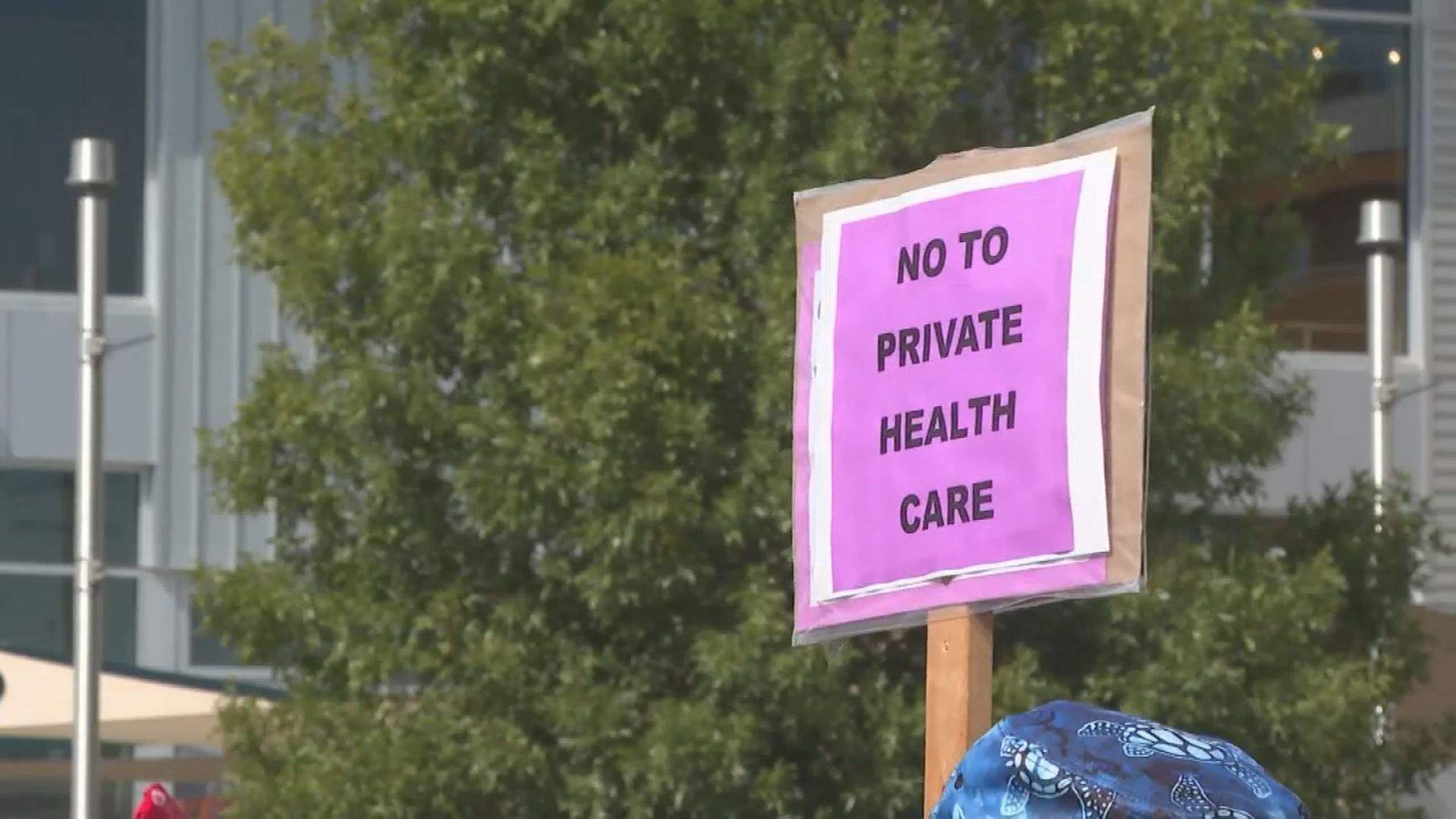
Seattle Public Schools union staff vote to authorize strike
This video provides an overview of recent union strike authorizations reflecting the ongoing nationwide disputes over public education staffing and working conditions.
http://googleusercontent.com/youtube_content/1