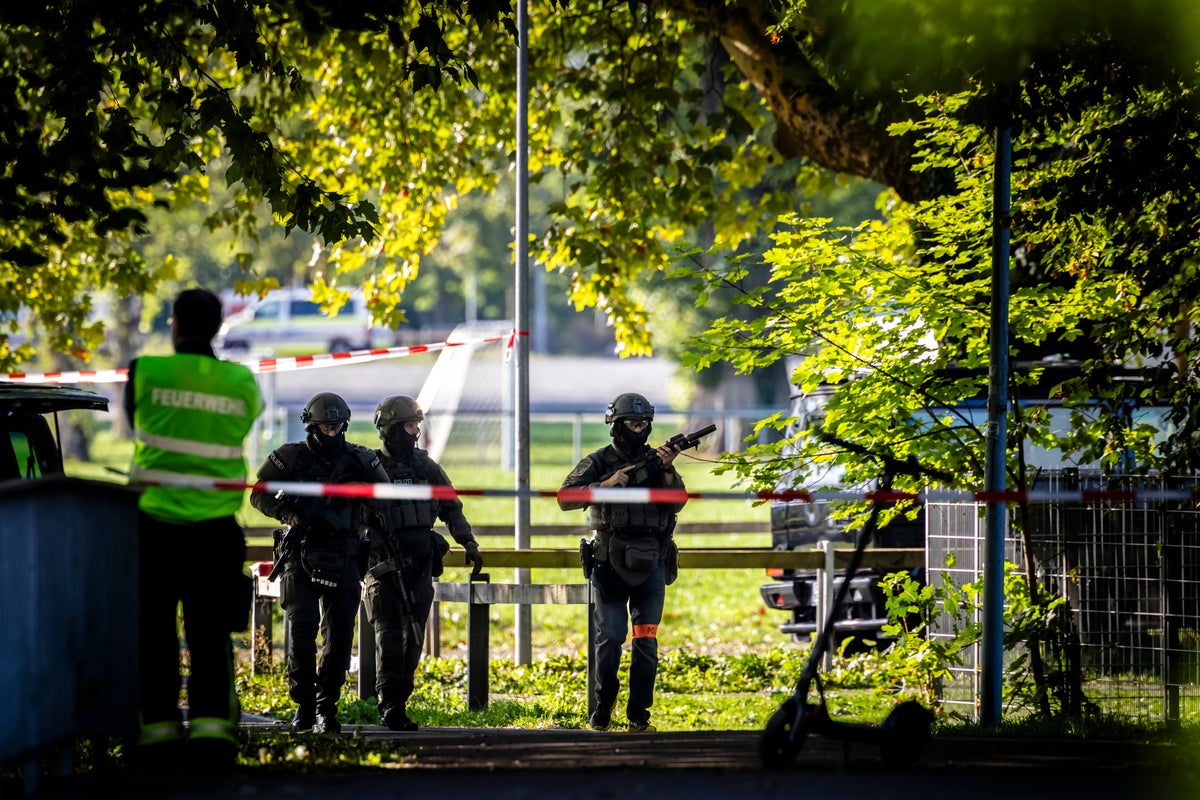
A 22-year-old Italian woman is dead and five other individuals are hospitalized following a targeted shooting at the Aarau Rave VOL. 7 in northern Switzerland. The attack, which unfolded at approximately 2:30 a.m. at the Schachen horse racing track, shattered the illusion of impenetrable safety that often cloaks public gatherings in the Swiss Confederation. Swiss cantonal police moved swiftly, arresting a 43-year-old Swiss man following an intensive near-daylong manhunt, but the psychological fallout across Europe's electronic music community is profound. Mass public violence of this nature remains rare in a nation defined by high civilian firearm ownership yet governed by strict communal norms, leaving security analysts and festival organizers to re-evaluate the vulnerabilities inherent in modern nightlife infrastructure.
The Anatomy of an Alpine Emergency
The incident began as thousands of attendees were winding down the night at the open-air hippodrome venue. Witnesses reported hearing sharp bangs moments after the music stopped, initially dismissing the noise as celebratory fireworks—a tragic cognitive bias common in mass-shooting events globally. Reality set in only when panic swept the crowd, driving attendees to seek cover beneath staging and near the DJ booths. You might also find this connected coverage useful: The Ghost Fleet on the Screen.
Emergency responders faced a chaotic scene. Aargau cantonal police deployed a massive contingent alongside disaster response units and military aviation assets, cordoning off large sectors of Aarau and routing survivors to a designated emergency shelter at a nearby gymnasium. Ballistic evidence recovered from the perimeter indicated that multiple cartridge types were present, complicating initial intelligence assessments and forcing law enforcement to cast a wide net across cantonal and international borders, including coordinated searches with authorities in neighboring Germany.
Cultural Collision in Safe Spaces
Electronic dance music culture relies on an implicit social contract. Safe spaces, radical inclusivity, and communal escapism form the bedrock of the underground rave scene. When violence pierces that boundary, the repercussion is not merely physical; it strikes at the philosophical core of the subculture. As reported in detailed articles by The New York Times, the implications are widespread.
Switzerland occupies a unique sociological paradox regarding firearms. High rates of military service and civilian gun ownership sit alongside exceptionally low rates of random street violence. Unlike jurisdictions with pervasive public security screening, Swiss open-air festivals historically operate with minimal perimeter friction. Bag checks and pat-downs are generally lightweight, designed to intercept narcotics or glass rather than active shooters or ballistic threats.
This tragedy exposes the tension between open-society hospitality and contemporary threat vectors. Organizers across Central Europe now face an uncomfortable calculus. Implementing heavy-handed perimeter security, metal detectors, and armed private guards changes the atmosphere of a counter-culture gathering, institutionalizing the very paranoia attendees seek to escape for a weekend.
The Investigation and Unanswered Questions
As the 43-year-old suspect undergoes interrogation, federal and cantonal investigators are sifting through digital footprints, witness testimonies, and crowd-sourced video footage. Officials have remained measured, avoiding premature declarations regarding a definitive motive while probing whether the attack stemmed from a personal altercation, targeted animosity, or an erratic act of random violence.
The speed of the local police response averted further casualties, yet the incident highlights the limits of rural and semi-urban emergency readiness when confronted with active threats in sprawling outdoor venues. For the Swiss public, the shooting marks a stark reminder that geographical isolation and traditional social cohesion no longer guarantee immunity from broader continental security shifts.
The investigation grinds forward under public scrutiny, leaving a grieving community to bury a young life and question how the sanctuary of the dance floor was so easily breached.