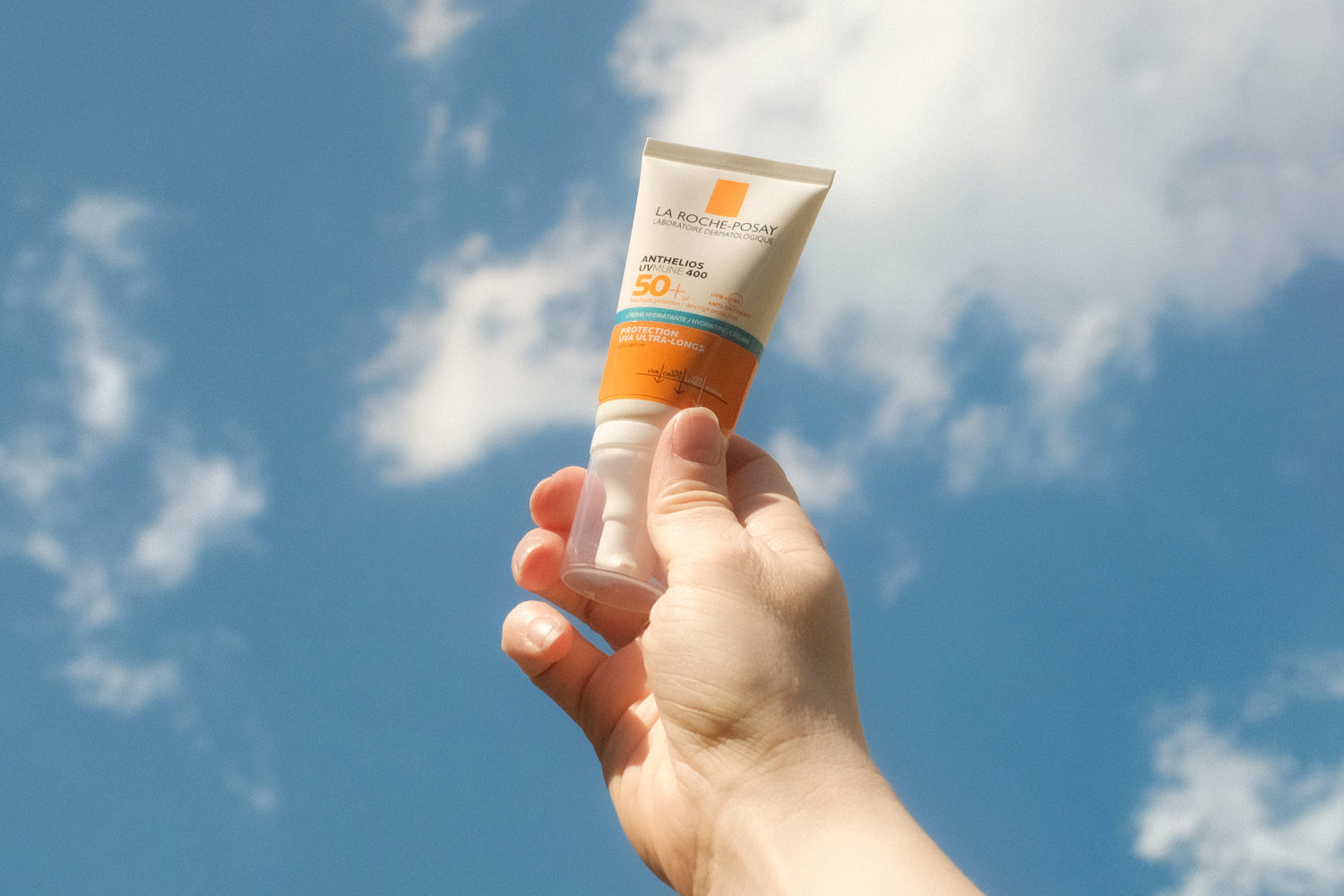
The Food and Drug Administration has finally authorized bemotrizinol, a highly effective ultraviolet light filter, for use in over-the-counter sunscreens. This milestone marks the first time the agency has introduced a new sunscreen ingredient to the domestic market in more than a quarter-century. While health officials celebrate the expansion of the nation's sun care toolkit, the long delay reveals a deeper, more systemic problem. American consumers have been restricted to outdated UV filters for decades, while safer and more advanced formulations have been readily available across Europe, Asia, and Australia since 2000.
The decision allows manufacturers to include bemotrizinol in formulations at concentrations up to 6%. The approval was fast-tracked under an administrative order process established by the CARES Act and aligned with broader executive initiatives to streamline lagging public health approvals. For decades, the administrative bottleneck left Americans choosing between pasty mineral blocks and fragile chemical filters that break down rapidly in direct sunlight.
The Drug Regulatory Trap
The root cause of America's sunscreen stagnation lies in a fundamental legal classification. In the United States, sunscreens are not cosmetics. They are legally classified as over-the-counter drugs.
This distinction changes everything. While the European Union treats UV filters as cosmetics—subjecting them to rigorous safety panels that adapt quickly to chemical innovation—the FDA demands the same exhaustive clinical data required for new pharmaceutical compounds. To gain entry to the American market, a new UV filter must undergo massive human trials, multi-generational animal reproduction studies, and comprehensive systemic absorption testing.
The cost of this testing is astronomical. It often takes decades to complete. Industrial chemical giant DSM-Firmenich initially applied for U.S. approval of bemotrizinol in 2005. The ingredient has spent more than twenty years in regulatory limbo, despite maintaining a flawless safety record across global markets since its launch in the late 1990s.
Small cosmetics brands cannot afford to finance twenty-year regulatory campaigns. As a result, innovation is choked out, leaving the domestic market dependent on a small, grandfathered list of active ingredients that have skipped modern safety screening altogether.
The Chemistry of Stagnation
The existing American chemical sunscreen market relies heavily on a deeply flawed ingredient called avobenzone to block ultraviolet A rays. UVA radiation penetrates deeply into the dermis, causing long-term DNA damage, premature aging, and melanoma.
Avobenzone is notoriously fragile. When exposed to sunlight, it degrades rapidly, losing its ability to absorb radiation within one to two hours. To fix this, manufacturers must pack formulations with chemical stabilizers like oxybenzone or octinoxate.
This compounding strategy introduces serious consumer trade-offs. Oxybenzone and octinoxate absorb readily through human skin into the bloodstream. Federal testing has detected these chemicals in human blood, breast milk, and urine at levels significantly exceeding thresholds of systemic exposure. While no definitive link to human disease has been proven, mounting laboratory data connects these older chemicals to potential endocrine disruption and allergic contact dermatitis.
+----------------+--------------------------+------------------------+
| UV Filter      | Photostability           | Systemic Absorption    |
+----------------+--------------------------+------------------------+
| Avobenzone     | Low (Degrades quickly)   | Moderate to High       |
| Oxybenzone     | Moderate                 | High                   |
| Bemotrizinol   | High (Extremely stable)  | Negligible (Large size)|
+----------------+--------------------------+------------------------+
Bemotrizinol fundamentally alters this equation. It is an oil-soluble, broad-spectrum organic compound that absorbs both UVA and UVB rays with remarkable efficiency. More importantly, it is highly photostable. It does not break down under intense sunlight, and it actively shields other ingredients from degradation, removing the need for controversial chemical stabilizers.
The Molecular Shield
The primary safety advantage of bemotrizinol is its physical structure. Its molecules are exceptionally large.
"Data submitted to the FDA demonstrates that bemotrizinol remains almost entirely on the surface of the skin, with negligible absorption into the deep dermal layers or the bloodstream."
Because the human body does not absorb the compound systemically, the risk of internal side effects or hormone disruption is virtually eliminated. In a two-year study evaluating the topical application of bemotrizinol, researchers found no evidence of abnormal skin growth, systemic toxicity, or reproductive harm.
This molecular size also resolves an ongoing aesthetic dilemma. For years, dermatologists have urged patients with sensitive skin to use mineral sunscreens containing zinc oxide or titanium dioxide, which sit safely on top of the skin. However, these minerals leave a thick, chalky white residue, particularly on darker skin tones. This unappealing texture leads many consumers to skip sun protection entirely. Bemotrizinol provides the safety profile of a physical mineral block with the clear, lightweight application of a traditional chemical lotion.
The Long Road to Retail Shelves
While the policy change is official, consumers will not find bemotrizinol on store shelves tomorrow. The regulatory logjam has broken, but the commercial pipeline is just beginning to fill.
Domestic manufacturers must completely redesign their product lines. Formulators cannot simply drop a new chemical into an old recipe; they must run comprehensive stability testing, ensure compatibility with existing ingredients, validate sun protection factors, and overhaul manufacturing facilities to meet current Good Manufacturing Practices.
Industry analysts expect the first wave of American sunscreens featuring bemotrizinol to debut late in the current year or early next season. Forward-thinking brands that quietly initiated research and development when the FDA first signaled its intent are poised to capture a massive first-mover advantage.
The approval of bemotrizinol is a major public health victory, but it does not fix the underlying pipeline. Dozens of highly effective, next-generation UV filters remain banned in the United States, trapped behind an antiquated regulatory framework that treats protective skincare products like prescription drugs. Until the underlying evaluation process is structurally modernized, American skin cancer prevention will continue to lag behind the rest of the developed world.