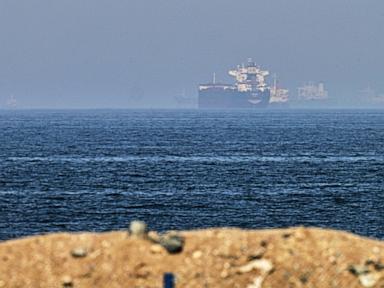
Oil prices dropped sharply following statements from Washington indicating a halt to planned military strikes against Iran, but energy markets are misinterpreting a temporary diplomatic pause for structural recovery. When Brent crude slid roughly five percent in immediate response to the news, traders breathed a collective sigh of relief, assuming the worst of the Middle East energy crunch had passed. That assumption ignores the operational reality of the Persian Gulf. A temporary suspension of bombing runs does not automatically reopen choked shipping lanes or fix broken supply chains.
Decades of watching commodity markets react to political theater taught me one immutable truth. Markets trade on headlines long before they price in logistics.
The Anatomy of a False Rally
The core mechanism driving recent volatility is not just the presence of military conflict, but the physical bottleneck at the Strait of Hormuz. Roughly a fifth of global petroleum passed through this narrow maritime corridor before hostilities erupted. When naval clashes and aerial bombardments effectively shut down transit, tankers were forced to anchor or seek alternative routes.
A halt to airstrikes provides immediate psychological relief to traders sitting on paper contracts, yet physical tankers cannot teleport back into active service overnight. Crew availability, insurance rate adjustments, and port clearances create structural delays that linger long after politicians stop talking.
Consider a hypothetical example to illustrate this friction. If a major cargo airport closes for a week due to severe weather, reopening the airspace does not mean cargo arrives at destination warehouses the next second. Planes are out of position. Crews have timed out of their legal flying hours. Ground equipment requires safety checks.
Energy shipping operates under the same physical constraints. Stopping the shooting is step zero. Clearing the maritime choke point is step one. Actual barrel delivery is step ten.
Political Pressures Meet Economic Realities
The timing of these shifting postures from the White House is tied directly to domestic political calculations. High energy costs translate directly into elevated retail fuel prices at gas stations across the United States. When filling up a standard sedan climbs past four dollars a gallon, consumer sentiment sours rapidly.
Inflation metrics react to energy spikes with cruel efficiency. Central bankers watch these energy shocks carefully when determining monetary policy. A sustained surge in crude feeds into everything from jet fuel to agricultural fertilizer distribution, driving up the cost of basic consumer goods.
Politicians facing upcoming electoral cycles feel this pain acutely. Every incremental dollar added to a barrel of oil acts as a tax on the voting public. Halting military escalations becomes an attractive option when the economic fallout threatens to upend congressional majorities.
Yet, treating a geopolitical standoff like a light switch ignores the actors operating outside official state channels.
The Regional Spillover Effect
While attention focuses squarely on direct engagements between Washington and Tehran, secondary flashpoints continue to disrupt alternative export routes. Proxy groups and regional militias maintain the capacity to target energy infrastructure elsewhere on the Arabian Peninsula.
When tanker traffic through the primary Gulf corridor faces threats, exporting nations attempt to pivot shipments toward Red Sea terminals. When those alternative export hubs face aerial drone attacks or sabotage threats, the entire risk premium recalculates upward.
Financial institutions tracking these developments note that commercial marine insurers remain highly reluctant to underwrite voyages through contested waters without charging exorbitant risk premiums. Even if naval warships stand down, private capital demands financial security. Without affordable insurance coverage, shipowners keep their vessels safely in port regardless of what politicians announce at podiums.
What the Market Is Missing
Traders betting on a straight-line recovery in oil supplies are ignoring historical precedent. Conflicts involving critical maritime choke points rarely resolve neatly through single diplomatic interventions. The underlying security architecture of the Persian Gulf has shifted into a permanent state of heightened alert.
Energy companies that reaped massive windfalls during the spring price spikes are already adjusting their capital expenditure models around this new baseline of volatility. They are not scaling back operations based on a weekend announcement. They are hedging against the distinct possibility that hostilities could resume at a moment's notice.
The drop in crude prices represents a fragile ceasefire between speculative hope and hard operational friction. Until physical volumes of crude clear the gulf in sustained, pre-conflict quantities, any market dip is merely an invitation for the next wave of volatility.