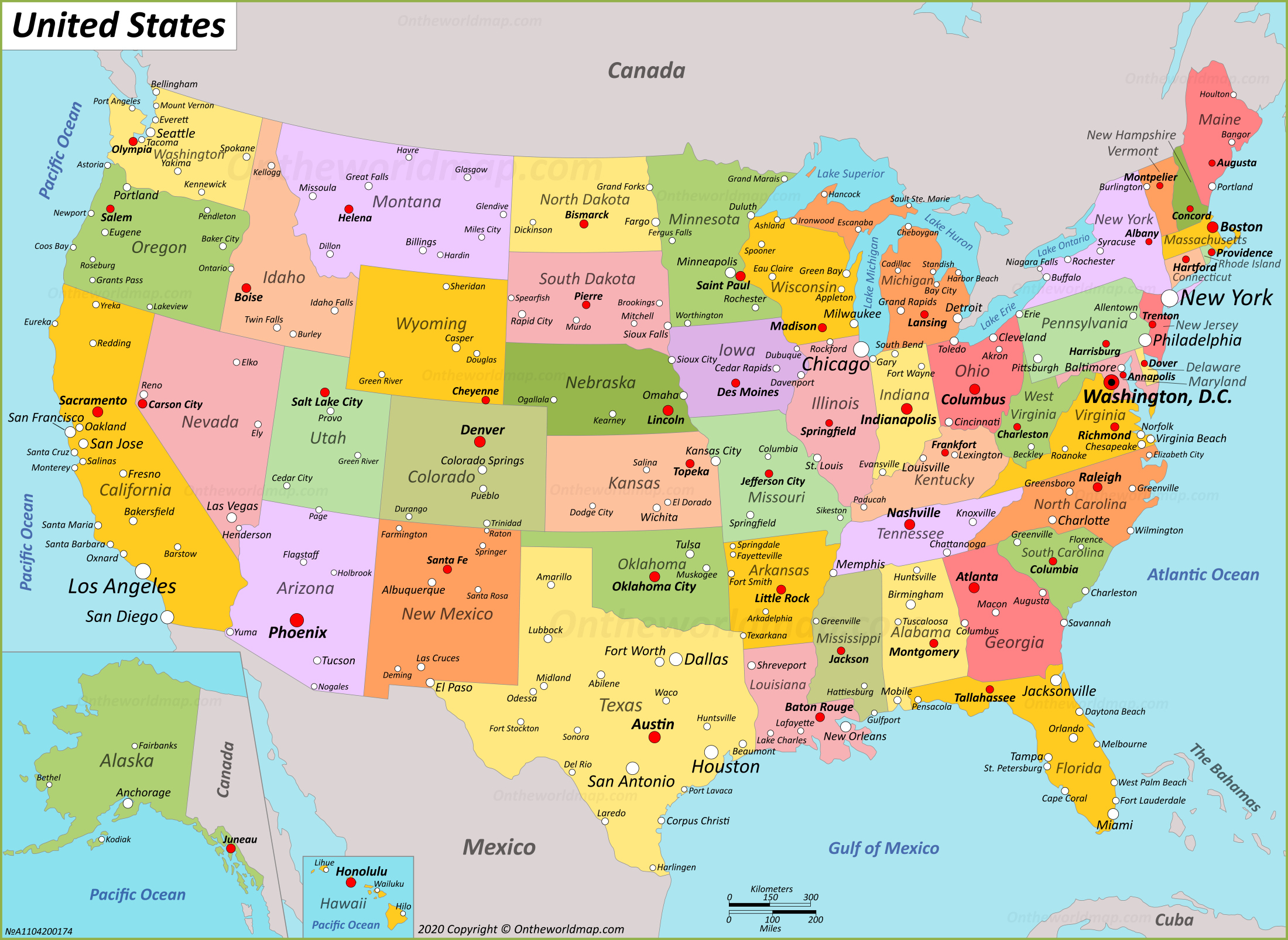
FedEx is cutting over 100 jobs across Southern California through facility closures in Palm Springs and Victorville, reflecting a massive structural overhaul known as Network 2.0. State filings show 62 positions vanish in Palm Springs and another 54 disappear in Victorville, pointing directly to a larger supply chain consolidation strategy rather than a localized downturn.
For decades, the logistics sector operated on redundancy. Companies maintained separate networks for air freight, ground delivery, and freight forwarding. This separation created duplicate infrastructure, bloated overhead costs, and overlapping delivery routes down the exact same residential streets. Corporations watched operational expenses scale upward alongside package volumes.
Then came the mandate for unification.
The Mechanics of Network 2.0
Network 2.0 is an aggressive, multi-year corporate consolidation blueprint designed to merge separate operating units into a single cohesive entity. Historically, FedEx Express and FedEx Ground functioned as distinct internal businesses. They utilized separate sorting hubs, separate management teams, and separate fleets.
Operating two separate delivery vans down the same suburban road on the same morning is an expensive redundancy. Streamlining this operation means transitioning to a unified dispatch model. Facilities that once handled only regional ground sorting or regional air distribution are becoming redundant.
The closures in the Inland Empire and the Palm Springs region are casualties of this exact mathematical purge. When a central corporation decides to extract billions in projected structural savings by the end of 2027, smaller regional stations bear the immediate burden.
Beyond the Headline Numbers
While the public notice lists 116 total job losses between Riverside and San Bernardino counties, the true footprint of these labor reductions stretches much further. Regional warehouse networks rely heavily on third-party logistics providers, temporary staffing agencies, and local independent contractors.
When a primary sort facility closes its doors permanently, the contraction ripples outward. Local fuel vendors, maintenance contractors, and independent owner-operators face sudden volume drops.
Consider a hypothetical independent delivery contractor operating out of the Victorville region. Their business model depends entirely on daily package volume allocated by the primary hub. When that facility shuts down and operations shift to a distant mega-hub, the contractor faces an impossible choice. They must absorb massive transit fuel overhead to service the route from afar, or surrender the contract entirely.
The Broader Industry Pressure
FedEx is not alone in this brutal pruning cycle. Competitors across the shipping sector face identical margin pressures. Labor costs have climbed. Consumer spending habits have normalized away from the historic e-commerce peaks recorded during earlier years. Shippers are forced to choose between bloated operational structures and ruthless efficiency.
Efficiency, in the language of corporate logistics, translates directly to footprint reduction and automation. Modern distribution centers require fewer manual sorters as optical scanning and automated conveyance systems take over package routing.
Workers caught in these transitions face an unforgiving labor market. While state agencies offer rapid response transition services and career counseling centers, the specialized skill sets tied to regional sorting facilities do not always translate easily into other high-demand local sectors.
The structural transformation is rolling forward regardless of the human cost. Multi-billion dollar savings targets dictate corporate strategy, and regional hubs in Southern California are simply lines on a spreadsheet waiting to be erased.