A worker dies inside a high-security Siberian biological research facility. The official diagnosis remains officially unverified, the containment protocols are hidden behind layers of state secrecy, and the international scientific community is left guessing about the nature of the pathogen. When a fatality occurs inside a level-four equivalent pathogen laboratory, silence is never just a protocol. It is an indicator.
The incident at the State Research Center of Virology and Biotechnology, known globally as VECTOR, in the Novosibirsk region, highlights a persistent vulnerability in high-containment biological architecture. For decades, facilities handling some of the most dangerous infectious agents on Earth have operated under the assumption that physical barriers and institutional discipline are absolute. They are not. Human error, structural degradation, and institutional opacity combine to create an environment where catastrophic containment breaches remain a constant, low-grade probability. You might also find this connected coverage interesting: The Quiet Diplomacy That Could End a War.
The Anatomy of Bio Containment Failures
To understand why a facility like VECTOR commands intense scrutiny following a fatality, one must examine the mechanics of biosafety level-four laboratories. These installations manage agents with high individual and community risk, pathogens for which there are typically no available treatments or vaccines.
Air pressure differentials, multi-stage HEPA filtration units, positive-pressure suits, and chemical shower locks form the physical bulwark. Yet, every mechanical system relies on human operators. A microscopic tear in a glove port, a momentary lapse in aerosol management during centrifugation, or a delayed response to equipment malfunction can introduce a pathogen into the human respiratory tract or bloodstream within seconds. As extensively documented in detailed articles by Associated Press, the results are widespread.
History shows that containment breaches rarely announce themselves with dramatic explosions or alarms blaring across international borders. They begin quietly. A technician develops an atypical fever after a shift. A medical log is updated with a vague entry. A local health authority issues a restricted memo that fails to reach international databases.
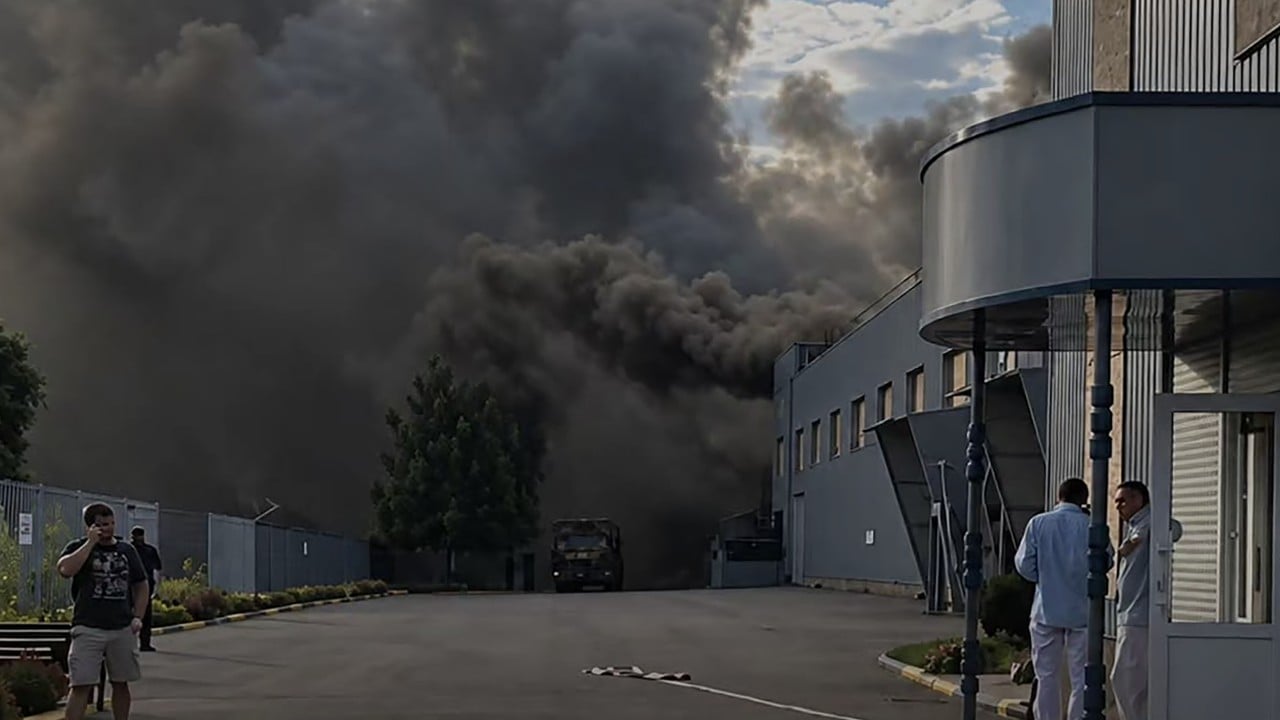
The VECTOR institute has navigated such moments before. In 2019, an explosion and subsequent fire in a sanitary inspection room injured a worker with severe burns. While officials insisted at the time that no hazardous biological materials were present in the immediate blast zone, the incident exposed the vulnerability of aging Soviet-era infrastructure to structural accidents. When a facility houses historical samples of eradicated diseases alongside modern viral vectors, an accident in one wing compromises the safety profile of the entire compound.
The Danger of Operational Opacity
Transparency is a biological necessity in global health security. When a government restricts information regarding a pathogen exposure or worker fatality inside a maximum-security laboratory, it prevents epidemiologists worldwide from modeling potential transmission risks.
Pathogens do not respect geopolitical boundaries or classification levels. A novel strain or an unexpected resistance profile emerging from an accidental laboratory acquisition spreads through standard human mobility networks just as easily as natural zoonotic spillover. By burying incident reports under administrative secrecy, institutions trade short-term political containment for long-term global vulnerability.
Consider the protocols governing exposure tracking. In transparent regulatory frameworks, any unexplained illness among containment personnel triggers immediate genetic sequencing, contact tracing, and international notification. When an institution instead attributes a worker's death to an unknown cause while maintaining strict control over tissue samples and environmental swabs, the scientific community loses its ability to prevent secondary transmission chains.
The Structural Realities of Aging Facilities
Many of the world's most sensitive biological research centers were constructed during the Cold War. Their physical plants reflect the engineering standards and material limitations of decades past. Concrete degrades, seals harden, and ventilation ductwork accumulates microscopic corrosion.
Upgrading these legacy facilities to modern computational and mechanical standards requires astronomical financial commitments and prolonged shutdowns—two things state-backed security laboratories rarely prioritize during periods of geopolitical competition. Instead, facilities patch legacy systems, relying on redundant procedural rules rather than state-of-the-art physical overhauls.
When a worker falls ill under ambiguous circumstances within these walls, the immediate institutional reflex is asset protection rather than public health disclosure. This defensive posture creates a dangerous information vacuum. Analysts are forced to rely on fragmented local reports, satellite imagery changes, and anonymous whistleblowers to assess whether a localized accident represents a wider biological threat.
The reality of high-consequence pathogen research is that absolute security is a myth. Accidents happen. Containment fails. The metric of a responsible scientific institution is not whether it achieves zero incidents, but how rapidly, transparently, and rigorously it analyzes and communicates those incidents when they occur. Until high-security laboratories subject themselves to genuine international oversight and unvarnished transparency, every unexplained death behind closed doors remains an unexploded ordnance in the global health landscape.