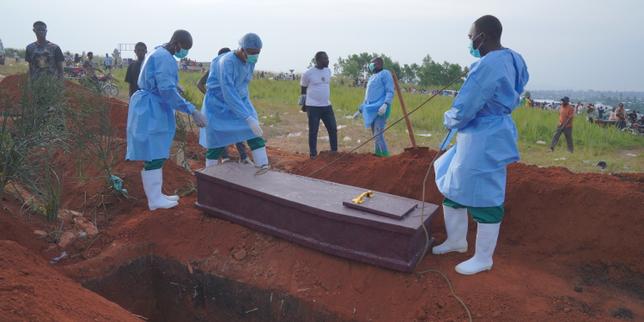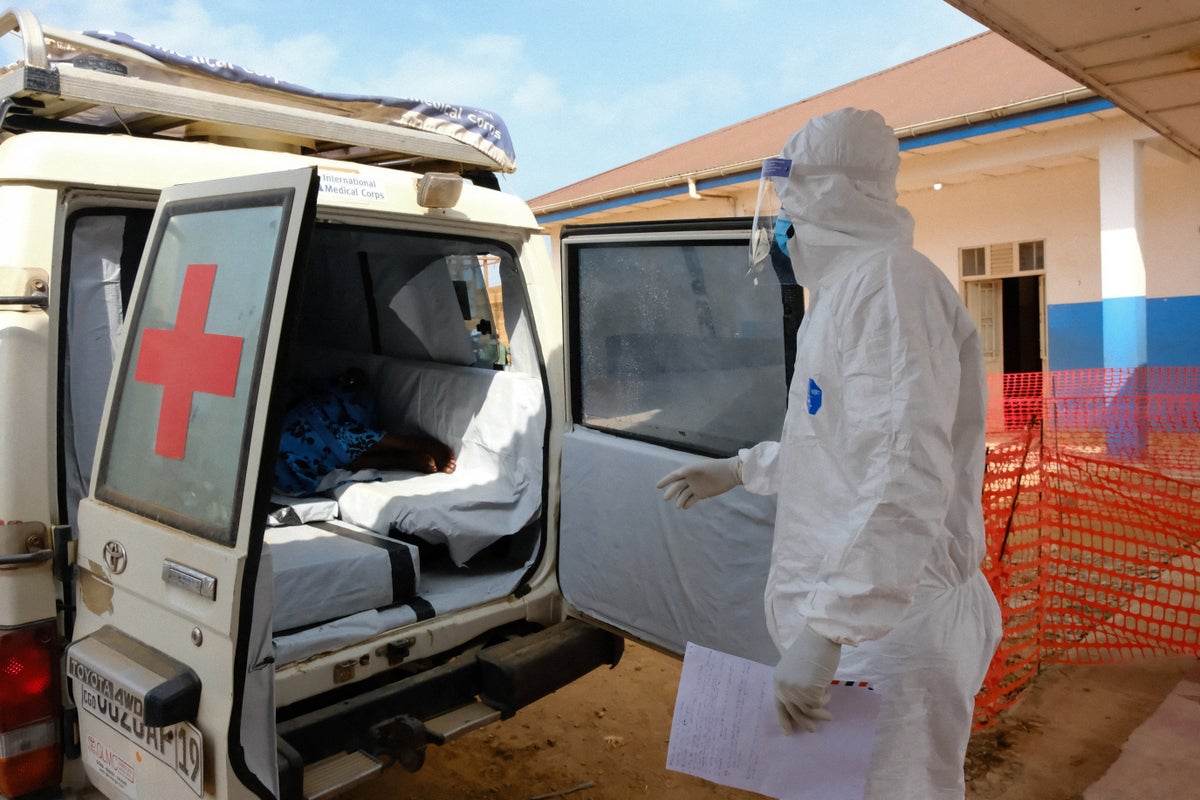
Fear of virus transmission is driving thousands of pregnant women away from healthcare facilities in the Democratic Republic of Congo, threatening a massive surge in maternal deaths that could soon eclipse the toll of the virus itself. One month after health authorities officially declared the latest outbreak, the public health apparatus is facing a stark mathematical reality. While the virus has claimed 181 lives out of 782 confirmed cases across three provinces, the systemic collapse of routine obstetric care threatens a vastly larger population of expectant mothers who are choosing the relative isolation of a home birth over the perceived risk of a hospital ward.
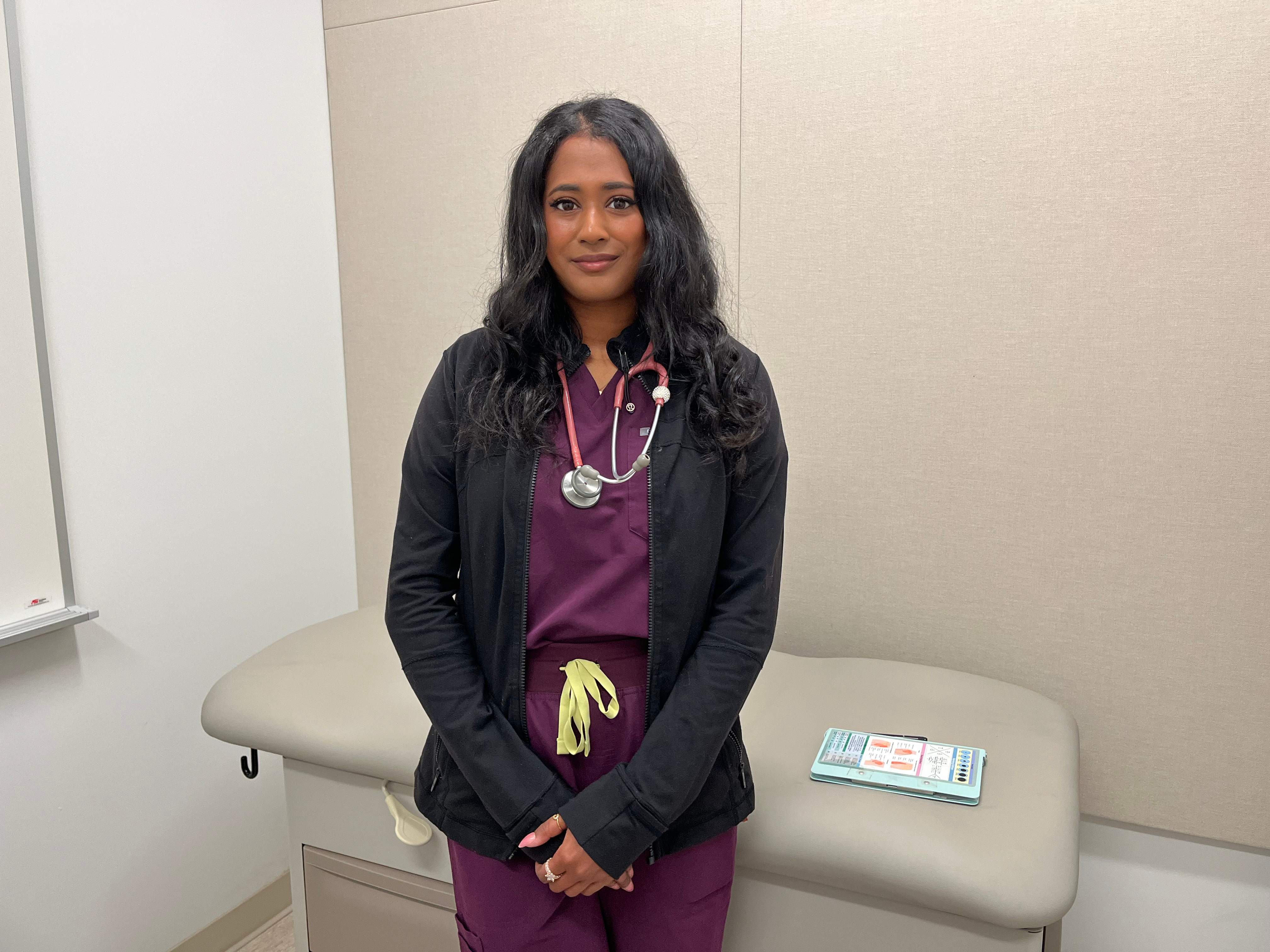
At the Bénédicte Clinic in Bunia, a major urban hub in Ituri Province, the drop-off was instantaneous. Monthly prenatal consultations plunged from an average of 60 down to just 10 within weeks of the declaration. Women are not avoiding the clinic because they are sick with Ebola; they are avoiding it because they are terrified of the institutional response to Ebola. Meanwhile, you can explore other stories here: Why Christopher Reeve Was Right About Real Strength.
The Cost of Precaution
The primary mechanism driving this exodus is the frontline screening protocol designed to catch the virus at the hospital gates. Under current guidelines, any individual presenting at a healthcare facility with a body temperature of 38 degrees Celsius or higher is automatically placed under immediate isolation and observation as a suspected case. While epidemiologically sound, this blanket threshold fails to account for the baseline clinical realities of late-stage pregnancy.
Labor is physically exhausting, frequently accompanied by an elevated metabolic rate, and obstetric complications like chorioamnionitis—an infection of the fetal membranes—routinely produce high fevers. Under the current regime, a laboring woman with a non-Ebola infection faces the immediate prospect of being routed into an isolation unit alongside truly infectious patients while she awaits lab clearance. To explore the complete picture, check out the recent analysis by Medical News Today.
For many, this risk calculation makes the hospital look like a trap rather than a sanctuary. Expectant mothers are opting to stay home, sacrificing access to emergency surgeries and clean delivery environments to avoid the dragnet of containment protocols.
This avoidance strategy carries an extraordinarily high price. When obstetric emergencies occur far from clinical intervention, the outcomes are predictably bleak.
- Postpartum hemorrhage: The leading cause of maternal mortality globally, which can kill a healthy woman within hours if uterotonic drugs or blood products are unavailable.
- Obstructed labor: A mechanical failure that cannot be resolved at home and frequently results in uterine rupture or neonatal asphyxia.
- Severe preeclampsia: A hypertensive crisis requiring intravenous magnesium sulfate to prevent fatal maternal seizures.
A Legacy of Institutional Rupture
The current crisis in the eastern Congo is not an isolated phenomenon, but the continuation of a historical pattern observed across previous major outbreaks in sub-Saharan Africa. During the 2014 to 2016 outbreak in West Africa, international attention focused heavily on specialized containment units while the primary healthcare fabric quietly unraveled. In Sierra Leone, which entered that crisis with one of the highest baseline maternal mortality ratios in the world, the diversion of resources and the flight of clinical staff caused a near-total collapse of routine reproductive services.
The institutional response often exacerbates the panic. Because Ebola is transmitted through direct contact with infected bodily fluids, the act of delivering a child becomes an exceptionally high-risk procedure for medical personnel. A delivery room is inherently an environment of high fluid exposure. Without a steady, guaranteed supply of specialized personal protective equipment tailored for obstetric procedures, midwives and nurses are forced to make a terrible choice between professional duty and self-preservation. When healthcare workers refuse to touch laboring women out of fear, or when hospitals lack the basic plastic drapes and heavy-duty gloves required to manage a high-fluid delivery safely, the word spreads through local communities instantly. Trust vanishes overnight.
Furthermore, the specific strain driving the current outbreak compounding these anxieties is the Bundibugyo variant. Unlike the more common Zaire strain that animated the massive 2018–2020 response in North Kivu, the Bundibugyo strain currently lacks a widely licensed vaccine or specific targeted therapeutic. This leaves containment teams with fewer tools to reassure a skeptical public, making the physical segregation of suspected cases the only reliable line of defense—and further incentivizing pregnant women to stay hidden.
Rebuilding the Insulated Ward
Addressing this secondary crisis requires a deliberate shift away from monolithic containment strategies toward a dual-track medical architecture. Public health interventions cannot treat the maternity ward as an afterthought to the isolation tent.
The most effective historical countermeasure, pioneered by non-governmental groups during the tail end of the West African crisis, involves the creation of physically insulated obstetric triage units. These are dedicated maternity structures built entirely separate from standard emergency intakes, staffed by midwives trained in aggressive infection prevention but equipped to perform basic emergency obstetric care on-site. By ensuring that a laboring woman with a fever is evaluated within a secure, maternity-specific environment rather than a general viral isolation unit, the institutional fear factor can be significantly mitigated.
Community outreach must also shift from generalized public health messaging to targeted alignment with local midwife networks and women's groups. Reassuring an expectant mother that a specific clinic is clean requires more than a radio broadcast; it requires visible, structural guarantees that she will not be mixed into a general infectious population simply for running a fever during labor. Without these structural adjustments, the formal health system will continue to push women toward the dangerous margins of unassisted home births, turning a preventable outbreak into a far wider tragedy of maternal mortality.