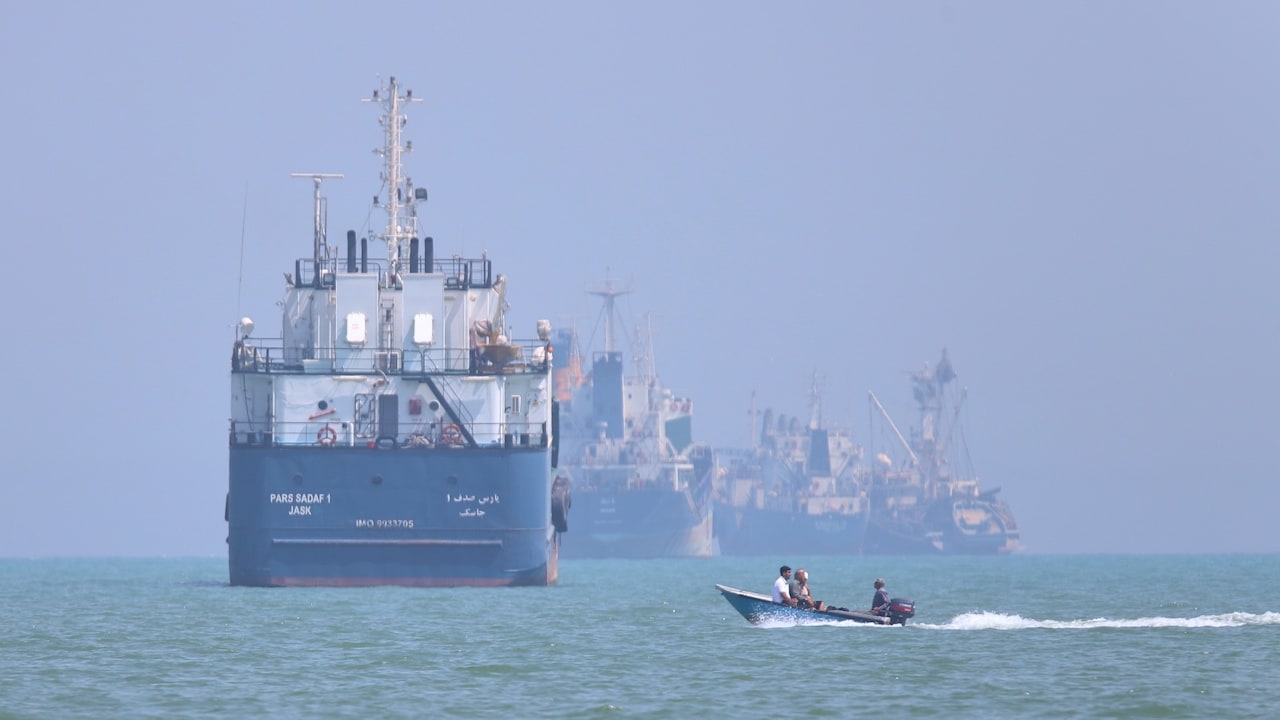
Seoul is quietly accelerating preparations to dispatch military assets to the Strait of Hormuz before the year concludes, navigating a high-stakes diplomatic tightrope between Washington's heavy demands and acute domestic political risks. Government and military sources indicate that the administration is hammering out procedures to seek parliamentary approval for the deployment, aiming to submit a formal consent motion following cabinet review. This is not merely a routine peacekeeping mission. It is a calculated move driven by shifting alliance pressures, energy security vulnerabilities, and the persistent shadow of American demands for burden-sharing in Middle Eastern waterways.
The official narrative from the presidential Blue House remains guarded, emphasizing that practical options for contributing to freedom of navigation are under internal discussion while noting that finalized deployment reports are premature. Yet, behind closed doors, defense planners are weighing specific asset configurations. The potential contributions span maritime patrol aircraft, logistics support vessels, or specialized mine detection and clearance units. This operational calculus involves balancing the expectations of allied partners like the United States, Britain, and France against the stark reality of stretching a military posture structurally built to deter North Korea.
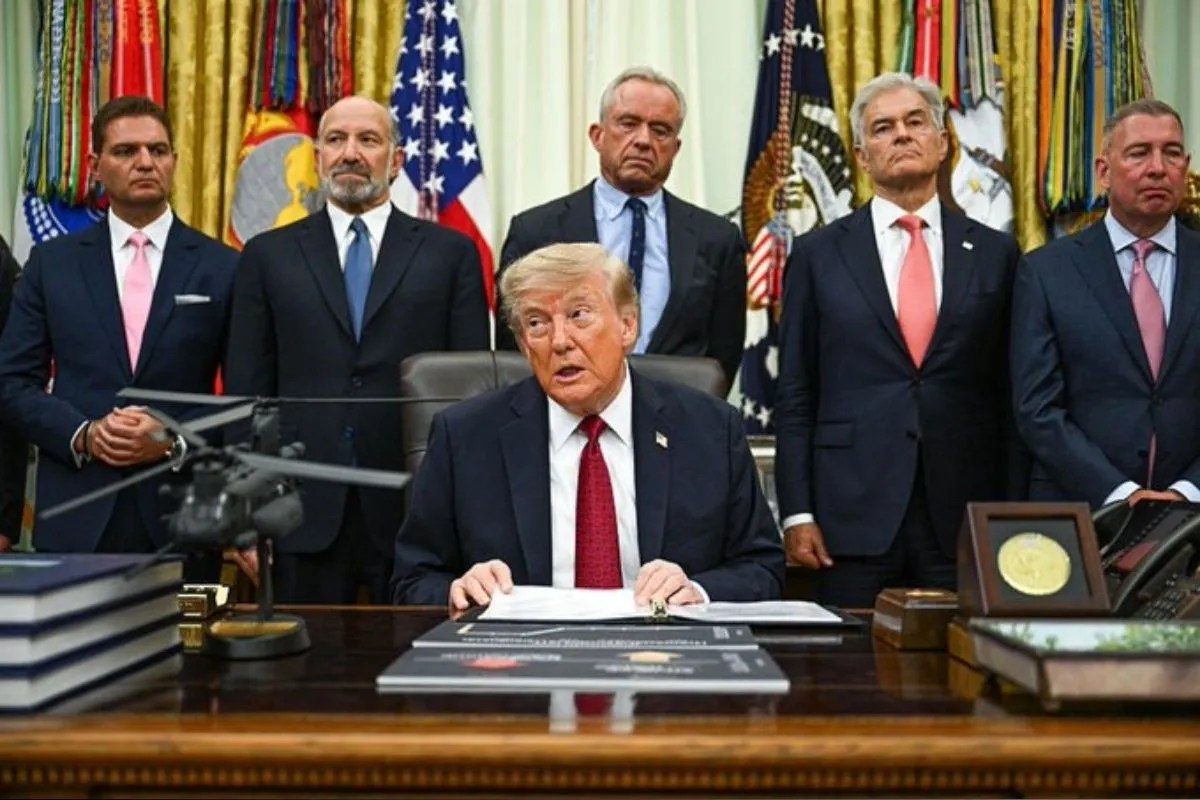
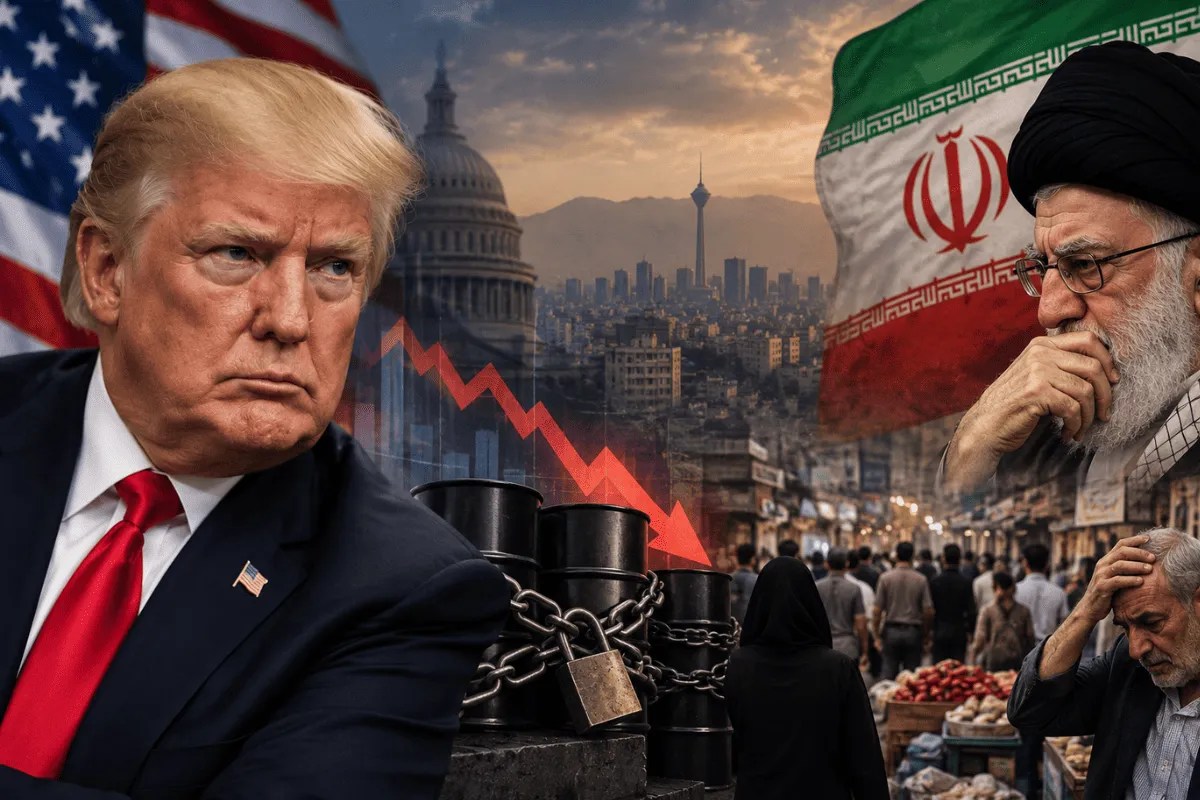
Alliance friction forms the bedrock of this sudden momentum. Recent statements from Washington underscore American frustration over perceived gaps in allied participation during Middle Eastern escalations, with explicit complaints regarding allied reluctance to support broader security initiatives. For an export-dependent economy like South Korea, which relies heavily on Middle Eastern crude passing directly through the narrow waters of Hormuz, ignoring maritime security demands carries severe economic hazards. At the same time, entering a volatile theater exposes Seoul to entanglements it has historically gone to great lengths to avoid.
Deploying forces into a contested zone requires navigating fierce domestic opposition. Lawmakers from opposing parties have already signaled resistance, arguing that placing South Korean service members near active military flare-ups risks dragging the nation into foreign conflicts without a direct mandate for citizen protection. Critics point out that the foundational tenets of the South Korea-United States alliance do not mandate automatic military participation in every overseas campaign waged by Washington. Consequently, the executive branch must tread carefully to secure the necessary legislative consent without fracturing its own political base.
The structural limitations of South Korea's naval assets further complicate these blueprints. While the military previously relied on the anti-piracy Cheonghae Unit—traditionally centered around a destroyer operating near the Gulf of Aden—experts emphasize that counter-piracy operations differ vastly from the high-threat environment of the Strait of Hormuz. A conventional destroyer operating in Hormuz faces complex hazards, including advanced anti-ship missiles, coastal defense batteries, asymmetric drone attacks, and subsurface minefields. Adapting standard naval escorts to withstand these sophisticated threats demands rigorous preparations and specialized defensive upgrades that go far beyond routine patrol configurations.
Logistics present another formidable barrier. Transiting naval assets thousands of miles from domestic bases strains maintenance cycles and fleet availability. With a significant portion of the naval fleet dedicated to maintaining defensive readiness on the Korean Peninsula, dispatching high-value surface combatants or support ships to distant waters forces difficult trade-offs in regional deterrence. This reality explains why defense planners are actively evaluating non-combat or specialized support units—such as logistics or mine clearance detachments—as a way to satisfy allied expectations while minimizing exposure to direct combat engagement.
As the target window for parliamentary submission approaches, the debate in Seoul cuts to the core of the nation's modern security identity. Balancing sovereign defense obligations against the practical tolls of alliance management requires a delicate calibration of diplomatic messaging and hard military capability. The outcome of this upcoming legislative battle will define how far Seoul is willing to extend its strategic footprint beyond East Asia.